











Related News

15
2026
-
10
UV Coating Line for Precision Wood Finishing and High-Efficiency Production
Author:
Chuangzhi Coating
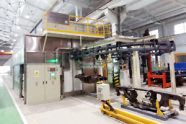
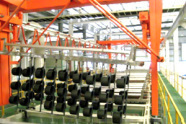
UV coating line technology provides an efficient solution for manufacturers seeking consistent surface quality, faster curing, and improved productivity. In wood furniture and musical instrument production, including guitars and pianos, the coating process must deliver an attractive appearance while maintaining reliable surface performance. An integrated painting line with UV curing equipment helps manufacturers manage multiple finishing stages in a more controlled and organized workflow.

Why Choose a UV Coating Line for Wood Products?
Wood products often require several coating operations to achieve the desired color, gloss, smoothness, and durability. Manual spraying and separate curing processes can lead to uneven finishes, inconsistent production cycles, and higher labor requirements. A dedicated UV coating line integrates spraying, intermediate treatment, curing, inspection, and material handling into a coordinated production system.
For manufacturers producing musical instruments, furniture panels, tables, chairs, and other wooden components, this approach helps improve process consistency. The equipment can be configured according to workpiece dimensions, coating specifications, production volume, and available factory space.
Key Features of an Integrated Painting System
Precision Spraying and Uniform Finishes
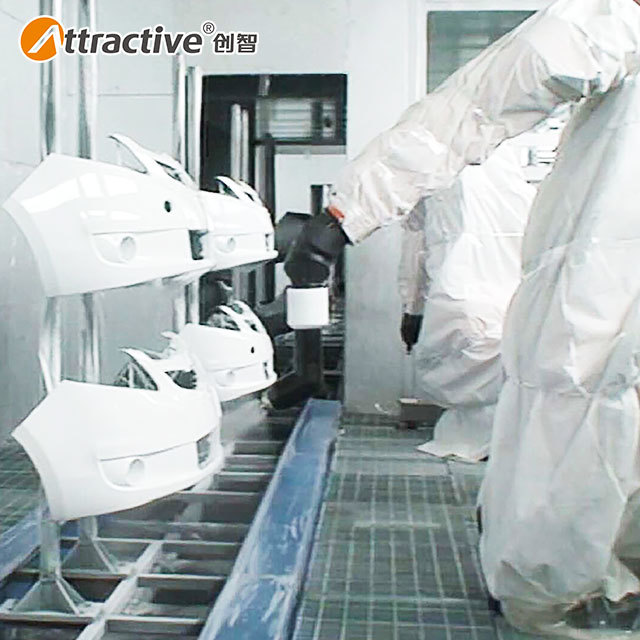
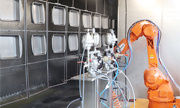
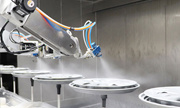
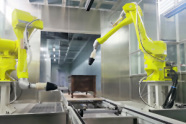
Consistent coating application is essential for products with demanding decorative requirements. A UV coating line can combine manual or robotic spraying, depending on the complexity of the workpiece and the required production capacity. Proper spray parameters and controlled booth conditions help reduce uneven coverage, excessive paint consumption, and surface defects.
Rapid UV Curing
UV curing uses ultraviolet radiation to cure compatible coatings within a short processing period. Compared with conventional curing methods, it can shorten production cycles and reduce the space needed for intermediate drying. The actual curing speed depends on coating chemistry, film thickness, lamp configuration, and the characteristics of the substrate.
For suitable wood coatings, rapid curing allows components to move through subsequent production stages sooner, helping manufacturers improve throughput and organize production more efficiently.
Flexible Process Configuration
Different products require different finishing sequences. A typical wood painting process may include loading, primer spraying, wiping or brushing, additional primer applications, color tinting, topcoat application, inspection, drying or curing, and unloading. The sequence can be adjusted to suit the coating material, substrate, surface effect, and product quality requirements.
A customized system is particularly useful for factories handling multiple product types or changing specifications frequently.
Production Efficiency and Cost Control
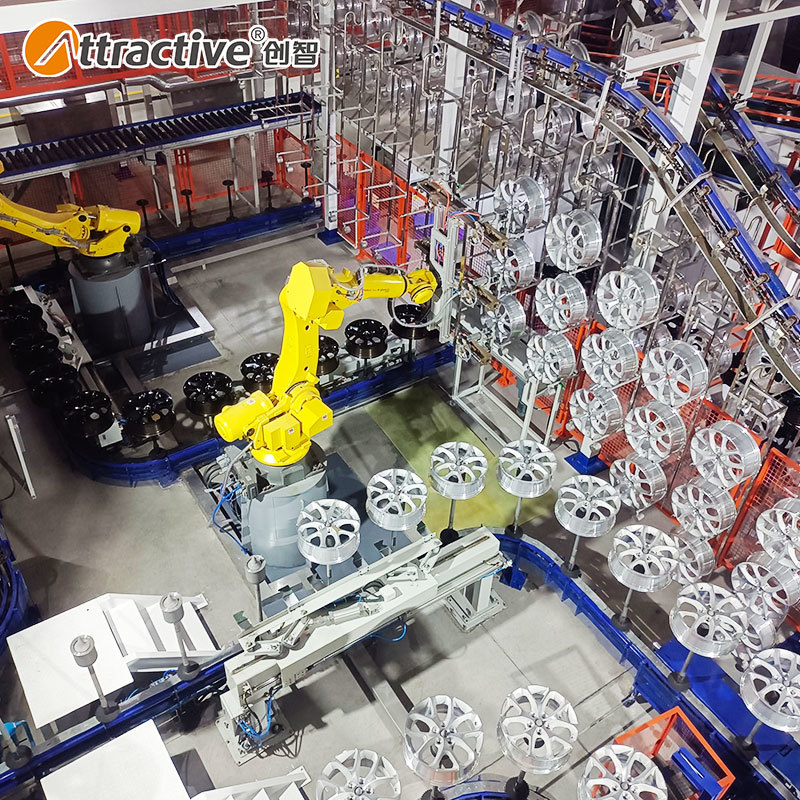
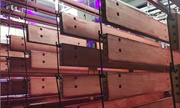
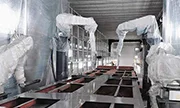
An automated or semi-automated coating line can help reduce repetitive manual handling and improve coordination between production stages. By integrating spraying equipment, conveyors, and curing ovens, manufacturers can establish a more predictable workflow and reduce unnecessary waiting time between operations.
Efficient material handling also helps protect finished surfaces from accidental contact or contamination. When the line is designed around actual production requirements, manufacturers can balance coating quality, output, labor allocation, and equipment utilization.
Energy consumption should also be considered during equipment selection. The curing method, heating system, ventilation requirements, and operating schedule all influence running costs. Selecting suitable equipment and optimizing process parameters can support more economical long-term production.

Selecting the right UV coating line requires consideration of several production factors:
1. Product Types and Dimensions
Different products, such as furniture panels, guitar bodies, and piano components, require suitable spraying and conveying configurations.
2. Coating Process Requirements
The coating materials, number of coating layers, and required surface effects determine the equipment configuration and curing process.
3. Production Capacity
The line speed and automation level should match the expected output to maintain an efficient production flow.
4. Factory Layout
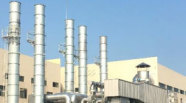
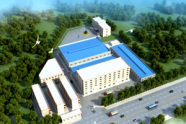
Available space, equipment arrangement, and ventilation conditions should be considered to ensure smooth installation and operation.
Conclusion
A properly configured UV coating line helps manufacturers achieve consistent finishing quality and efficient production. Choosing equipment according to actual product and process requirements is essential for long-term operation.


Contact Us
No.2 Yingbin Avenue, High-tech District, Zhaoqing City, Guangdong Province, China.
Online Message