




















Related News

29
2024
-
03
The difference between electrostatic powder spraying and spray painting
Author:
Chuangzhi Coating
In today's industrial production, surface treatment technology is crucial to the quality and life of products. Electrostatic powder spraying and spray painting are two common surface treatments, and many people are interested in the differences between them. Therefore, we will discuss electrostatic powder spraying and spray painting technology and explore their practical applications.
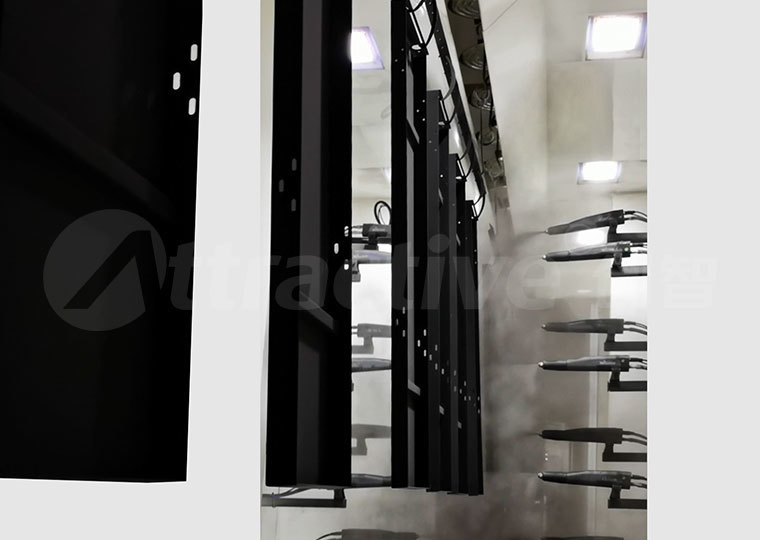
1. Basic principles
1) The basic principle of electrostatic powder spraying is to use a high-voltage electrostatic electric field to cause the paint particles to gain charge and adsorb to the surface of the workpiece. Electrostatic powder spraying is often used for surface treatment of steel, plastic and other materials.
2) Spray painting is a method of spraying paint evenly onto the surface of an object through a spray gun. Spray paint is often used to treat wood products, ceramics and other materials.
2. Technical differences
1) Treatment of paint particles: The paint particles used in electrostatic powder spraying are generally relatively large and difficult to flow on the surface of objects. The use of electrostatic powder spraying can better ensure the uniformity of the coating. The particles of spray paint are smaller and more fluid, making it easier to cover the uneven parts of the surface of objects.
2) Operation method: Electrostatic powder spraying requires specific equipment and technology, and needs to be produced under specific environments and equipment. The operation will be relatively complicated. The principle of spray painting is relatively simple, has low environmental requirements, and is suitable for mass production.
3) Environmental protection: The coating of electrostatic powder spraying is in powder form, easier to recycle and process, and has better environmental performance than spray paint.
4) Cost: In terms of cost, the cost of electrostatic powder spraying equipment is relatively high. In the initial construction, due to the high environmental requirements and the high cost of the equipment itself, the initial investment will be large, and the environmental requirements required for spray painting are relatively cheap.
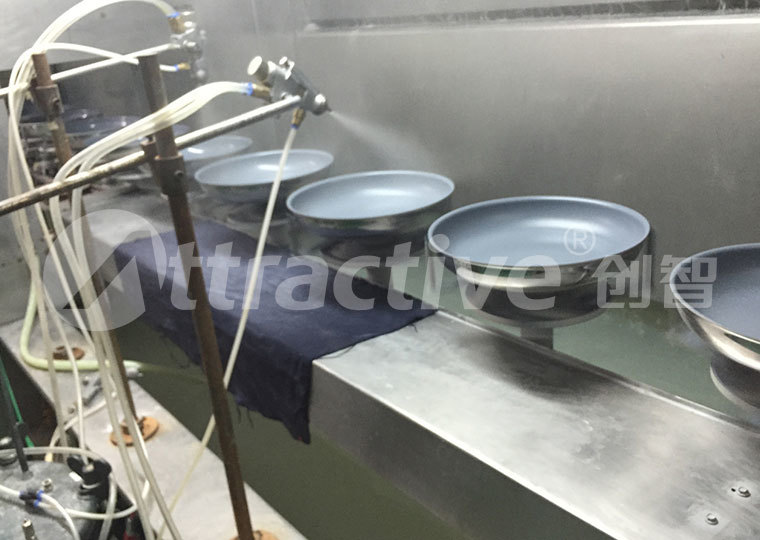
3. Practical application
1) Industrial production: In industrial production, electrostatic powder spraying is often used to treat metal products, plastic products and other materials, mainly to improve the anti-corrosion, wear resistance and aesthetics of the products. Spray painting is mostly used on wood products, ceramics and other materials to meet the aesthetic needs of the public.
2) Automobile manufacturing: Electrostatic powder spraying is a commonly used surface treatment technology in automobile manufacturing. Through electrostatic powder spraying, the car surface can form better anti-corrosion, anti-rust and wear-resistant properties, while ensuring the uniformity and beauty of the coating.
3) Furniture manufacturing: Spray painting is a commonly used surface treatment method in furniture manufacturing. Through spray painting, the furniture surface can be formed into various colors and patterns to meet the different aesthetic styles and personalized needs of consumers.
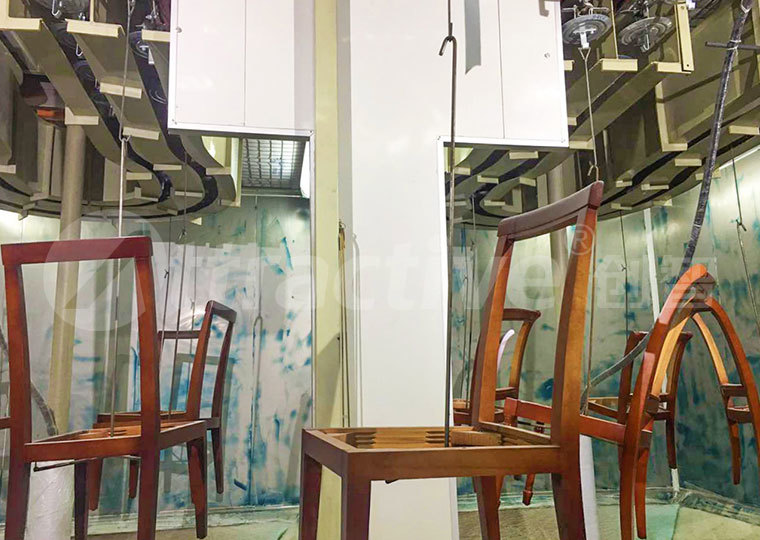
All in all, there are obvious differences between electrostatic powder spraying and spray painting in terms of technology, operation, environmental protection and cost. In practical applications, I suggest that you choose the appropriate surface treatment method based on various factors such as product material, product appearance requirements, and production efficiency.
If you have any questions about coating production line equipment, please feel free to consult Attractivechina. Chuangzhi Coating Company has more than 30 years of experience in the coating production line equipment industry and more than 2,000 successful cases. We can provide you with the most suitable painting solution.


Contact Us
No.2 Yingbin Avenue, High-tech District, Zhaoqing City, Guangdong Province, China.
Online Message