















Related News

11
2024
-
09
Enhancing Efficiency: Benefits of Non-Stick Coating in Painting Production Lines
Author:
Chuangzhi Coating
1. Introduction
In today’s fast-paced industrial environment, maintaining high levels of efficiency in painting production lines is crucial. As industries strive for better performance and quality, one of the most transformative innovations has been the introduction of non-stick coatings. These specialized coatings are designed to reduce the adhesion of paint and other materials to machinery and equipment, leading to significant improvements in the overall efficiency of production lines. This article will delve into the various benefits that non-stick coatings bring to non-stick paint painting production line, exploring their applications and future trends.

2. Understanding Non-Stick Coatings
Non-stick coatings are specialized surface finishes applied to various industrial tools and equipment, primarily to prevent materials from adhering to them. Commonly used in cookware, non-stick coatings have found significant applications in industrial processes. These coatings are typically made from polymers like PTFE (Polytetrafluoroethylene) or PFA (Perfluoroalkoxy alkane), known for their low friction and excellent chemical resistance.
The effectiveness of these coatings lies in their ability to create a smooth surface that minimizes contact with paint and other materials. This functionality is vital in non-stick paint painting production line where leftover paint can lead to contamination and defects in finished products.
3. Importance of Non-Stick Coatings in Industrial Painting
The importance of non-stick coatings in industrial painting cannot be overstated. As production lines become more sophisticated, the need for materials that enhance efficiency and quality becomes paramount. Non-stick coatings contribute significantly to the streamlining of production processes, which is essential in meeting increasing market demands. By reducing downtime associated with cleaning and maintenance, these coatings allow for faster turnaround times and improved overall operational efficiency.
4. Key Benefits of Non-Stick Coating in Painting Production Lines
4.1 Reduced Material Waste
One of the primary benefits of using non-stick coatings in non-stick paint painting production lines is the significant reduction in material waste. Traditional methods often lead to paint build-up on tools and machinery, which can result in overspray and excess material being wasted. By utilizing non-stick coatings, the adherence of paint is significantly minimized, leading to more efficient use of materials. This not only reduces costs associated with purchasing paint but also minimizes the environmental impact associated with paint disposal.
4.2 Increased Efficiency and Productivity
Non-stick coatings contribute to increased efficiency and productivity in several ways. Firstly, they reduce the need for frequent maintenance and cleaning, allowing production lines to operate at optimum capacity. When equipment is coated with non-stick materials, the downtime required for cleaning is drastically reduced, leading to higher throughput rates. Additionally, operators can focus more on production tasks rather than maintenance, further enhancing overall productivity.
4.3 Enhanced Quality of Finished Products
The quality of finished products is paramount in any manufacturing process. Non-stick coatings help maintain consistent paint application by reducing the likelihood of contamination from leftover materials. This consistency ensures that the finished products meet quality standards and customer expectations. Furthermore, the smooth surface created by non-stick coatings allows for a more even and flawless finish, contributing to the overall aesthetic appeal of the products.
4.4 Lower Maintenance Costs
Investing in non-stick coatings can lead to lower maintenance costs in the long run. By drastically reducing paint build-up, the need for aggressive cleaning agents and frequent maintenance schedules diminishes. This results in significant savings regarding labor costs and cleaning supplies. Additionally, equipment lifespan can be extended, further reducing the need for costly repairs or replacements.
4.5 Positive Environmental Impact
The environmental benefits of using non-stick coatings are becoming increasingly important in today’s eco-conscious landscape. By minimizing material waste and reducing the need for harmful cleaning chemicals, non-stick coatings contribute to more sustainable industrial practices. This alignment with environmental standards not only helps companies fulfill regulatory requirements but also enhances their reputation among consumers who prioritize eco-friendly practices.
5. Applications of Non-stick paint painting production line
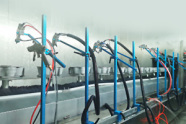
Non-stick coatings are versatile and can be applied across various components within painting non-stick paint painting production lines. Some key applications include:
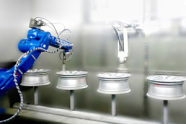
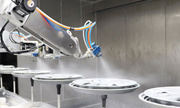
- Spray Guns: Non-stick coatings reduce paint accumulation, ensuring consistent spray patterns and reducing the need for frequent cleaning.
- Hoppers: Coating hoppers with non-stick materials prevents paint from clumping or sticking, ensuring a smooth flow of materials.
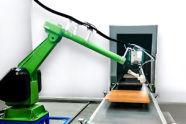
- Conveyor Systems: Non-stick surfaces on conveyor belts allow for easier transport of painted items, minimizing the risk of paint transfer or damage during movement.
- Curing Ovens: Non-stick coatings in curing ovens can prevent paint from sticking to heating elements, improving efficiency and reducing maintenance needs.
6. Future Trends in Non-Stick Coatings
As technology continues to evolve, the future of non-stick coatings looks promising. Researchers are exploring advanced formulations that offer enhanced durability, heat resistance, and even self-cleaning properties. Additionally, innovations in eco-friendly coatings are gaining traction, aligning with the global push towards sustainability. The development of nanotechnology-based coatings shows potential for even greater efficiency and durability in industrial applications.
7. FAQs
1. What are non-stick coatings made of?
Non-stick coatings are typically made from polymers like PTFE and PFA, which offer low friction and chemical resistance.
2. How do non-stick coatings improve efficiency in painting non-stick paint painting production lines?
They reduce paint build-up, leading to less downtime for cleaning and maintenance, thus allowing for higher productivity rates.
3. Are non-stick coatings environmentally friendly?
Yes, they help reduce material waste and the need for harsh cleaning chemicals, aligning with eco-friendly practices.
4. Can non-stick coatings be applied to all types of painting equipment?
While they are highly versatile, the application depends on the equipment's material and the specific operational requirements.
5. What are the cost implications of using non-stick coatings?
While there is an initial investment, the long-term savings on maintenance, material waste, and improved productivity often outweigh the costs.
8. Conclusion
In conclusion, non-stick coatings represent a significant advancement in painting non-stick paint painting production lines, driving efficiency and enhancing the quality of finished products. Their ability to reduce material waste, lower maintenance costs, and contribute positively to the environment makes them an essential component in modern industrial practices. As we look to the future, ongoing innovations in non-stick coating technology promise to further improve their effectiveness and sustainability. Businesses that adopt these coatings will not only enhance their operational efficiency but also position themselves as leaders in responsible manufacturing practices.


Contact Us
No.2 Yingbin Avenue, High-tech District, Zhaoqing City, Guangdong Province, China.
Online Message