














Related News

05
2024
-
09
Enhancing Efficiency: Innovations in non-stick pan coating line
Author:
Chuangzhi Coating
1. Introduction to Non-Stick Pan Coating Technology
Non-stick pans have become a staple in kitchens around the world due to their convenience and ease of use. The technology behind these pans has evolved significantly, leading to the development of more efficient and durable coatings that enhance the cooking experience. This article will explore how innovations in non-stick pan coating line are not only improving cooking performance but also addressing environmental concerns, ensuring a sustainable approach to cookware manufacturing.

2. The Science Behind Non-Stick Coatings
Understanding non-stick coating technology requires a glimpse into the science behind it. Non-stick coatings work primarily through the use of materials such as polytetrafluoroethylene (PTFE), commonly known as Teflon. PTFE provides a smooth, slippery surface that prevents food from adhering to the pan. This section will explore how these coatings are formulated, including the molecular structure of PTFE and its unique properties that make it ideal for non-stick applications.
2.1 The Role of Polymerization in Coatings
The manufacturing process of non-stick coatings begins with polymerization, where monomers are chemically bonded to form polymers. These polymers create a stable, non-reactive surface that is resistant to high temperatures and scratches. Understanding this process is crucial for manufacturers to create coatings that last longer and perform better, reducing the need for frequent replacements and enhancing overall efficiency.
3. Innovations in Non-Stick Coating Materials
Recent advancements have introduced alternative materials that outperform traditional PTFE coatings. For instance, ceramic-based coatings have gained popularity due to their non-toxic properties and high resistance to wear and tear. This section will delve into various innovative materials being used in non-stick pan coatings, including:
3.1 Ceramic Coatings
Ceramic coatings are made from inorganic materials that provide excellent heat distribution and durability. They are free from harmful chemicals often associated with traditional coatings, making them a safer option for health-conscious consumers. Furthermore, ceramic-coated pans often exhibit better scratch resistance and easier cleanup.
3.2 Silicone and Other Non-Toxic Options
The increase in demand for eco-friendly cookware has paved the way for silicone coatings, which are not only non-stick but also heat resistant and flexible. This section will explore the benefits of using silicone in non-stick coatings and how it contributes to a healthier cooking environment.
4. Manufacturing Processes Enhancing Coating Efficiency
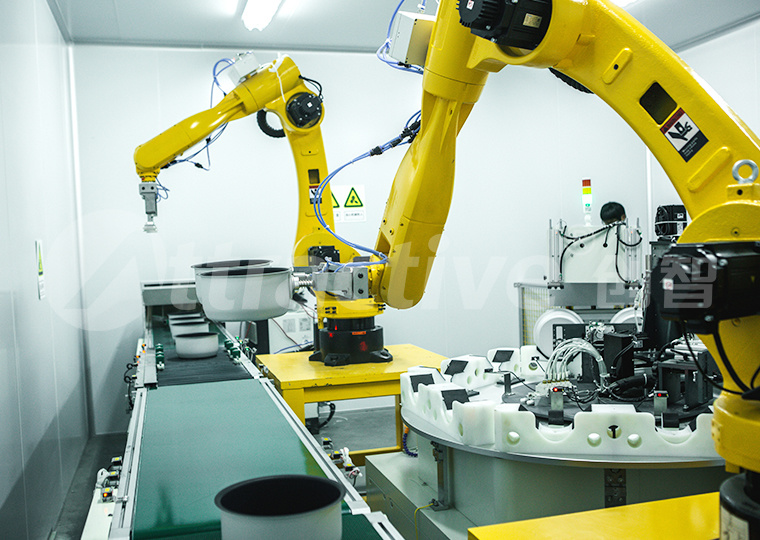
The efficiency of non-stick pan coating line on the manufacturing processes employed. This section will cover advanced techniques that enhance the application and durability of coatings:
4.1 Precision Spraying Techniques
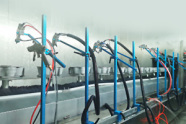
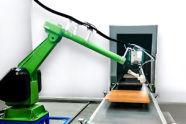
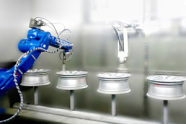
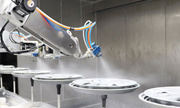
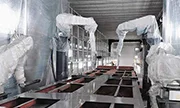
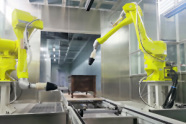
Precision spraying techniques ensure an even distribution of non-stick materials on the pan's surface, reducing waste and enhancing coating performance. This method allows for a thin, uniform layer that performs better than thicker applications, resulting in a more efficient cooking surface.
4.2 Sintering and Curing Processes
Sintering involves heating the coated pans to high temperatures to bond the coating to the metal surface. This process increases the durability and longevity of the non-stick surface, preventing peeling and chipping. Exploring sintering techniques reveals how manufacturers are pushing the boundaries of cookware efficiency.
5. Environmental Considerations in Non-Stick Coating Technologies
As consumer awareness regarding sustainability grows, manufacturers are under pressure to adopt environmentally friendly practices. This section will discuss how innovations in non-stick coating technology are addressing these concerns:
5.1 Eco-Friendly Coating Alternatives
The shift towards using sustainable materials in non-stick coatings, such as plant-based polymers, demonstrates the industry's commitment to reducing its carbon footprint. Understanding these alternatives will provide insights into how the industry can balance performance with eco-consciousness.
5.2 Recycling and Disposal of Non-Stick Cookware
Proper disposal and recycling methods for non-stick pan coating line are essential to minimize environmental impact. This section will explore responsible practices that consumers can adopt, as well as ongoing initiatives within the industry to promote sustainability.
6. Comparing Traditional vs. Modern Non-Stick Coatings
With the rise of innovative materials and techniques, it becomes crucial to compare traditional non-stick coatings with modern advancements. This section will highlight the performance differences, safety concerns, and durability aspects between older and newer technologies.
6.1 Safety Concerns: Old vs. New
Addressing safety concerns surrounding traditional non-stick pan coating line, particularly those containing PFOA (perfluorooctanoic acid), will clarify why modern coatings are often deemed safer. The evolution of non-stick technology has paved the way for safer, healthier cooking options.
7. Future Trends in Non-Stick Pan Coating Technology
As technology continues to evolve, so too will non-stick pan coatings. This section will examine the future trends in this field, focusing on emerging materials, smart coatings that enhance cooking efficiency, and the anticipated impact of consumer preferences on product development.
7.1 Smart Coatings and IoT Integration
The integration of smart technology into cookware, such as sensors that monitor temperature and cooking time, represents a promising frontier. This innovation could transform non-stick pans into smart kitchen devices, further enhancing efficiency and user experience.
7.2 Increasing Demand for Customization
As consumers seek personalized cooking solutions, the demand for customizable non-stick coatings will likely grow. Manufacturers may respond by offering a wider range of colors, finishes, and even features tailored to individual cooking styles.
8. Frequently Asked Questions (FAQs)
8.1 What materials are commonly used in non-stick coatings?
The most common materials include PTFE (Teflon), ceramic, and silicone. Each offers unique benefits in terms of safety and performance.
8.2 Are modern non-stick coatings safe for cooking?
Yes, modern non-stick coatings are generally considered safe, especially those that are PFOA-free and made with eco-friendly materials.
8.3 How can I prolong the life of my non-stick cookware?
To extend the life of non-stick cookware, avoid using metal utensils, clean gently, and refrain from overheating the pan.
8.4 Can non-stick pans be recycled?
Recycling options for non-stick pans vary by location. It's crucial to check local recycling guidelines for proper disposal.
8.5 What are the signs that my non-stick pan needs replacing?
Signs include visible scratches, peeling of the coating, or if food begins to stick to the surface despite proper care.
9. Conclusion
Innovations in non-stick pan coating line have paved the way for a more efficient, safer, and environmentally friendly cooking experience. By understanding the science behind these advancements and examining new materials and manufacturing processes, consumers can make informed choices when selecting cookware. As the industry continues to evolve, it is clear that the future of non-stick cooking will prioritize both performance and sustainability, ensuring a positive impact on our kitchens and our planet.


Contact Us
No.2 Yingbin Avenue, High-tech District, Zhaoqing City, Guangdong Province, China.
Online Message