










Related News

16
2024
-
11
Unleashing Innovation: Customized Solutions for Cookware Painting Lines
Author:
Chuangzhi Coating
1. Introduction to Customized Cookware Painting Lines
In the modern manufacturing landscape, the need for efficiency and product differentiation is paramount, especially in the cookware industry. Customized solutions for cookware painting lines have emerged as a strategic approach to meet these demands. By leveraging innovative technologies and tailored designs, manufacturers can enhance productivity while ensuring high-quality finishes on their products.

2. Importance of Customization in Cookware Painting
The importance of customization in cookware painting cannot be overstated. As consumer preferences evolve, manufacturers must adapt their production lines accordingly. Customization allows for:
- Flexibility in Production: Tailored solutions enable manufacturers to switch between different products seamlessly, accommodating varying designs and finishes.
- Meeting Specific Client Needs: Custom painting lines can cater to unique client specifications, providing a competitive edge.
- Enhanced Brand Recognition: Unique finishes and designs can help brands stand out in a crowded marketplace.
3. Cutting-Edge Technology in Painting Lines
Incorporating cutting-edge technology is crucial for optimizing cookware painting lines. Key technological advancements include:
3.1 Automated Painting Systems
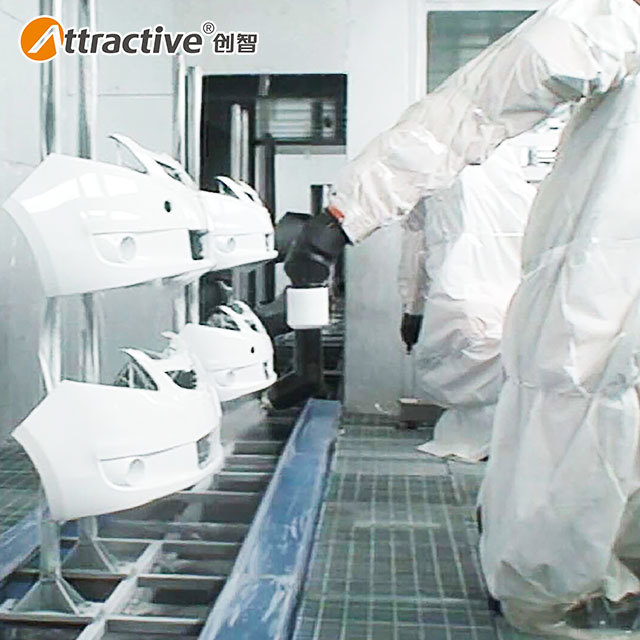
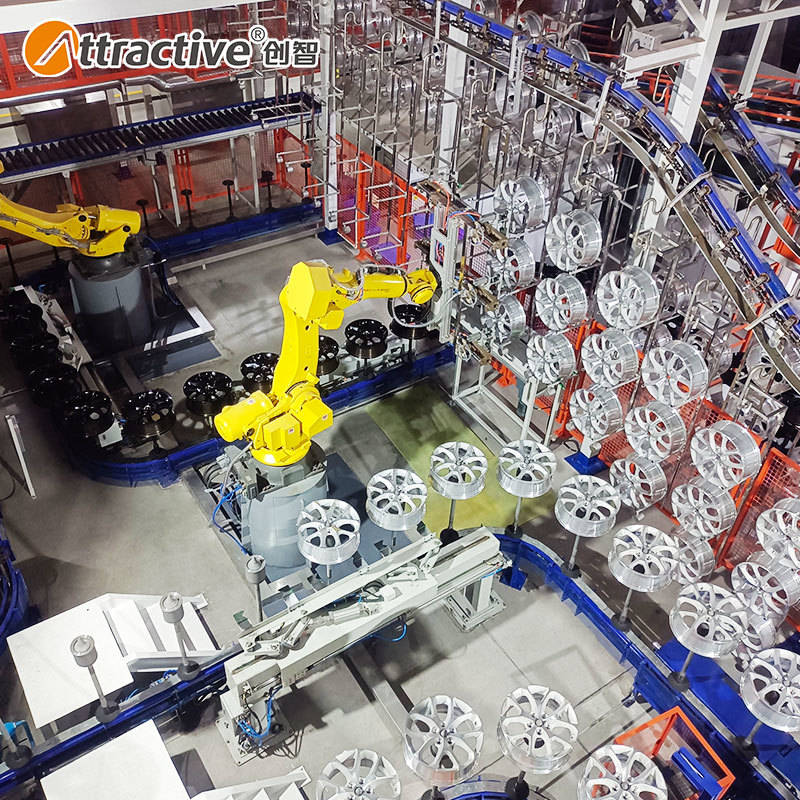
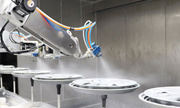
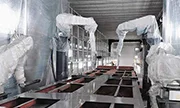
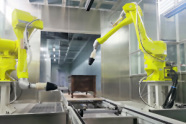
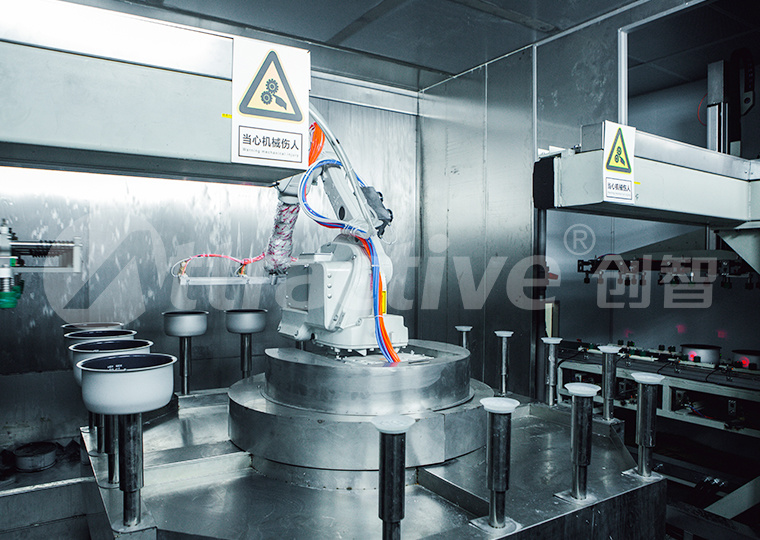
Automated systems can significantly reduce labor costs and increase precision. These systems ensure consistent application of paint, minimizing waste and enhancing the overall finish quality.
3.2 Advanced Coating Techniques
Techniques such as powder coating and liquid painting provide manufacturers with options that balance performance and aesthetics. Each method has its advantages, such as durability and environmental impact, which should be considered when customizing lines.
3.3 Smart Technology Integration
Integrating smart technologies, including IoT sensors and AI analysis, allows manufacturers to monitor production in real-time. This technology provides insights into efficiency, quality, and potential bottlenecks, facilitating proactive management of the painting process.
4. Designing Your Customized Cookware Painting Line
The design of a painting line plays a pivotal role in optimizing production. Key factors to consider include:
4.1 Layout Planning
A well-planned layout minimizes material handling, thereby reducing the risk of contamination and enhancing workflow efficiency.
4.2 Equipment Selection
Choosing the right equipment, such as spray booths, curing ovens, and conveyor systems, is essential. Each component must be aligned with the production goals and the specific requirements of the cookware being painted.
4.3 Ergonomic Considerations
Designing for operator comfort and safety enhances productivity. Incorporating ergonomic features into the workspace can reduce fatigue and improve overall job satisfaction.
5. Enhancing Efficiency through Custom Solutions
Efficiency is critical in manufacturing, and customized painting lines offer several avenues for enhancement:
5.1 Streamlined Workflow Processes
Custom solutions can streamline workflow processes, reducing cycle times and improving overall throughput.
5.2 Waste Reduction Strategies
Implementing techniques such as reclaiming overspray and optimizing paint application can significantly reduce material waste, leading to cost savings.
5.3 Continuous Improvement Practices
Establishing a culture of continuous improvement ensures that the painting line evolves with changing market demands and technological advancements.
6. Quality Control in Customized Painting Lines
Ensuring high-quality output is non-negotiable in cookware manufacturing. Key quality control measures include:
6.1 Regular Equipment Maintenance
Routine maintenance of painting equipment is vital to prevent breakdowns and ensure consistent performance.
6.2 In-Process Quality Checks
Implementing in-process inspections allows for the identification of defects early in the production process, reducing rework and waste.
6.3 Final Product Testing
Conducting thorough testing on finished products ensures they meet industry standards and consumer expectations.
7. Sustainability Considerations in Cookware Painting
Sustainability is becoming increasingly important in manufacturing. Customized cookware painting lines can incorporate sustainable practices, such as:
7.1 Eco-Friendly Coatings
Utilizing water-based or low VOC (volatile organic compounds) coatings can minimize environmental impact while maintaining performance.
7.2 Energy Efficient Systems
Investing in energy-efficient equipment reduces energy consumption and operational costs, contributing to a more sustainable manufacturing process.
7.3 Waste Management Programs
Implementing effective waste management strategies ensures that excess materials are disposed of responsibly or recycled.
8. Case Studies: Successful Implementations of Customized Solutions
Examining real-world examples of customized cookware painting lines reveals the tangible benefits these solutions can deliver:
8.1 Case Study 1: Company A
A leading cookware manufacturer implemented a customized painting line that reduced paint waste by 30% and increased production efficiency by 25%. This transformation not only lowered costs but also improved product quality.
8.2 Case Study 2: Company B
Another manufacturer adopted smart technology in their painting line, allowing for real-time data analysis. This led to a significant reduction in defects and improved response times to production challenges.
9. Conclusion
In conclusion, customized solutions for cookware painting lines are not just a trend; they are a necessity for manufacturers aiming to thrive in a competitive landscape. By embracing innovation in technology, design, and sustainability, companies can enhance efficiency, ensure product quality, and meet the evolving needs of consumers. The future of cookware painting lies in customization, and the time to invest in these solutions is now.
10. FAQs
What are the benefits of customizing cookware painting lines?
Customizing cookware painting lines can improve efficiency, enhance product quality, and cater to specific client needs, leading to better market positioning.
How does technology impact cookware painting processes?
Advanced technologies, such as automation and smart systems, streamline production, reduce waste, and provide real-time insights for improved management.
What should manufacturers consider when designing a painting line?
Manufacturers should consider layout planning, equipment selection, and ergonomic factors to optimize workflow and enhance operator comfort.
How can sustainability be integrated into cookware painting?
Sustainability can be achieved through eco-friendly coatings, energy-efficient equipment, and effective waste management practices.
Are there specific quality control measures for painting lines?
Yes, regular equipment maintenance, in-process quality checks, and final product testing are essential for maintaining high-quality output in painting lines.


Contact Us
No.2 Yingbin Avenue, High-tech District, Zhaoqing City, Guangdong Province, China.
Online Message