























Related News

04
2024
-
12
Sustainability in Action: Eco-Friendly Practices for Non-Stick Pan Spraying
Author:
Chuangzhi Coating
Introduction to Eco-Friendly Practices
In today's rapidly evolving industrial landscape, the emphasis on sustainability is becoming increasingly critical. non-stick pan spraying production line, a staple in many households, require careful consideration in their production processes. Eco-friendly practices in non-stick pan spraying not only benefit the environment but also enhance the longevity of products and boost company reputation. By adopting sustainable methods, manufacturers can play a significant role in preserving natural resources while meeting consumer demands for safer, healthier products.
The Importance of Sustainability in Manufacturing
Sustainability in manufacturing is not a trend; it's a necessity. The manufacturing sector is often criticized for its environmental impact, particularly concerning emissions and waste. The eco-friendly practices in non-stick pan spraying are essential for several reasons:
- Consumer Demand for Green Products: As awareness of environmental issues grows, consumers increasingly prefer products that are responsibly sourced and produced.
- Regulatory Compliance: Governments worldwide are enacting stricter regulations to reduce industrial carbon footprints. Implementing sustainable practices helps companies stay compliant.
- Cost Savings: Sustainable practices can lead to significant cost reductions through efficient resource use, waste minimization, and energy savings.
- Brand Loyalty: Companies committed to sustainability often enjoy increased customer loyalty, as consumers are more likely to support brands that align with their values.
Eco-Friendly Materials for Non-Stick Coatings
Choosing the right materials is the foundation of eco-friendly practices in non-stick pan spraying. Traditional non-stick coatings, often made with polytetrafluoroethylene (PTFE), have raised concerns due to their environmental impact. Here are some eco-friendly alternatives:
- Ceramic Coatings: These coatings are free from PTFE and PFOA, making them safer for the environment. They are derived from sand and are biodegradable.
- Bio-Based Coatings: Innovations in bio-based coatings use natural materials instead of petroleum-based substances, reducing environmental impact.
- Recycled Materials: Incorporating recycled materials into the production process can significantly lower the carbon footprint of non-stick pans.
Utilizing these materials not only supports sustainability but also enhances the performance and safety of non-stick products.
Innovative Spraying Techniques to Minimize Waste
The methods used in the spraying process can dramatically influence both waste generation and product quality. Innovative techniques that enhance precision and minimize waste include:
- Electrostatic Spraying: This technique uses electrical charges to attract the coating material to the pan's surface, leading to more efficient usage and less overspray.
- High-Volume Low-Pressure (HVLP) Spraying: HVLP systems reduce the amount of coating lost to overspray by ensuring that a higher portion of the material lands on the target surface.
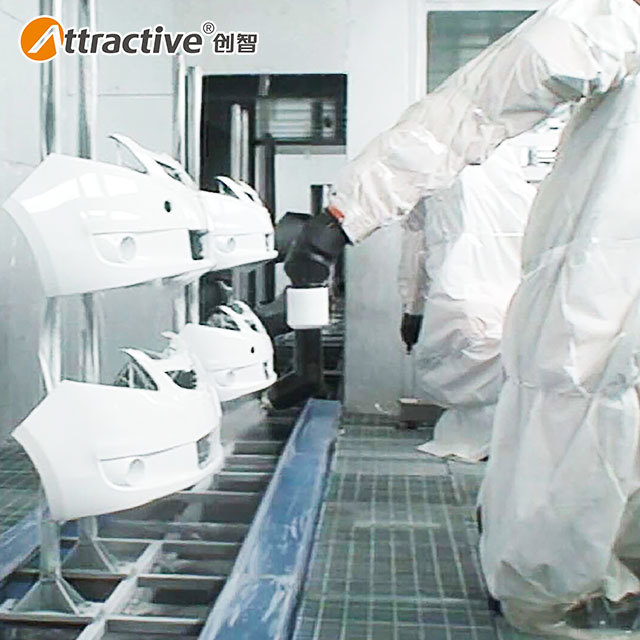
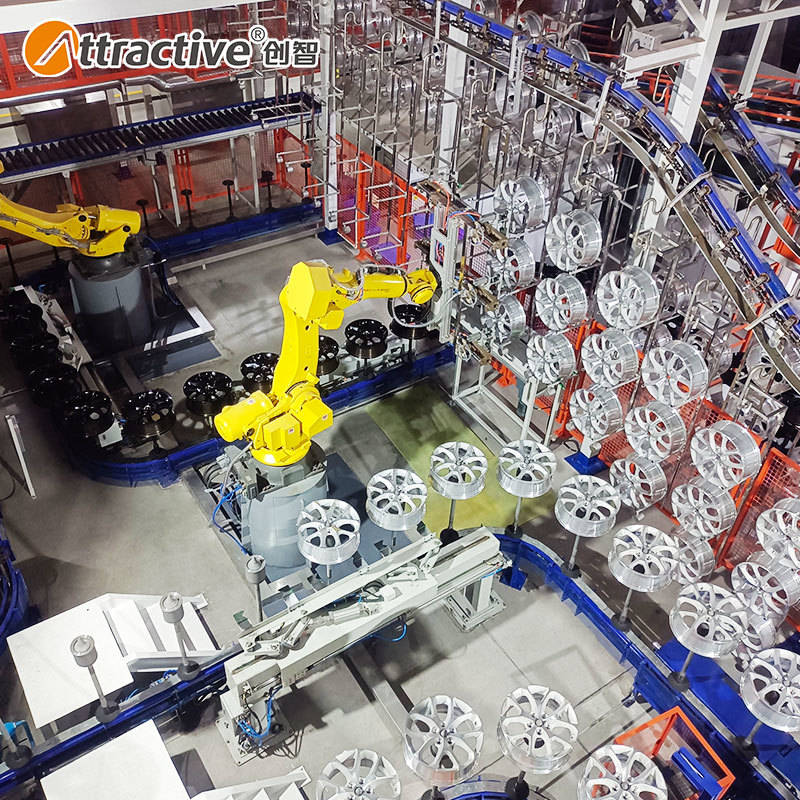
- Robotic Spraying Systems: Automation in spraying processes allows for consistent application, reducing variability and waste while increasing efficiency.
By investing in these advanced technologies, manufacturers can significantly reduce their environmental impact while improving product consistency.
Energy Efficiency in Non-Stick Pan Production
Energy consumption is a significant factor in the sustainability of non-stick pan manufacturing. Implementing energy-efficient practices can yield substantial benefits, including:
- Upgrading Equipment: Using modern, energy-efficient equipment can reduce energy consumption by up to 50%.
- Process Optimization: Streamlining processes and improving workflow can minimize energy usage throughout production.
- Renewable Energy Sources: Transitioning to renewable energy, such as solar or wind, not only reduces the carbon footprint but can also lower energy costs in the long run.
By prioritizing energy efficiency, manufacturers can contribute to a more sustainable production environment and lower operational costs.
Waste Management Strategies for Industrial Coating
Effective waste management is crucial for sustainable non-stick pan spraying. Implementing comprehensive waste management strategies can help reduce landfill contributions and promote recycling. Key strategies include:
- Recycling Programs: Establishing programs to recycle unused or excess materials not only diverts waste but can also generate cost savings.
- Closed-Loop Systems: Utilizing closed-loop systems in production can minimize waste by reusing materials and reducing emissions.
- Training Employees: Educating staff about waste reduction techniques and the importance of sustainability can foster a culture of responsibility and innovation.
By adopting these waste management strategies, manufacturers can significantly enhance their sustainability efforts and contribute to a healthier planet.

Navigating Compliance and Environmental Regulations
As sustainability becomes a focal point in manufacturing, companies must navigate a complex landscape of compliance and environmental regulations. Understanding these regulations is essential for implementing eco-friendly practices. Key compliance areas include:
- Chemical Regulations: Compliance with regulations regarding the use of certain chemicals in coatings is vital for ensuring safety and environmental protection.
- Emissions Standards: Manufacturers must adhere to local and international emissions standards to minimize their environmental impact.
- Reporting Requirements: Many jurisdictions require detailed reporting on sustainability practices and their effectiveness, making transparency crucial.
By staying informed and proactive regarding compliance, manufacturers can not only avoid penalties but also lead the charge towards sustainable practices in the industry.
Future Trends in Sustainable Non-Stick Pan Manufacturing
Looking ahead, several trends are shaping the future of sustainable non-stick pan manufacturing:
- Increased Use of Smart Technology: Smart manufacturing technologies enable real-time monitoring and adjustments, optimizing resource use and minimizing waste.
- Sustainable Supply Chain Management: Companies are increasingly focusing on creating sustainable supply chains, ensuring that all materials used are sourced ethically and sustainably.
- Consumer Education: As consumers become more environmentally conscious, companies will need to invest in educating customers about the sustainability of their products.
These trends indicate a growing commitment to sustainability within the industry, reinforcing the importance of eco-friendly practices in non-stick pan spraying.
Frequently Asked Questions
1. What are the main benefits of eco-friendly practices in non-stick pan spraying?
Eco-friendly practices reduce environmental impact, lower production costs, and enhance product safety and consumer appeal.
2. Are there eco-friendly alternatives to traditional non-stick coatings?
Yes, options such as ceramic coatings, bio-based coatings, and recycled materials are excellent alternatives to traditional non-stick coatings.
3. How can manufacturers reduce waste during the spraying process?
Utilizing techniques like electrostatic spraying and HVLP spraying can significantly minimize waste and improve efficiency.
4. What role does energy efficiency play in sustainable manufacturing?
Energy efficiency reduces operational costs and environmental impact, contributing to overall sustainability in manufacturing.
5. How can companies ensure compliance with environmental regulations?
Staying informed about relevant regulations and implementing necessary measures for compliance is crucial for sustainable practices.
Conclusion
Incorporating eco-friendly practices into non-stick pan spraying is not just a moral imperative; it is a strategic advantage in today’s market. By prioritizing sustainable materials, innovative spraying techniques, and efficient waste and energy management, manufacturers can significantly reduce their environmental impact while meeting consumer demands. The commitment to sustainability will not only help preserve our planet for future generations but also position companies as leaders in the eco-conscious manufacturing landscape. Adopting these practices today is essential for a cleaner, greener, and more sustainable tomorrow.


Contact Us
No.2 Yingbin Avenue, High-tech District, Zhaoqing City, Guangdong Province, China.
Online Message