



















Related News

19
2025
-
05
Eelectrostatic Powder Coating Line: A Manual Approach to Enhanced Efficiency and Quality
Author:
Chuangzhi Coating
In the realm of industrial equipment and components, manual electrostatic powder coating line has emerged as a leading technique for providing durable, high-quality finishes. Unlike traditional liquid coatings, powder coating utilizes a dry powder that is applied electrostatically and then cured under heat. This process not only enhances the aesthetic appeal of various products but also provides superior resistance to scratches, corrosion, and fading.
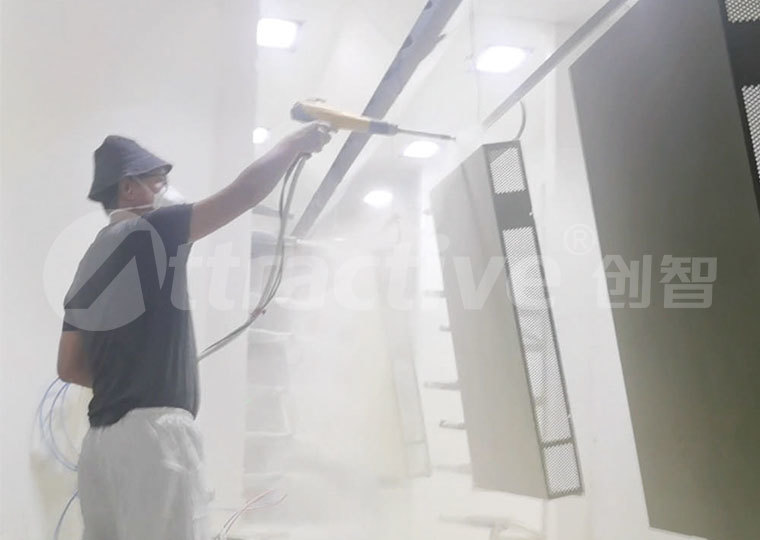
As manufacturers continuously seek ways to improve efficiency and reduce costs, a manual approach to powder coating has gained traction. This article explores how embracing manual techniques can revolutionize your powder coating processes, delivering beneficial outcomes for your operations.
Understanding Powder Coating: What It Is and How It Works
Powder coating is a process that involves applying a dry powder to a surface. The powder is composed of finely ground particles of pigment and resin, which are sprayed onto the surface using an electrostatic gun. When electrically charged, the powder adheres to the surface until it is cured in an oven, where the heat causes the particles to fuse into a solid, durable layer.
Key Features of Powder Coating:
- Durability: Powder coating is known for its tough finish, which is resistant to chipping, scratching, and fading.
- Environmentally Friendly: The process generates minimal waste and does not emit harmful solvents.
- Versatility: It can be applied to a wide range of materials, including metals, plastics, and wood.
Benefits of Adopting a Manual Approach in Powder Coating
Embracing a manual approach to powder coating offers several distinct advantages:
1. Cost Efficiency
Manual powder coating can significantly reduce labor costs and minimize the need for extensive equipment. With the right techniques and practices, businesses can achieve high-quality finishes without the overhead associated with fully automated systems.
2. Enhanced Control
A hands-on approach allows operators to monitor and adjust the application process in real-time. This level of control can lead to improved coating consistency and quality.
3. Flexibility in Production
Manual powder coating processes can be easily adapted for small batch production runs or custom projects, making it an excellent choice for businesses that require versatility in their operations.
4. Skill Development
Implementing manual techniques fosters skill development among workers, which can enhance overall job satisfaction and lead to better outcomes in the production process.
Implementing Manual Powder Coating Techniques: A Step-by-Step Guide
To successfully implement manual powder coating techniques, follow these essential steps:
Step 1: Surface Preparation
The foundation of a successful powder coating application lies in thorough surface preparation. This includes cleaning, degreasing, and sanding the substrate to remove contaminants and ensure proper adhesion.
Step 2: Application of Powder
Using an electrostatic spray gun, apply the powder evenly onto the prepared surface. Maintain a consistent distance from the substrate to ensure an even coat.
Step 3: Curing the Coating
After application, cure the coated item in an oven at the recommended temperature for a specified duration. This step is crucial for achieving the desired hardness and durability of the finish.
Step 4: Quality Inspection
Once cooled, inspect the coated items for uniformity, thickness, and appearance. Address any inconsistencies before proceeding to packaging or delivery.
Essential Equipment for Effective Manual Powder Coating
Investing in the right equipment is vital for successful manual powder coating operations. Here are the essential tools and supplies:
1. Electrostatic Spray Gun
The primary tool for applying powder, an electrostatic spray gun charges the powder as it is sprayed, promoting adhesion to the substrate.
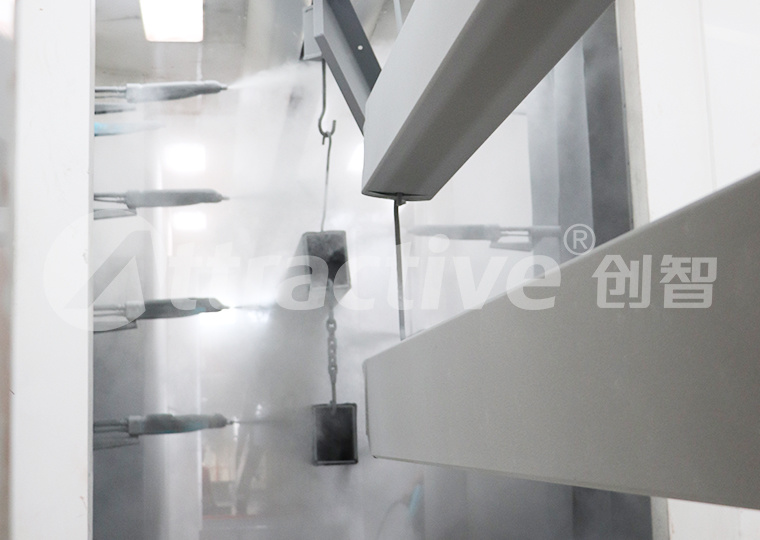
2. Powder Coating Booth
A dedicated booth helps contain overspray and improves the efficiency of the coating process by minimizing contaminants.
3. Curing Oven
A reliable curing oven is essential for achieving the proper temperature and duration needed to cure the powder effectively.
4. Surface Preparation Tools
Invest in tools for cleaning, sanding, and preparing surfaces, including pressure washers, sandblasters, and hand tools.
5. Personal Protective Equipment (PPE)
Ensure that all operators have access to PPE, including gloves, goggles, and respirators, to maintain safety throughout the coating process.
Quality Control in Manual Powder Coating: Ensuring Excellence
Maintaining high-quality standards in manual powder coating is crucial for ensuring product durability and customer satisfaction. Here are key quality control measures:
1. Regular Equipment Maintenance
Routine checks and maintenance of spray guns, ovens, and other equipment help prevent faults that could affect the coating quality.
2. Periodic Inspections
Conduct regular inspections of coated items to identify defects and implement corrective actions promptly.
3. Training and Development
Invest in ongoing training for operators to ensure they are knowledgeable about the latest techniques, safety protocols, and quality standards.
Sustainability in Powder Coating: A Manual Approach
Sustainability is a growing concern in industrial processes. A manual approach to powder coating can enhance sustainability efforts in several ways:
1. Reduced Waste
Manual techniques can minimize overspray and excess powder usage, leading to lower waste generation.
2. Eco-Friendly Materials
Selecting eco-friendly powder formulations can further enhance the sustainability of the powder coating process.
3. Energy Efficiency
Manual processes often require less energy than automated systems, contributing to reduced carbon footprints.
Future Trends in Powder Coating: What to Expect
As the industry evolves, several trends are expected to shape the future of powder coating:
1. Advancements in Powder Formulations
New formulations will continue to emerge, offering unique properties such as improved UV resistance and enhanced adhesion.
2. Automation Integration
While manual techniques are valuable, future developments may see a blend of manual and automated processes to enhance efficiency without sacrificing quality.
3. Increased Focus on Sustainability
As environmental concerns grow, businesses will prioritize sustainable practices in powder coating, including waste reduction and eco-friendly materials.
Conclusion
The manual approach to powder coating represents a significant opportunity for businesses aiming to enhance their production efficiency, quality, and sustainability. By implementing the right techniques and investing in essential equipment, manufacturers can revolutionize their powder coating processes, ultimately leading to superior products and increased customer satisfaction. Embracing this transformative approach can position businesses at the forefront of the industry, ready to meet the demands of an ever-evolving market.
Frequently Asked Questions (FAQs)
1. What is powder coating?
Powder coating is a process that applies a dry powder to a surface, which is then cured under heat to form a durable finish.
2. What are the benefits of manual powder coating?
The benefits include cost efficiency, enhanced control over the application process, flexibility for small batch production, and skill development among workers.
3. What equipment is essential for manual powder coating?
Essential equipment includes an electrostatic spray gun, powder coating booth, curing oven, surface preparation tools, and personal protective equipment.
4. How can I ensure quality in my manual powder coating process?
Regular equipment maintenance, periodic inspections of coated items, and ongoing training for operators can help ensure high-quality standards.
5. What trends should I watch for in the powder coating industry?
Key trends include advancements in powder formulations, the integration of automation with manual processes, and an increased focus on sustainability in operations.


Contact Us
No.2 Yingbin Avenue, High-tech District, Zhaoqing City, Guangdong Province, China.
Online Message