























Related News

30
2025
-
06
The Art of Perfecting Wheel Hub Coating Techniques: A Comprehensive Guide
Author:
Chuangzhi Coating
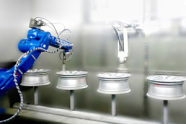
When it comes to the automotive industry, the importance of high-quality wheel hub coatings cannot be overstated. Not only do they enhance the aesthetic appeal of vehicles, but they also provide essential protection against corrosion and wear. In this comprehensive guide, we will delve into the intricacies of wheel hub coating techniques. We will explore everything from selecting the right materials to applying advanced coating methods, ensuring your wheel hub coating line out for all the right reasons.
1. Introduction to Wheel Hub Coating
Wheel hubs are critical components in a vehicle's performance and overall safety. They serve as the connection point between the wheel and the vehicle’s axle, playing a vital role in the vehicle's handling and stability. Coating these components not only enhances their appearance but also significantly extends their lifespan. In this section, we will discuss the fundamentals of wheel hub coatings and their relevance in the automotive sector.
2. Importance of Wheel Hub Coating
Coatings provide robust protection against environmental factors such as moisture, salt, and dirt. These elements can lead to corrosion and rust, weakening the structural integrity of the wheel hub. Moreover, a well-coated wheel hub enhances the vehicle's aesthetic appeal, contributing to the overall design. By ensuring a high-quality coating, manufacturers can improve customer satisfaction and boost their reputation in the market.
Durability and Resistance
High-quality coatings offer significant resistance to scratches, chips, and fading, ensuring that the wheel hubs maintain their appearance and functionality over time. This durability is critical for vehicles that operate in harsh environments, such as those exposed to road salt or extreme temperatures.
Cost-Effectiveness
Investing in a robust wheel hub coating can lead to long-term savings. The reduction in maintenance costs and the extended lifespan of the components mean fewer replacements and repairs, ultimately benefiting the bottom line for businesses.
3. Types of Coating Materials
Various materials can be used for wheel hub coatings, each offering unique properties and advantages. Understanding these materials is crucial for selecting the best option for your needs.
Powder Coating
Powder coating is one of the most popular methods for coating wheel hubs. It involves applying a dry powder that is then cured under heat to form a hard, protective layer. This method is known for its durability and is available in a wide range of colors and finishes.
Liquid Paint
Liquid paint is another common coating method. While it may not be as durable as powder coating, it allows for easier touch-ups and can achieve a glossy finish. This method is often favored for smaller applications or repairs.
Electroplating
Electroplating involves depositing a metal coating onto the wheel hub using an electric current. This method provides an attractive finish and excellent corrosion resistance, often used for high-end vehicles.
4. Preparation for Coating
Proper preparation is crucial for achieving a flawless coating. The following steps should be followed to ensure optimal results.
Cleaning the Surface
Before applying any coating, the wheel hub must be thoroughly cleaned. Removing dirt, grease, and old coatings is essential for ensuring that the new coating adheres correctly. Various cleaning methods can be employed, including sandblasting and chemical cleaning agents.
Surface Roughening
To enhance adhesion, the surface of the wheel hub may need to be roughened. This can be achieved through mechanical abrasion or chemical etching, providing a textured surface for the coating to bond to effectively.
Masking Areas
Masking certain areas of the wheel hub is necessary if you only want to coat specific parts. Using high-quality masking tape will prevent unwanted overspray and ensure clean lines in the final finish.
5. Advanced Coating Techniques
Once you have prepared the surface, it's time to explore advanced coating techniques that can elevate your wheel hub finishing process.
Spray Application Methods
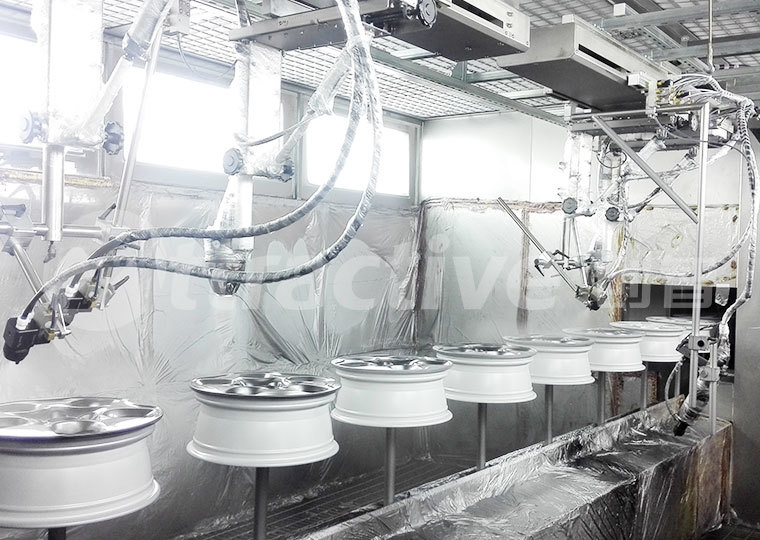
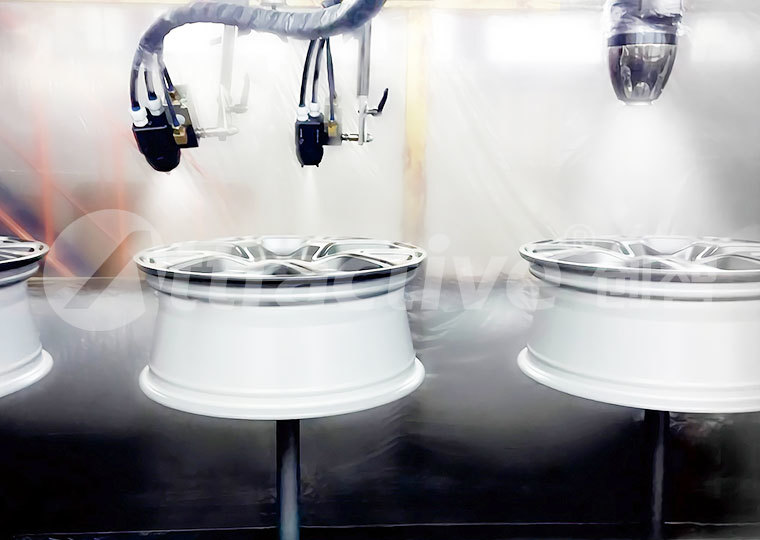
Using spray guns for application provides an even coat and allows for better control over thickness. Various spray techniques, such as HVLP (High Volume Low Pressure) and airless spraying, can be employed based on the coating material.
Dip Coating
Dip coating is a method where the wheel hub is submerged in a coating solution. This technique is ideal for achieving a uniform coating thickness, especially for complex shapes and geometries.
Electrostatic Spraying
Electrostatic spraying enhances the adhesion of powder coatings by applying an electric charge to the powder particles. This method helps achieve a thicker and more uniform coating, reducing waste and improving efficiency.
6. Quality Control in Coating
After applying the coating, rigorous quality control measures must be in place to ensure that the finished product meets industry standards.
Visual Inspection
A thorough visual inspection can help identify any defects, such as uneven finishes or imperfections in color. This step is critical to maintaining high-quality standards in production.
Adhesion Testing
Conducting adhesion tests ensures that the coating has properly bonded to the surface. This can involve tape tests or crosshatch testing to assess the strength of the coating.
Thickness Measurement
Measuring the thickness of the coating is essential for ensuring it meets specified requirements. This can be done using a variety of tools, such as micrometers or non-destructive testing equipment.
7. Common Mistakes to Avoid
Even seasoned professionals can make mistakes in the coating process. Here are some common pitfalls to avoid.
Inadequate Surface Preparation
Skipping the cleaning and preparation steps can lead to poor adhesion and a compromised finish. Take the time to prepare the surface properly to ensure a long-lasting coating.
Incorrect Application Technique
Using the wrong application technique or equipment can affect the quality of the coating. Ensure you're familiar with the equipment and methods best suited for the material you're using.
Neglecting Safety Protocols
Coating materials can contain hazardous substances. Always follow safety protocols, including wearing appropriate personal protective equipment (PPE) and ensuring proper ventilation during application.
8. Frequently Asked Questions
What is the best coating for wheel hubs?
While powder coating is often regarded as the best option due to its durability and finish, the choice depends on specific application requirements and preferences.
How long does a wheel hub coating last?
With proper application and maintenance, a high-quality wheel hub coating can last several years, sometimes even longer in optimal conditions.
Can I apply a new coating over an existing one?
In most cases, it's recommended to remove the existing coating before applying a new one to ensure proper adhesion and prevent issues with the finish.
How do I maintain my coated wheel hubs?
Regular cleaning with mild detergent and water, along with periodic inspections for any signs of wear or damage, can help maintain the appearance and integrity of your coated wheel hubs.
Is professional coating necessary?
While DIY methods can yield satisfactory results, professional coatings often offer better durability and finish, particularly for high-value applications.
9. Conclusion
Perfecting wheel hub coating techniques requires an understanding of materials, preparation, application methods, and quality control. By investing time and resources into mastering these elements, manufacturers and DIY enthusiasts alike can achieve stunning results that enhance both the longevity and appearance of wheel hubs. As the automotive industry continues to evolve, staying abreast of the latest advancements in coating technology will ensure that your products remain competitive and appealing in the market. Through careful planning and execution, the art of wheel hub coating can be perfected, delivering results that exceed expectations.


Contact Us
No.2 Yingbin Avenue, High-tech District, Zhaoqing City, Guangdong Province, China.
Online Message