






















Related News

18
2024
-
08
Crafting Excellence: Mastering the Art of Electrostatic Powder Coating Lines
Author:
Chuangzhi Coating
1. Introduction to Electrostatic Powder Coating
Electrostatic powder coating has revolutionized the finishing process in various industries. This advanced coating technique utilizes charged powder particles to achieve a durable and uniform finish on a wide range of surfaces. As we delve deeper into the art of electrostatic powder coating line, it becomes imperative to understand their significance, functionality, and the myriad of benefits they offer.

2. Benefits of Electrostatic Powder Coating Lines
The benefits of electrostatic powder coating lines are numerous and compelling. They include:
2.1 Environmental Benefits
Electrostatic powder coating is an environmentally friendly option compared to traditional liquid coatings. It emits fewer volatile organic compounds (VOCs) and minimizes hazardous waste, making it compliant with stringent environmental regulations.
2.2 Cost Efficiency
The efficiency of powder coating lines leads to significant cost savings. The overspray can be collected and reused, reducing material waste. Additionally, the durability of the powder-coated finish extends the lifecycle of the coated products, resulting in lower maintenance costs.
2.3 Versatile Applications
From automotive parts to household appliances, electrostatic powder coating is suitable for a wide array of applications. The ability to coat various materials, including metals, plastics, and wood, enhances its versatility.
3. How Electrostatic Powder Coating Works
Understanding the mechanics of electrostatic powder coating is essential for mastering its application. The process primarily involves:
3.1 Preparation
Surface preparation is crucial for achieving optimal results. It involves cleaning, degreasing, and sometimes pretreating the substrate to ensure proper adhesion of the powder.
3.2 Application
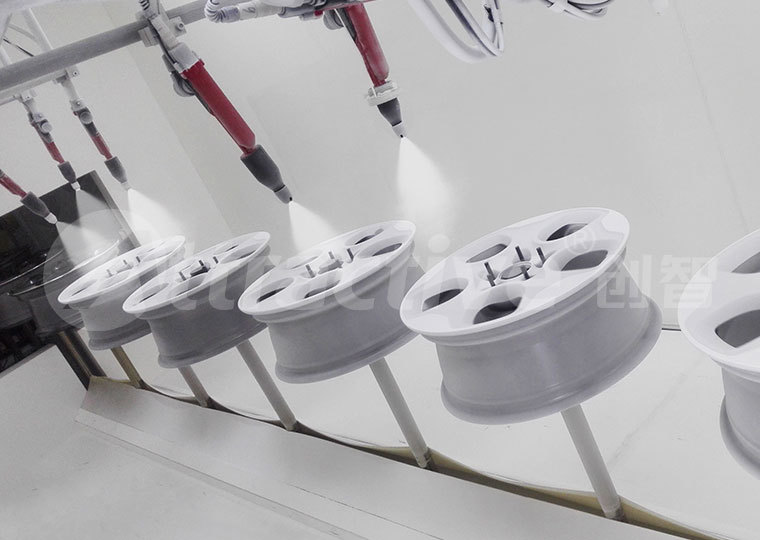
In the application phase, the powder is electrostatically charged and sprayed onto the grounded substrate. The charged particles adhere to the surface due to the electrostatic attraction.
3.3 Curing
After application, the coated item is placed in a curing oven where the heat activates the powder, causing it to melt and flow into a smooth, durable finish. The curing process is critical, as it determines the final properties of the coating.
4. Key Components of Powder Coating Lines
A well-designed electrostatic powder coating line consists of several key components that work together to ensure a smooth operation. These components include:
4.1 Powder Coating Booth
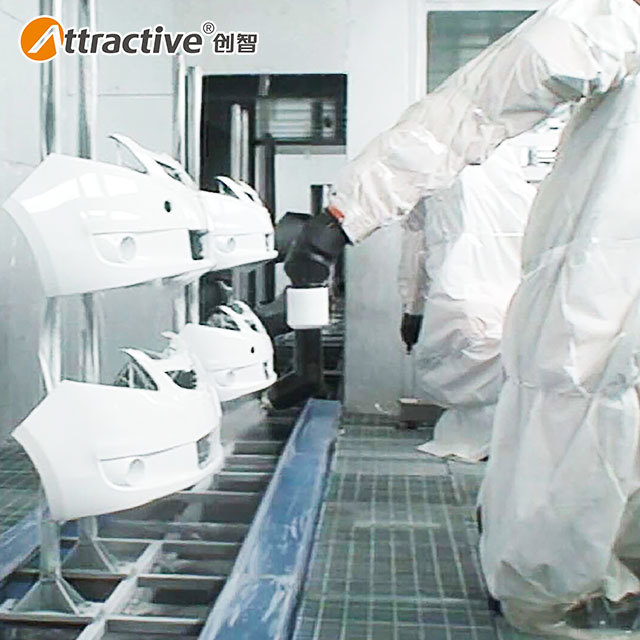
The powder coating booth is where the application takes place. It is designed to contain overspray and ensure a controlled environment for optimal coating.
4.2 Spray Gun
The spray gun is the tool that applies the electrostatically charged powder to the substrate. Different types of guns, such as corona and tribo guns, offer varying levels of efficiency and application quality.
4.3 Curing Oven
The curing oven is essential for the finalization of the powder coating process. It ensures that the coating cures properly, resulting in a strong, resilient finish.
4.4 Recovery System
The recovery system captures oversprayed powder for reuse, promoting material efficiency and reducing waste.
5. Best Practices for Efficient Powder Coating
Implementing best practices is vital for maximizing the efficiency and quality of your electrostatic powder coating lines.
5.1 Regular Maintenance
Routine maintenance of equipment, including cleaning the spray guns and keeping the booth free of excess powder, ensures optimal performance and extends the life of the machinery.
5.2 Training Personnel
Well-trained personnel are crucial for a successful powder coating operation. Training should focus on equipment handling, safety protocols, and troubleshooting common issues.
5.3 Quality Control Checks
Incorporating regular quality control checks will help identify any defects early in the process. This proactive approach prevents costly rework and ensures high standards are met.
6. Common Issues and Troubleshooting Tips
Even with the best practices in place, issues can arise in powder coating operations. Here are some common problems and their solutions:
6.1 Uneven Coating
Uneven coating can result from improper gun settings or poor surface preparation. Adjusting the application parameters and ensuring thorough surface cleaning can resolve this issue.
6.2 Orange Peel Effect
The orange peel effect refers to a bumpy finish. This can occur due to insufficient curing or incorrect powder properties. Ensuring the right curing temperature and time is essential.
6.3 Poor Adhesion
If the powder does not adhere well to the substrate, it may be due to inadequate surface preparation or incorrect powder selection. Evaluate the cleaning process and ensure compatibility with the substrate material.
7. Applications of Electrostatic Powder Coating
Electrostatic powder coating is utilized across various industries, demonstrating its adaptability and effectiveness.
7.1 Automotive Industry
In the automotive sector, powder coating is used for finishing metal parts, ensuring durability and aesthetic appeal while withstanding harsh environmental conditions.
7.2 Furniture and Fixtures
The furniture industry employs powder coating for metal components, providing a wide range of colors and textures that enhance the overall design.
7.3 Electronics
Electrostatic powder coating is also prevalent in the electronics industry, where it provides a protective finish that can withstand wear and tear without compromising functionality.
8. Future Trends in Powder Coating Technology
As technology evolves, so do powder coating techniques. Several trends are shaping the future of electrostatic powder coating:
8.1 Advanced Coating Materials
Research into new coating materials, such as high-temperature and anti-microbial powders, is expanding the capabilities and applications of powder coating.
8.2 Automation and Smart Technology
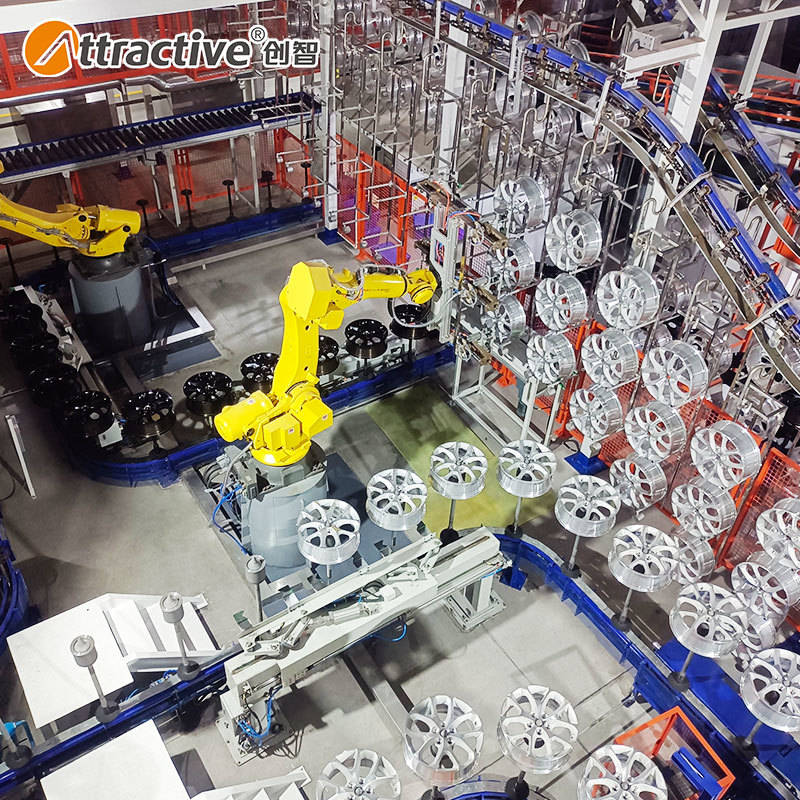
The integration of automation in powder coating lines enhances efficiency and consistency. Smart technology allows for real-time monitoring and adjustments, improving overall performance.
8.3 Sustainability Initiatives
With an increasing focus on sustainability, future powder coating technologies will likely prioritize eco-friendly materials and processes, further reducing environmental impacts.
9. Frequently Asked Questions (FAQs)
FAQ 1: What surfaces can be powder coated?
Powder coating can be applied to a variety of surfaces, including metals, plastics, and even wood, provided they are properly prepared.
FAQ 2: How do I choose the right powder coating?
Selecting the right powder coating depends on the intended use and environment. Consider factors such as durability, finish type, and color.
FAQ 3: Can I powder coat over existing paint?
While it is possible to powder coat over existing paint, thorough surface preparation is essential to ensure proper adhesion.
FAQ 4: What is the typical curing time for powder coating?
Curing times can vary depending on the powder and oven temperature, but most powders cure within 10 to 30 minutes at temperatures between 350°F to 400°F (177°C to 204°C).
FAQ 5: Is electrostatic powder coating safe?
Yes, electrostatic powder coating is generally safe. However, proper safety precautions should be taken, including wearing protective gear and ensuring proper ventilation in the coating area.
10. Conclusion
Mastering the art of electrostatic powder coating lines is essential for achieving exceptional finishes and operational efficiency. By understanding the technology's intricacies, implementing best practices, and staying abreast of industry trends, professionals can craft excellence in their coating processes. As we move forward, the continued evolution and innovation in powder coating technology will only enhance its value across various industries, paving the way for a sustainable and high-quality future in finishing applications.
SEO:


Contact Us
No.2 Yingbin Avenue, High-tech District, Zhaoqing City, Guangdong Province, China.
Online Message