

























Related News

24
2024
-
08
Revolutionizing Industrial Coating: The Future of Robotic Electrostatic Spraying Lines
Author:
Chuangzhi Coating
1. Introduction to Robotic Electrostatic Spraying
In today’s fast-paced industrial landscape, the demand for efficient and high-quality coating processes has never been greater. Robotic electrostatic spraying lines have emerged as a game-changer, leveraging cutting-edge technology to streamline coating operations. This article delves into the intricacies of robotic electrostatic spraying, highlighting its pivotal role in modern manufacturing.
2. The Importance of Coating in Industrial Applications
Coating is crucial across various industries, from automotive to aerospace, furniture to electronics. It serves multiple purposes, including:
- Corrosion protection: Coatings prevent rust and deterioration, extending the lifespan of products.
- Aesthetic enhancement: A well-applied coat improves the visual appeal of products, influencing consumer choice.
- Functional properties: Specialized coatings can provide non-stick, heat-resistant, or antimicrobial properties.
As industries evolve, the need for advanced coating solutions grows, making robotic electrostatic spraying an increasingly attractive option.
3. How Robotic Electrostatic Spraying Works
Understanding the mechanics behind robotic electrostatic spraying can illuminate its advantages.
3.1 The Role of Electrostatic Charge in Coating
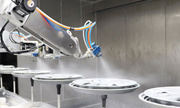
Robotic electrostatic spraying involves charging paint particles, which then adhere better to the surface being coated. The electrostatic charge creates an attractive force between the particles and the substrate, reducing overspray and ensuring a more uniform application. This method significantly enhances coating efficiency and reduces waste.
3.2 Automation in Coating Processes
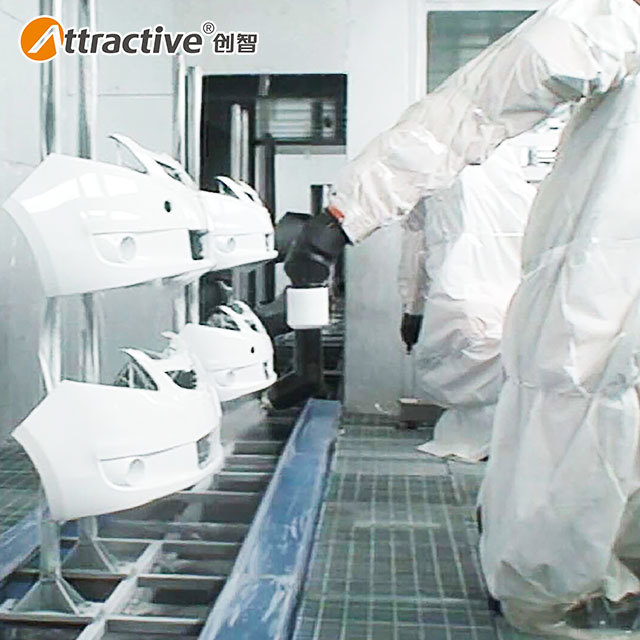
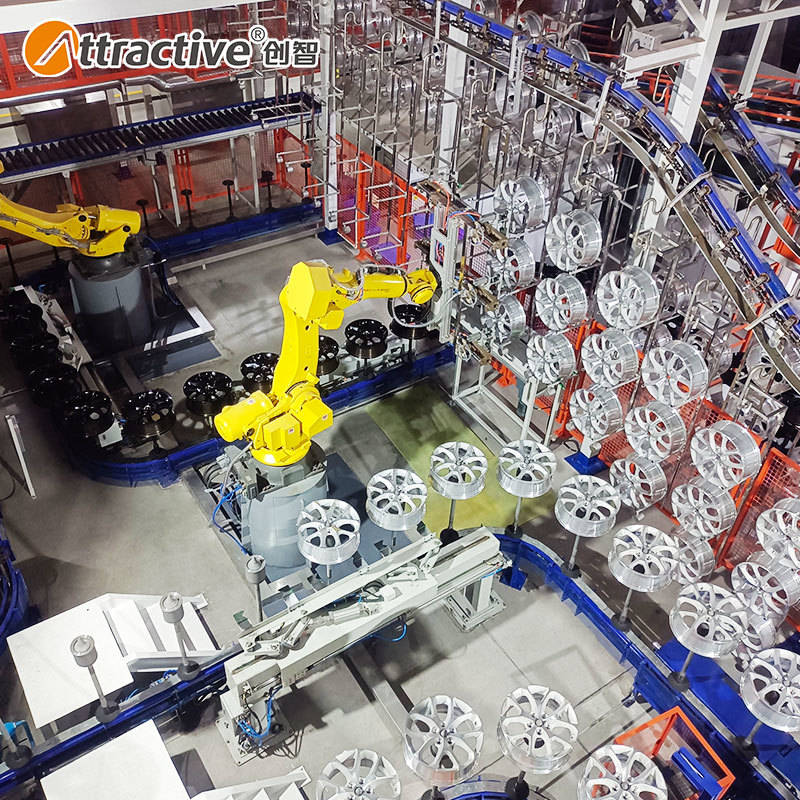
Automation is a cornerstone of modern manufacturing, and robotic electrostatic spraying epitomizes this trend. Robots equipped with advanced programming capabilities can precisely control the spraying process, adjusting parameters in real-time to ensure optimal results. This automation leads to consistent coating quality and reduced labor costs.
4. Key Advantages of Robotic Electrostatic Spraying Lines
The shift towards robotic electrostatic spraying lines is driven by numerous benefits that cater to the evolving demands of the industry.
4.1 Increased Efficiency and Productivity
Robotic systems can operate continuously without the need for breaks, drastically improving productivity. They can also work in environments unsuitable for human workers, further enhancing operational efficiency.
4.2 Enhanced Coating Quality
Robotic spraying offers superior coating quality compared to manual methods. Uniform application, reduced drips, and improved adhesion contribute to a flawless finish. Advanced systems can also adjust spray patterns and pressures for optimal results, ensuring that each part receives the correct amount of coating.
4.3 Environmental Benefits
Robotic electrostatic spraying lines minimize overspray and waste, making them more environmentally friendly than traditional methods. The reduction of volatile organic compounds (VOCs) in the application process also leads to a smaller environmental footprint, aligning with global sustainability goals.
5. Future Trends in Robotic Coating Technology
As technology advances, robotic electrostatic spraying lines are expected to evolve further. Here are some future trends to watch:
5.1 Integration of AI and Machine Learning
The integration of artificial intelligence (AI) and machine learning into robotic systems will enhance their capabilities. These technologies can optimize spraying parameters based on real-time data, leading to even greater efficiency and quality in the coating process.
5.2 Advances in Material Science
The development of new coating materials will drive innovations in robotic electrostatic spraying. Researchers are working on eco-friendly and high-performance coatings that will benefit from the precision of robotic application, further pushing the boundaries of what is possible in industrial coating.
6. Implementing Robotic Electrostatic Spraying in Your Facility
For manufacturers considering the transition to robotic electrostatic spraying lines, careful planning is essential.
6.1 Assessing Your Coating Needs
Before implementation, it is crucial to assess your specific coating requirements. Factors such as the type of materials being coated, production volume, and desired characteristics of the finish should guide your decision.
6.2 Choosing the Right Technology
Selecting the appropriate robotic system is vital. Factors to consider include the robot's compatibility with your materials, the complexity of the coating tasks, and the level of automation desired. Consulting with experts in robotic systems can provide valuable insights into the best options for your facility.
7. Case Studies: Success Stories of Robotic Coating Implementation
Numerous companies across various industries have successfully integrated robotic electrostatic spraying lines into their operations. For example, a leading automotive manufacturer reported a 30% increase in production efficiency and a significant reduction in waste after implementing a robotic coating system. Such case studies provide valuable lessons for other businesses considering similar transitions.
8. FAQs about Robotic Electrostatic Spraying
Q1: What industries benefit most from robotic electrostatic spraying?
A: Industries such as automotive, aerospace, furniture, and electronics significantly benefit from robotic electrostatic spraying due to the high demand for efficient and high-quality coatings.
Q2: How does robotic electrostatic spraying reduce waste?
A: By using electrostatic charge to attract paint particles to the surface, robotic systems minimize overspray and ensure more efficient use of coating materials.
Q3: Are robotic electrostatic spraying lines suitable for all types of coatings?
A: While many types of coatings can be applied using robotic systems, it is essential to assess compatibility with specific materials to achieve optimal results.
Q4: What is the typical ROI for implementing robotic electrostatic spraying?
A: ROI can vary widely based on factors such as production volume and existing processes. However, many companies report significant savings in labor and material costs, often recouping their investment within a few years.
Q5: How does automation impact labor in the coating industry?
A: While automation may reduce the number of manual labor positions, it can create opportunities for more skilled jobs focused on system management and maintenance, ultimately enhancing workforce capabilities.
9. Conclusion
The advent of robotic electrostatic spraying lines marks a pivotal shift in industrial coating practices. These systems offer unparalleled efficiency, superior quality, and reduced environmental impact, making them an essential component of modern manufacturing. As technology continues to evolve, the potential for further advancements in robotic coating processes is immense. By embracing these innovations, manufacturers can stay competitive in an increasingly demanding marketplace, ensuring a future that is not only more efficient but also more sustainable.


Contact Us
No.2 Yingbin Avenue, High-tech District, Zhaoqing City, Guangdong Province, China.
Online Message