












Related News
17
2024
-
09
Unleashing the Power of Non-Stick Paint Coating Line: Revolutionizing Industrial Applications
Author:
Chuangzhi Coating
Introduction to Non-Stick Paint Coating Lines
Non-stick paint coating lines have emerged as a vital component in modern industrial manufacturing. These advanced systems are designed to apply non-stick coatings to various substrates, enhancing their performance and longevity. In this article, we will explore the significance of non-stick coating lines, detailing their advantages, applications, and the technologies driving their evolution.

What is Non-Stick Coating?
Non-stick coatings refer to a type of surface treatment applied to materials, primarily to reduce friction and enhance release properties. These coatings are widely used in cookware, industrial equipment, and machinery, allowing for smoother operation and easier maintenance. The most common materials used in non-stick coatings include polytetrafluoroethylene (PTFE), silicone, and other fluoropolymer-based substances.
Importance of Non-Stick Coatings in Industrial Applications
The importance of non-stick coatings in industrial applications cannot be overstated. These coatings play a crucial role in:
- Reducing Wear and Tear: Non-stick surfaces minimize friction, significantly prolonging the life of machinery and equipment.
- Improving Efficiency: With less friction and resistance, machines operate more efficiently, leading to improved productivity.
- Enhancing Cleanliness: Non-stick coatings make cleaning easier, reducing downtime associated with maintenance.
- Ensuring Product Quality: In manufacturing processes, non-stick surfaces help maintain the integrity of products, preventing sticking and ensuring uniform finishes.
Advantages of Non-Stick Paint Coating Lines
Investing in non-stick paint coating lines offers several advantages for manufacturers:
- Versatility: Non-stick coating lines can be adapted to various substrates and products, making them suitable for numerous applications.
- Cost-Effectiveness: By reducing wear and maintenance costs, non-stick coatings can lead to significant savings over time.
- Environmental Benefits: Many non-stick coatings are designed to be environmentally friendly, aligning with sustainability goals.
- Improved Safety: Non-stick coatings can reduce the risks associated with equipment malfunction, ensuring a safer working environment.
Types of Non-Stick Coatings
There are several types of non-stick coatings available, each with unique properties and applications:
PTFE Coatings
PTFE is perhaps the most recognized non-stick coating, known for its high-temperature resistance and excellent release properties. It is commonly used in cookware and industrial applications.
Silikon Coatings
Silicone coatings provide flexibility and durability, making them ideal for applications that require high elasticity and resistance to extreme temperatures.
Fluoropolymer Coatings
Fluoropolymer coatings offer superior chemical resistance and are suitable for harsh industrial environments, including chemical processing.
Applications of Non-Stick Coatings in Various Industries
Non-stick paint coating lines find applications across diverse industries, each benefiting from the unique properties of these coatings:
Food Processing
In the food industry, non-stick coatings are essential for cookware, baking trays, and food processing equipment to ensure easy release and safe food handling.
Aerospace and Automotive
In aerospace and automotive manufacturing, non-stick coatings are used on components to reduce friction and enhance performance, contributing to overall efficiency.
Electronics
Non-stick coatings are also used in electronics manufacturing for components that require protection against dust and debris, ensuring optimal functionality.
Medical Devices
In the medical field, non-stick coatings are crucial for surgical instruments and devices, allowing for easy cleaning and reducing the risk of contamination.
Key Components of a Non-Stick Paint Coating Line
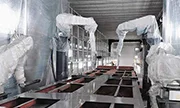
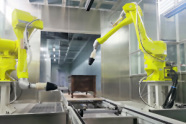
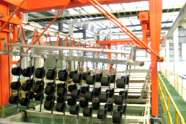
A non-stick paint coating line consists of several key components that work together to deliver high-quality finishes:
Pre-Treatment Systems
Pre-treatment systems prepare the substrate surface for coating by removing contaminants and improving adhesion.
Coating Application Units
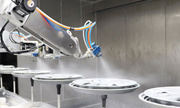
These units apply the non-stick coating using methods such as spraying, dipping, or electrostatic application, ensuring even coverage.
Curing Ovens
Curing ovens utilize heat to bond the coating to the substrate, enhancing durability and performance.
Quality Control Systems
Quality control systems monitor the coating process, ensuring that each product meets industry standards and specifications.
Maintenance and Best Practices for Coating Lines
To maximize the lifespan and effectiveness of non-stick paint coating lines, regular maintenance is essential. Here are some best practices:
- Routine Inspections: Conduct regular inspections of equipment to identify wear and tear and address issues promptly.
- Proper Cleaning Procedures: Implement cleaning protocols to prevent contamination and maintain the integrity of the coating process.
- Training Staff: Ensure that all staff members are trained in operating the coating line and understanding maintenance requirements.
Future Trends in Non-Stick Coatings
The future of non-stick coatings is bright, with emerging trends that promise to enhance their performance and applications:
- Biodegradable Coatings: As sustainability becomes a priority, the development of biodegradable non-stick coatings is on the rise.
- Advanced Technologies: Innovations in nanotechnology and material science are paving the way for more efficient and effective non-stick coatings.
- Smart Coatings: The integration of smart technologies into coatings could enable real-time monitoring and enhanced performance.
Conclusion
In conclusion, non-stick paint coating lines are revolutionizing industrial applications by providing enhanced efficiency, durability, and product quality. As industries continue to embrace these technologies, the benefits of non-stick coatings will only grow. Investing in advanced non-stick coating lines is essential for manufacturers seeking to improve their operations and maintain a competitive edge.
Frequently Asked Questions
1. What are the main benefits of using non-stick coatings in my manufacturing process?
Non-stick coatings reduce friction, enhance product quality, improve efficiency, and prolong the lifespan of equipment, leading to cost savings and higher productivity.
2. Can non-stick coatings be applied to any material?
While non-stick coatings can be applied to various substrates, the specific coating type must be chosen based on the material and application requirements.
3. How do I maintain a non-stick paint coating line?
Regular inspections, proper cleaning procedures, and staff training are crucial for maintaining a non-stick paint coating line's effectiveness.
4. Are there eco-friendly non-stick coatings available?
Yes, many manufacturers are now developing biodegradable and environmentally friendly non-stick coatings to meet sustainability goals.
5. What industries benefit most from non-stick paint coating lines?
Industries such as food processing, aerospace, automotive, electronics, and medical devices are among those that benefit significantly from non-stick coatings.
SEO:



Contact Us
No.2 Yingbin Avenue, High-tech District, Zhaoqing City, Guangdong Province, China.
Online Message