














10
2025
-
02
Innovative Coating Technology: Unveiling the Advantages of Non-Stick Paint Spraying for Industrial Applications
Author:
Chuangzhi Coating
1. Introduction to Non-Stick Paint Spraying Technology
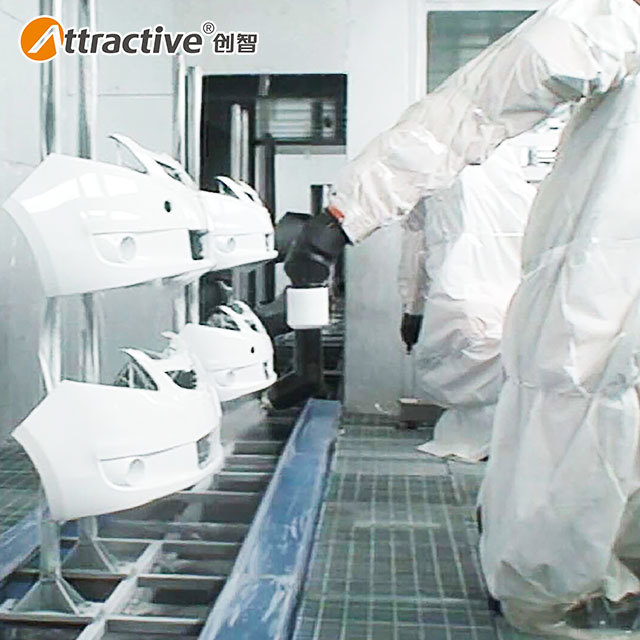
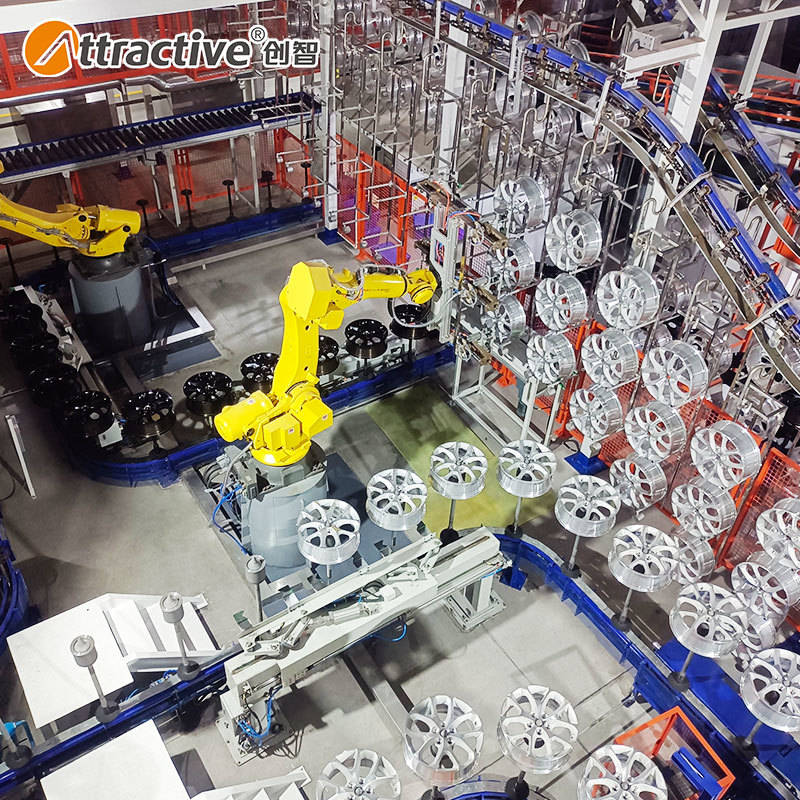
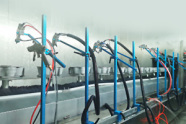
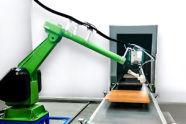
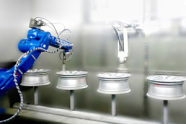
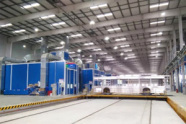
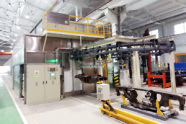
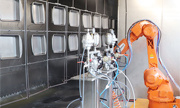
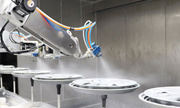
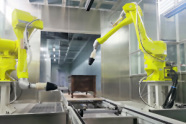
Non-stick paint spraying production line has gained traction in various industrial sectors, ranging from automotive to food processing. This innovative approach utilizes advanced materials that create a smooth, non-adhesive surface on equipment and components, significantly reducing the friction between surfaces. By minimizing material buildup and simplifying cleaning processes, non-stick coatings provide substantial operational advantages.

2. What is Non-Stick Coating?
Non-stick coatings are engineered surfaces designed to repel substances, preventing adhesion and buildup. These coatings are typically composed of polytetrafluoroethylene (PTFE), silicone, or ceramic materials. When applied through advanced spraying techniques, they form a uniform layer that enhances the functionality and longevity of the underlying substrate. The versatility of non-stick coatings makes them suitable for numerous applications, ensuring operational efficiency across various industries.
3. Key Benefits of Non-Stick Coatings
3.1 Enhanced Durability
One of the most significant advantages of non-stick coatings is their enhanced durability. These coatings provide a protective layer that resists wear and tear from mechanical processes, chemical exposure, and extreme temperatures. By extending the lifespan of equipment and components, businesses can minimize replacement costs and reduce downtime associated with repairs.
3.2 Improved Efficiency
Non-stick coatings lead to improved efficiency in production processes. By reducing material adhesion, non-stick surfaces facilitate smoother operation of machinery, allowing for faster cycle times and increased throughput. The need for frequent maintenance decreases, enabling operators to focus on productivity rather than equipment upkeep.
3.3 Cost-Effectiveness
Although the initial investment in non-stick paint spraying technology may be higher than traditional coatings, the long-term cost-effectiveness is undeniable. Businesses benefit from lower maintenance costs, reduced downtime, and extended equipment lifespan. These factors contribute to a higher return on investment (ROI) over time, making non-stick coatings a financially savvy choice.
3.4 Positive Environmental Impact
Non-stick coatings contribute to a positive environmental impact by reducing the need for harsh cleaning chemicals and extensive waste disposal. The easy-to-clean surfaces minimize resource consumption and eliminate the use of toxic substances, aligning with sustainability goals. This eco-friendly approach not only benefits the environment but also enhances a company's reputation as a responsible entity.
4. Applications of Non-Stick Paint Spraying Technology
The applications of non-stick paint spraying technology are diverse, catering to various industries. Some prominent examples include:
- Food Processing: Non-stick coatings ensure easy release of food products, enhancing hygiene and reducing waste.
- Aerospace: Lightweight and durable coatings contribute to fuel efficiency and performance of aircraft components.
- Automotive: Non-stick coatings protect critical engine parts from corrosion and wear, improving overall vehicle performance.
- Pharmaceuticals: Non-stick surfaces facilitate easier cleaning and compliance with stringent regulatory standards.
- Textile Machinery: Coated components enhance fabric processing and prevent material jams.
5. Comparative Advantages Over Traditional Coatings
When compared to traditional coatings, non-stick paint spraying technology boasts numerous advantages, including:
- Reduced Friction: Non-stick coatings minimize friction, enhancing the performance of moving parts.
- Lower Maintenance Needs: The ease of cleaning and reduced built-up material means less frequent maintenance is required.
- Versatility: Non-stick coatings can be customized for various applications and environments.
- Improved Aesthetics: Non-stick coatings often provide a sleek and polished look, enhancing the appearance of equipment.
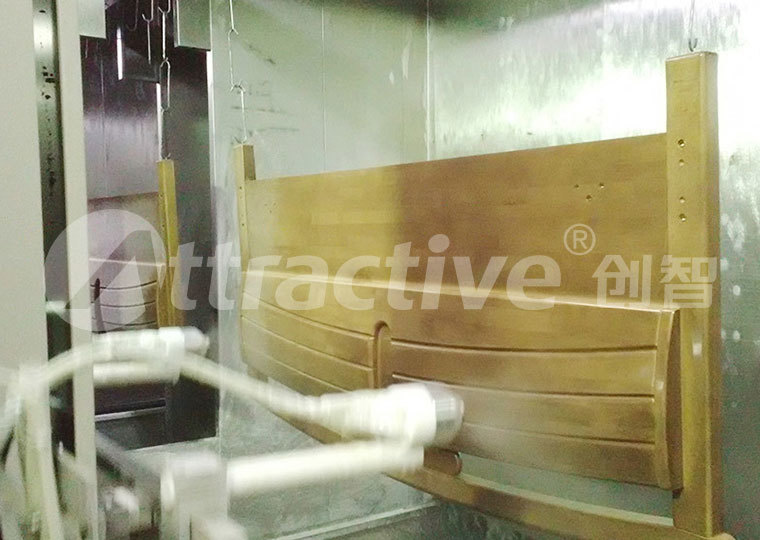
6. Future Trends in Non-Stick Coating Technology
The future of non-stick coating technology is promising, with ongoing advancements poised to enhance its efficacy and application scope. Innovations in material science may lead to the development of eco-friendly formulations that improve sustainability without sacrificing performance. Additionally, the integration of smart technology may enable real-time monitoring of coated surfaces, further optimizing maintenance schedules and operational efficiency.
7. Frequently Asked Questions
What are the main advantages of non-stick paint spraying technology?
The primary advantages include enhanced durability, improved efficiency, cost-effectiveness, and a positive environmental impact.
How long do non-stick coatings last?
With proper application and maintenance, non-stick coatings can last several years, significantly extending the lifespan of the underlying equipment.
Are non-stick coatings safe for food processing?
Yes, many non-stick coatings are specifically designed for food processing applications and meet stringent safety and regulatory standards.
Can non-stick coatings be applied to all materials?
While non-stick coatings can be applied to various materials like metal, plastic, and ceramics, the substrate's compatibility should be evaluated for optimal performance.
How do I maintain surfaces coated with non-stick paint?
Maintaining non-stick surfaces is straightforward; regular cleaning with non-abrasive methods is typically sufficient to preserve their performance.
8. Conclusion
Non-stick paint spraying technology represents a significant advancement in industrial coatings, offering numerous benefits that enhance operational efficiency, longevity, and sustainability. By utilizing innovative non-stick coatings, businesses can optimize their production processes, reduce costs, and contribute to environmental conservation. As technology continues to evolve, the potential applications and advantages of non-stick coatings will only expand, making them an invaluable asset in modern industrial settings. Embracing these innovations is key to staying competitive in an ever-changing marketplace.


Contact Us
No.2 Yingbin Avenue, High-tech District, Zhaoqing City, Guangdong Province, China.
Online Message