













Related News

03
2025
-
02
The Evolution of Industrial Coating: Insights into Non-Stick Pan Coating Lines
Author:
Chuangzhi Coating
1. Introduction to Industrial Coating Technologies
Industrial coating technologies have undergone significant transformations over the years, primarily driven by the demands for improved performance, sustainability, and versatility. In this article, we will focus on the non-stick pan coating line, a critical sector within the industrial coating industry. Non-stick coatings are not merely a convenience; they enhance the functionality and longevity of cookware, making them a staple in both domestic and professional kitchens worldwide.
2. A Historical Perspective on Coating Technologies
The journey of industrial coatings can be traced back to ancient civilizations, where primitive methods were used to enhance the durability of cooking implements. However, the modern era of industrial coatings began in the mid-20th century when manufacturers started to experiment with synthetic materials. The introduction of polytetrafluoroethylene (PTFE), commonly known as Teflon, in the 1950s revolutionized non-stick coating technologies. This innovation set off a wave of advancements in coating lines, enabling manufacturers to produce non-stick pans that were easier to clean and required less oil for cooking.
As technology progressed, so did the complexity and sophistication of coating lines. Manufacturers began integrating automated systems, which improved efficiency and consistency across batches. This era marked the beginning of an increased emphasis on quality control and product safety, leading to the development of various non-stick formulations designed to meet consumer needs.
3. Understanding Non-Stick Coating Technologies
Non-stick coatings typically involve a combination of polymers that create a smooth, slick surface, reducing food adherence. The primary materials used include PTFE and ceramic-based coatings. Each type has unique properties, catering to different cooking preferences and requirements.
PTFE Coatings
PTFE has become synonymous with non-stick technology. Its chemical structure allows it to withstand high temperatures, making it ideal for frying pans and cookware. The application of PTFE requires specific techniques, including electrostatic spraying and sintering, to ensure a uniform coating that adheres well to the substrate.
Ceramic Coatings
Ceramic coatings have emerged as a popular alternative to traditional PTFE coatings. These coatings are derived from inorganic materials, providing a more eco-friendly option. They are often marketed as being free from harmful chemicals and are known for their high heat resistance. However, the longevity and durability of ceramic coatings can vary significantly based on the manufacturing process and the quality of the materials used.
4. The Coating Process: Steps and Innovations
The non-stick pan coating process involves several critical steps to ensure that the final product meets quality and performance standards.
Surface Preparation
Proper surface preparation is vital for achieving optimal adhesion. This may include cleaning, sanding, and applying a primer layer to enhance the bond between the cookware and the coating.
Application Techniques
Various application methods have evolved, including:
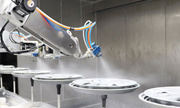
- Spraying: Utilized for its ability to create a thin, even layer.
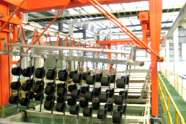
- Dipping: Best for mass production, where cookware is submerged in a coating solution.
- Roller Coating: Used for large surfaces, ensuring a consistent layer across the product.
Curing Process
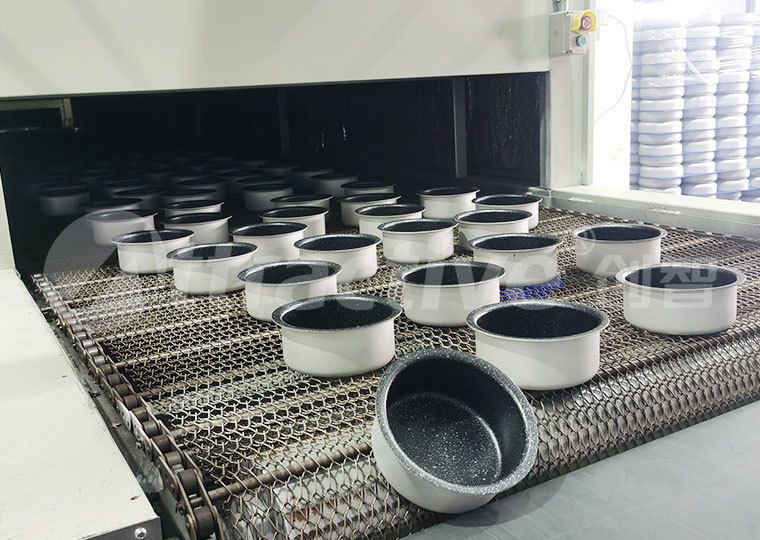
The curing stage is essential for bonding the coating to the substrate. This typically involves heating the coated cookware in an oven, allowing the coating to bond chemically and physically to the surface.
Quality Control
With advancements in technology, manufacturers can implement stringent quality control measures, such as automated inspections and testing for adhesion, durability, and non-stick properties.

5. Materials Used in Non-Stick Pan Coating Lines
The choice of materials plays a crucial role in the performance and safety of non-stick coatings. Manufacturers often select materials based on factors like thermal stability, chemical resistance, and ease of application. Here’s a closer look at the primary materials used in non-stick pan coating lines:
Polymers
Apart from PTFE, other polymers such as polyether ether ketone (PEEK) and polyamide (PA) are gaining traction due to their high-performance characteristics. These materials can withstand higher temperatures and offer enhanced durability.
Additives
Manufacturers often incorporate additives to improve the properties of the coatings. These may include:
- Reinforcements: Such as titanium or aluminum oxides to enhance scratch resistance.
- Surfactants: Used to improve the application process and reduce surface tension.
Coating Systems
The overall effectiveness of a non-stick coating line can depend on the coating system employed. Advanced systems can regulate temperature, humidity, and application pressure, ensuring a high level of consistency in the final product.
6. Environmental Considerations in Industrial Coating
As the industrial coating sector evolves, so does its commitment to sustainability. The environmental impact of coating processes has come under scrutiny, prompting manufacturers to seek eco-friendly alternatives.
Solvent-Free Coatings
The shift towards solvent-free coatings has gained momentum, reducing volatile organic compounds (VOCs) emitted during the application process. By using water-based or powder coatings, manufacturers can minimize their environmental footprint.
Recycling and Waste Reduction
Innovative recycling programs and waste reduction strategies are being implemented in coating lines to promote sustainability. These efforts can include reclaiming overspray from coating processes and reusing materials wherever possible.
7. Future Trends in Industrial Coating Technologies
The future of industrial coating technologies is promising, with several trends expected to shape the industry:
Smart Coatings
Smart coatings that can change properties in response to temperature, humidity, or other environmental factors are on the horizon. These innovative solutions could enhance the functionality and longevity of non-stick pans significantly.
Nanotechnology
Nanotechnology is another area of interest, with potential applications enhancing the durability and non-stick properties of coatings. Nanoparticles can provide superior thermal and mechanical properties, leading to longer-lasting cookware.
Sustainable Practices
As consumer awareness of sustainability grows, the demand for environmentally friendly coatings will likely increase. Manufacturers will need to adapt to these changing preferences to remain competitive.
8. Conclusion
The evolution of industrial coating technologies, particularly in non-stick pan coating lines, reflects a broader trend towards innovation, quality, and sustainability. As we explore the complexities of coating processes, materials, and emerging technologies, it becomes evident that the industry is poised for continued growth and transformation.
By adopting eco-friendly practices and embracing new technologies, manufacturers can not only meet consumer demands but also contribute to a more sustainable future in cookware manufacturing. The journey of industrial coatings is far from over, and it will be exciting to witness where this evolution leads next.
9. Frequently Asked Questions
Q1: What are the benefits of non-stick coatings in cookware?
A1: Non-stick coatings provide several advantages, including easy food release, reduced need for cooking oil, and simplified cleaning processes. They enhance the cooking experience and make cookware more versatile.
Q2: Are ceramic coatings better than PTFE coatings?
A2: Ceramic coatings are a great alternative to PTFE for those seeking eco-friendly options. However, PTFE coatings generally offer better non-stick properties and durability. The choice depends on personal preferences and cooking needs.
Q3: How do manufacturers ensure the safety of non-stick coatings?
A3: Manufacturers conduct rigorous testing for safety and performance, including checking for harmful chemicals and ensuring that coatings adhere effectively to cookware. Compliance with safety regulations is essential.
Q4: What innovations are expected in the future of non-stick coatings?
A4: Future innovations may include smart coatings, nanotechnology, and the development of even more sustainable materials and practices, which will enhance durability and performance while reducing environmental impact.
Q5: Can non-stick coatings be repaired if damaged?
A5: Generally, once a non-stick coating is damaged, it cannot be effectively repaired. It is usually recommended to replace the cookware if significant wear or damage occurs to the coating.


Contact Us
No.2 Yingbin Avenue, High-tech District, Zhaoqing City, Guangdong Province, China.
Online Message