











Related News

07
2025
-
04
Unleashing the Potential of Non-Stick Coating Equipment: A Comprehensive Guide
Author:
Chuangzhi Coating
Introduction to Non-Stick Coating Equipment
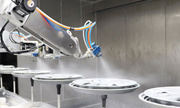
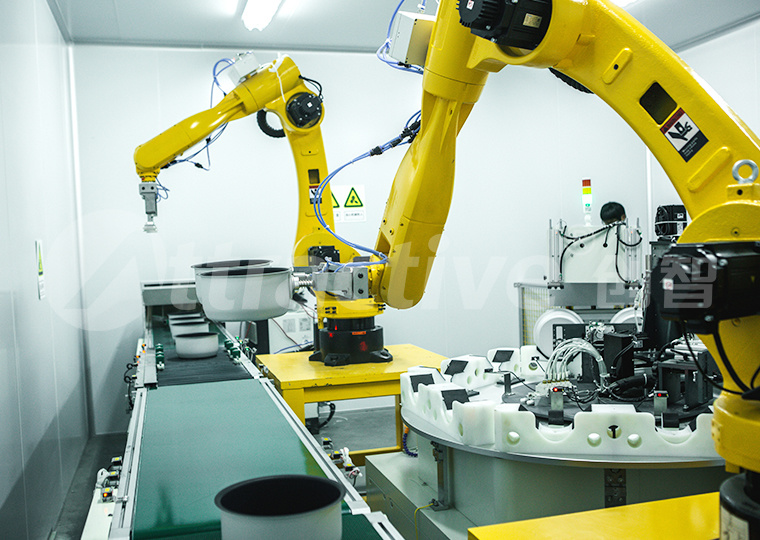
Non-stick pan spraying production line has become an essential component in various industries, particularly in manufacturing and production lines. The evolution of these technologies has led to significant improvements in efficiency, product quality, and operational cost savings. In this article, we will explore the potential of non-stick coating equipment, its applications, benefits, and how to choose the right solutions for your manufacturing needs.
Understanding Non-Stick Coating Technology
The term "non-stick coating" refers to a surface treatment that allows materials to resist adhesion to other substances, making it easier to release products from molds or surfaces. Non-stick coatings are commonly used in cookware, machinery, and various industrial applications. These coatings are typically made from materials such as polytetrafluoroethylene (PTFE), silicone, or other advanced polymers that provide excellent non-stick properties.
Types of Non-Stick Coatings
There are several types of non-stick coatings available in the market, each designed for specific applications and environments. Understanding these options is critical for selecting the right equipment.
1. PTFE Coatings
PTFE coatings are well-known for their exceptional non-stick properties and high-temperature resistance. They are commonly used in cookware but are also applicable in industrial settings, including conveyor systems and processing equipment.
2. Silicone Coatings
Silicone-based coatings offer flexibility and durability, making them suitable for various applications. They are often used in industries requiring heat resistance and chemical stability.
3. Ceramic Coatings
Ceramic coatings provide a non-stick surface with excellent scratch resistance. These coatings are becoming increasingly popular in cooking applications and industrial machinery.
4. Composite Coatings
Composite coatings combine multiple materials to enhance performance characteristics, such as abrasion resistance and enhanced release properties. They are ideal for demanding industrial environments.
The Benefits of Non-Stick Coating Equipment
Utilizing non-stick coating equipment can lead to numerous advantages for manufacturers, particularly in enhancing production efficiency and product quality.
1. Improved Product Quality
Non-stick coatings ensure a smooth release of products from molds or surfaces, leading to fewer defects and improved overall product quality. This can increase customer satisfaction and reduce waste.
2. Enhanced Efficiency
With non-stick surfaces, manufacturers often experience reduced downtime during production. Products can be released more quickly, leading to shorter cycle times and increased output.
3. Cost-Effectiveness
Investing in non-stick coating technology can reduce the need for excessive lubrication and maintenance. The longevity and durability of these coatings mean lower replacement and operational costs over time.
4. Versatility in Applications
Non-stick coating equipment can be utilized across various industries, including food processing, automotive, aerospace, and consumer goods. This versatility makes it an attractive option for multiple manufacturing processes.
Applications of Non-Stick Coating Equipment
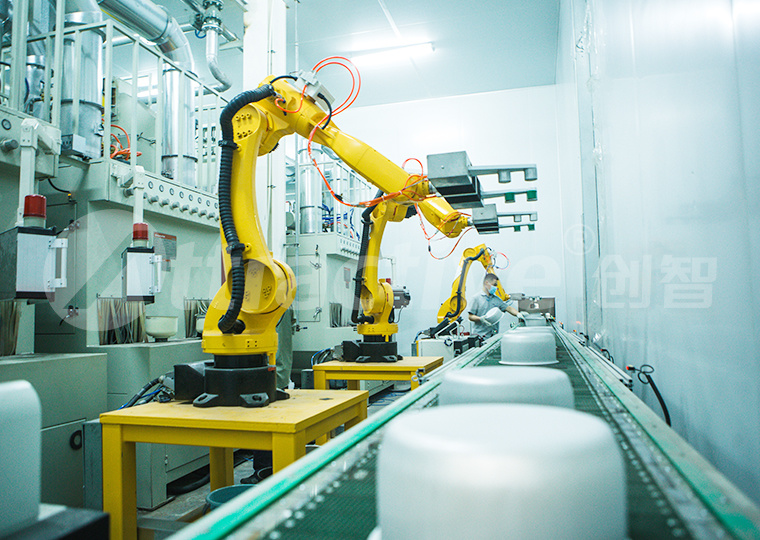
Non-stick coating technology finds applications in numerous industrial sectors, enhancing efficiency and quality.
1. Food Industry
In the food industry, non-stick coatings are crucial for cookware and food processing equipment. They prevent food from sticking, making cleaning easier and ensuring food safety.
2. Automotive Industry
Non-stick coatings are used in automotive components to reduce friction and wear. This leads to improved performance and longevity of critical parts, such as engine components and transmission systems.
3. Aerospace Industry
In aerospace applications, non-stick coatings are essential for components exposed to extreme temperatures and harsh environments. They provide protection against corrosion and enhance performance.
4. Electronics Manufacturing
Non-stick coatings are also utilized in electronics manufacturing to protect components from solder and other adhesive materials, promoting better assembly processes.
Choosing the Right Non-Stick Coating Equipment
Selecting the appropriate non-stick coating equipment is crucial for optimizing your production line. Here are some key factors to consider:
1. Application Requirements
Evaluate the specific needs of your production process. Different coatings offer varied properties, so identifying the right one is essential for achieving the desired results.
2. Equipment Compatibility
Ensure that the non-stick coating equipment is compatible with your existing machinery. This will help you avoid potential issues during installation and operation.
3. Supplier Reputation and Support
Choose a reputable supplier with a proven track record in providing non-stick coating solutions. Consider their customer support and service options to ensure a smooth purchasing process.
4. Cost vs. Performance
While cost is always a consideration, it is important to balance it with the performance and longevity of the coating equipment. Investing in high-quality equipment often pays off in the long run.
Best Practices for Non-Stick Coating Applications
Implementing best practices in non-stick coating applications can further maximize the benefits of your equipment.
1. Regular Maintenance
Ensure that your coating equipment is regularly maintained. This includes cleaning and inspecting components to avoid potential issues that could affect performance.
2. Proper Handling of Coated Products
Train employees on the proper handling of non-stick coated products to prevent damage or degradation of the coating. This will help maintain the integrity and effectiveness of the coating.
3. Monitoring Coating Thickness
Keep track of the thickness of non-stick coatings applied to products. Consistency in coating thickness can lead to uniform performance and quality.
4. Staying Updated on Technology
Continuously research advancements in non-stick coating technology. Emerging innovations may offer improved performance or new applications that can benefit your manufacturing process.
Future Trends in Non-Stick Coating Technology
The landscape of non-stick coating technology is continually evolving. Staying informed about future trends can help businesses remain competitive in their respective industries.
1. Eco-Friendly Coatings
The shift towards sustainability is driving the development of eco-friendly non-stick coatings that minimize environmental impact while maintaining performance.
2. Enhanced Durability
Future innovations may focus on creating non-stick coatings that offer even greater durability, extending the lifespan of coated products and reducing the frequency of replacements.
3. Smart Coating Technologies
Integration of smart technologies in non-stick coatings may enable real-time monitoring of performance, leading to predictive maintenance and optimized production efficiency.
FAQs About Non-Stick Coating Equipment
1. What is the primary function of non-stick coating equipment?
Non-stick coating equipment is designed to apply surface treatments that prevent materials from adhering, facilitating easier product release and improving overall production efficiency.
2. How do I maintain non-stick coating equipment?
Regular maintenance involves cleaning, inspecting, and ensuring that all components are functioning properly to prevent any operational issues.
3. What industries benefit the most from non-stick coatings?
Industries such as food processing, automotive, aerospace, and electronics manufacturing greatly benefit from non-stick coatings due to their versatility and performance-enhancing properties.
4. Can non-stick coatings be applied to all materials?
While non-stick coatings can be applied to various substrates, it's essential to choose the right type of coating based on the material and application requirements.
5. Are non-stick coatings safe for food contact?
Many non-stick coatings are specifically designed for food contact and comply with safety regulations. Always ensure that the coating used meets relevant safety standards.
Conclusion
The potential of non-stick coating equipment is vast, offering a myriad of benefits that can enhance production processes across various industries. By understanding the types of coatings available, their applications, and best practices for use, manufacturers can leverage this technology to improve product quality, efficiency, and cost-effectiveness. As the industry evolves, staying informed about new advancements and trends will be crucial for maintaining a competitive edge. Investing in high-quality non-stick coating solutions not only streamlines production but also contributes to long-term success in today’s fast-paced manufacturing landscape.


Contact Us
No.2 Yingbin Avenue, High-tech District, Zhaoqing City, Guangdong Province, China.
Online Message