













Related News

17
2024
-
10
Innovative Coating Techniques: Redefining Non-Stick Pan Spraying Performance
Author:
Chuangzhi Coating
1. Introduction to Non-Stick Coatings
The culinary world has long been transformed by the introduction of non-stick pan spraying production line, particularly frying pans. These coatings allow for easy food release, making cooking and cleaning more efficient. In recent years, innovative coating techniques have emerged, pushing the boundaries of what is possible in non-stick technology, enhancing performance and user experience.

2. The Science Behind Non-Stick Coatings
Understanding the science behind non-stick coatings is vital. Non-stick surfaces reduce friction, which prevents food from adhering during cooking. This is primarily achieved through the use of materials with low surface energy. Research and development in this field have led to numerous advancements, thereby enabling manufacturers to create more effective and durable non-stick products.
3. Types of Non-Stick Coatings
Non-stick coatings come in various forms, each with unique properties and advantages.
3.1 PTFE Coatings
Polytetrafluoroethylene (PTFE) is one of the most widely used non-stick coatings. It is well-known for its remarkable heat resistance and superb non-stick properties. However, as environmental concerns grow, the usage of PTFE is scrutinized due to its production process and potential health risks.
3.2 Ceramic Coatings
Ceramic coatings have gained popularity as a safer alternative to PTFE. These coatings are derived from natural materials and provide excellent non-stick properties along with high-temperature resistance. They are also free from harmful chemicals like PFOA, making them a more eco-friendly option for consumers.
3.3 Silicone Coatings
Silicone-based non-stick coatings are versatile and can be used across a variety of cookware. They offer good heat resistance and easy cleaning but may not provide the same longevity as PTFE or ceramic coatings. Silicone coatings are often used in bakeware and specialty cookware.
4. Innovative Spraying Techniques
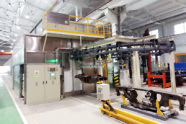
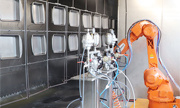
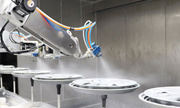
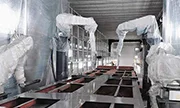
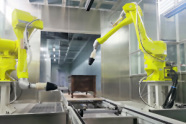
The application of non-stick pan spraying production line involves sophisticated techniques that significantly enhance coating performance and durability.
4.1 Electrostatic Spraying
Electrostatic spraying involves charging particles of the coating material so they adhere better to the substrate. This process ensures an even, consistent coating that reduces waste and improves coverage, leading to better overall performance of the non-stick surface.
4.2 Airless Spraying Technology
Airless spraying technology utilizes high pressure to atomize the coating material, allowing for a fine, controlled spray. This technique minimizes overspray and maximizes efficiency, making it an ideal choice for high-volume production environments where speed and accuracy are paramount.
5. Benefits of Advanced non-stick pan spraying production line
The adoption of innovative spraying techniques and materials brings forth numerous benefits:
- Enhanced Durability: New coating techniques result in non-stick surfaces that can withstand higher temperatures and resist scratches.
- Improved Safety: Advanced coatings are often free from harmful chemicals, making them safer for food contact.
- Better Performance: Innovations lead to coatings that provide superior non-stick properties, ensuring food releases easily and uniformly.
6. Environmental Concerns and Solutions
As awareness of environmental issues rises, the coatings industry has sought to address concerns related to traditional non-stick coatings. Manufacturers are increasingly opting for sustainable materials and eco-friendly production processes. Research is ongoing to develop biodegradable and non-toxic coatings that align with consumer values without compromising performance.

7. Future Trends in Non-Stick Coating Technologies
The future of non-stick coating technologies looks promising, with several trends shaping the industry:
- Smart Coatings: The development of smart coatings that can change properties based on temperature or chemical exposure is on the horizon.
- Nanotechnology: Incorporating nanomaterials into coatings can enhance their properties, providing better resistance to wear and tear.
- Sustainability: We expect to see a continued shift toward greener production methods and materials, as consumers demand safer and more environmentally friendly products.
8. FAQs
Q1: Are non-stick coatings safe for cooking?
A1: Yes, most modern non-stick coatings are safe for cooking, especially those that are free from harmful chemicals such as PFOA. Always check product specifications.
Q2: How should I care for non-stick pans?
A2: Use wooden or silicone utensils to avoid scratches, and wash the pans with gentle sponges and mild detergents to prolong their lifespan.
Q3: Can I use high heat on non-stick pans?
A3: While many non-stick pans can withstand moderate to high heat, avoid overheating them as it can degrade the coating.
Q4: How long do non-stick coatings last?
A4: The lifespan of non-stick coatings varies based on usage and care, but high-quality coatings can last several years if properly maintained.
Q5: What is the best non-stick coating for health-conscious consumers?
A5: Ceramic coatings are often recommended for health-conscious consumers, as they are typically free from toxic chemicals and provide good non-stick performance.
9. Conclusion
Innovative coating techniques are transforming the landscape of non-stick pan spraying production line, enhancing their performance, safety, and environmental sustainability. By understanding the types of coatings available, the technology behind their application, and the benefits they provide, consumers and manufacturers can make informed decisions. As the industry continues to evolve, the future of non-stick cookware promises even more exciting developments that will redefine culinary experiences.


Contact Us
No.2 Yingbin Avenue, High-tech District, Zhaoqing City, Guangdong Province, China.
Online Message