



















Related News

05
2024
-
10
The Efficiency Advantage: Boosting Output with Electrostatic Powder Coating Lines
Author:
Chuangzhi Coating
What is Electrostatic Powder Coating?
Electrostatic powder coating line is a dry finishing technique that applies a powdered paint to a surface using electrostatic charge. Unlike traditional liquid coatings, powder coatings are free of solvents, making them more environmentally friendly. The powder particles are electrically charged, allowing them to adhere to the grounded object being coated. Once applied, the coated item is heated in an oven, which cures the powder into a durable, high-quality finish.

How Does Electrostatic Powder Coating Work?
The process involves several key steps:
- Preparation: The workpiece is cleaned and pre-treated to ensure optimal adhesion of the powder. This step may involve removing rust, grease, or other surface contaminants.
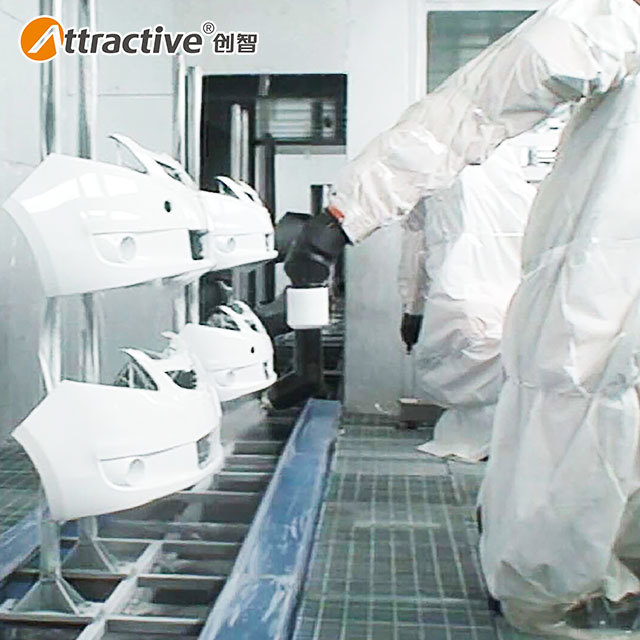
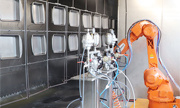
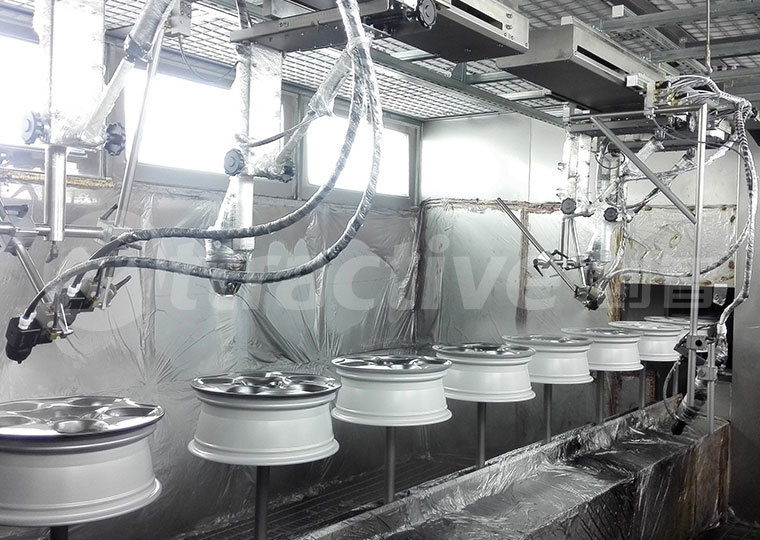
- Application: The powder coating is applied using an electrostatic spray gun. The gun imparts a positive charge to the powder particles, while the workpiece is grounded, creating an attractive force that ensures even coverage.
- Curing: After application, the coated piece is transferred to a curing oven. Here, the heat melts the powder, allowing it to flow and form a continuous film. Once cooled, the coating hardens into a tough, resilient layer.
Benefits of Electrostatic Powder Coating Lines
Electrostatic powder coating lines offer a multitude of advantages that boost manufacturing efficiency:
- High Transfer Efficiency: Powder coating lines achieve transfer efficiency rates ranging from 80% to 95%, significantly reducing material waste compared to traditional liquid systems.
- Durability: The resulting finish is highly resistant to scratching, chipping, fading, and wearing, ensuring longer-lasting products.
- Environmentally Friendly: With zero volatile organic compounds (VOCs), powder coating is a more sustainable option that meets stringent environmental regulations.
- Versatility: Available in a wide variety of colors and finishes, powder coatings can be tailored to meet specific aesthetic and performance requirements.
- Cost-Effectiveness: While the initial investment in equipment may be high, the long-term savings from reduced material usage and lower labor costs make it economically beneficial.
Key Applications of Powder Coating
Electrostatic powder coating is utilized across a variety of industries, including:
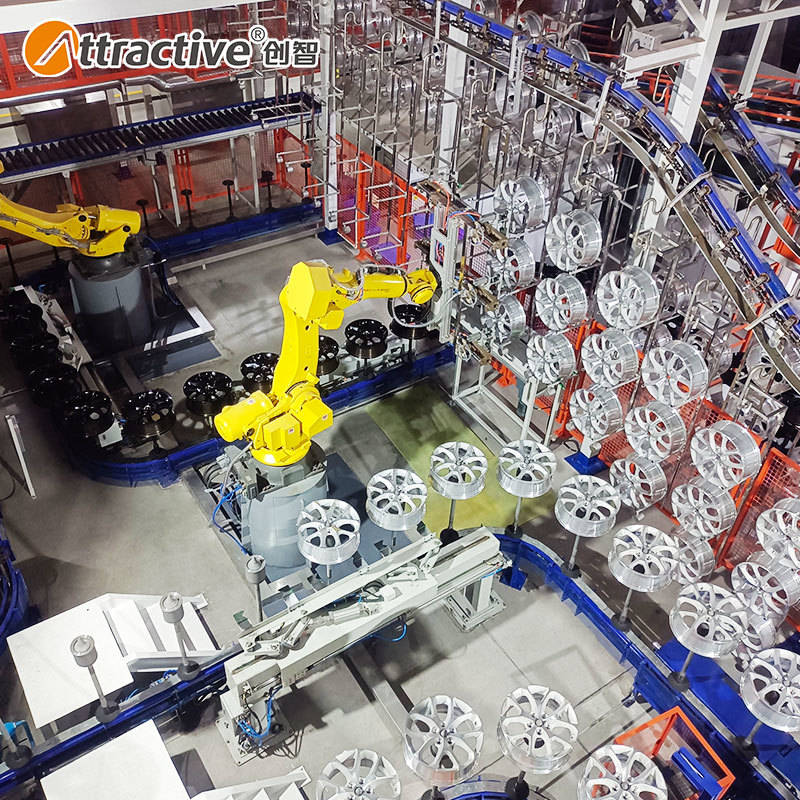
- Automotive Industry: Used for coating car frames, wheels, and parts due to its durability and aesthetic appeal.
- Appliances: Household appliances such as refrigerators and ovens benefit from powder coating's resistance to scratching and chemicals.
- Furniture: Metal furniture is often coated for protection against wear and corrosion while also enhancing its appearance.
- Architectural Applications: Powder coating is used on metal building materials, offering long-lasting protection against the elements.
Common Materials Used in Powder Coating
The materials used for powder coating can be broadly categorized into two types: thermosets and thermoplastics.
- Thermosetting Powders: These powders, like epoxy and polyester, undergo a chemical change when cured, resulting in a hard, durable finish.
- Thermoplastic Powders: Plastics such as nylon and PVC can be used, which melt and flow when heated but do not undergo a chemical change, allowing for potential rework.
Choosing the Right Electrostatic Powder Coating Line
When selecting an electrostatic powder coating line, several factors should be considered:
- Production Volume: Assess the required throughput to match the coating line to your production needs.
- Type of Products: Consider the size, shape, and materials of the items being coated to ensure compatibility with the equipment.
- Space Availability: Ensure the facility can accommodate the footprint of the coating line, including space for curing ovens and material handling.
Maintenance and Best Practices for Powder Coating Lines
To maintain optimal performance of electrostatic powder coating lines, regular maintenance and adherence to best practices are crucial:
- Regular Cleaning: Keep the equipment clean to prevent cross-contamination between colors and ensure smooth operation.
- Calibration: Regularly calibrate the electrostatic spray guns to maintain consistent powder application and reduce waste.
- Employee Training: Train personnel on best practices and safety protocols to improve efficiency and reduce the risk of accidents.
The Future of Powder Coating Technology
The future of electrostatic powder coating technology looks promising, with advancements on the horizon:
- Smart Coating Systems: The integration of IoT technology will enable real-time monitoring and data analytics, enhancing process control and efficiency.
- New Material Development: Ongoing research into advanced powder formulations promises improved performance and expanded applications.
- Sustainability Initiatives: Increased emphasis on eco-friendly practices will drive innovations in materials and processes, further reducing environmental impact.
FAQs
What materials can be coated using electrostatic powder coating?
Most metals can be powder coated, including aluminum, steel, and stainless steel. Non-metal substrates are generally not recommended due to adhesion issues.
How thick can the powder coating be applied?
The thickness of powder coating typically ranges from 2 to 8 mils, depending on the specific application and requirements.
Is powder coating environmentally friendly?
Yes, powder coating is considered environmentally friendly due to its zero VOC emissions and ability to recycle overspray.
Can powder coatings be used outdoors?
Yes, many powder coatings are specifically formulated for outdoor use, providing excellent resistance to UV light and weathering.
How long does the curing process take?
The curing time can vary based on the specific powder and thickness but generally ranges from 10 to 30 minutes at temperatures between 350°F to 400°F.
Conclusion
Electrostatic powder coating lines are a powerful solution for manufacturers seeking to improve efficiency, enhance product quality, and minimize environmental impact. By understanding the technology, benefits, and applications of electrostatic powder coating, businesses can make informed decisions that lead to increased productivity and profitability. As we look to the future, advancements in powder coating technology promise to further revolutionize industrial manufacturing and surface finishing.


Contact Us
No.2 Yingbin Avenue, High-tech District, Zhaoqing City, Guangdong Province, China.
Online Message