























Related News

11
2024
-
10
Unleashing Innovation: How Robotic Electrostatic Spraying Lines are Reshaping Manufacturing
Author:
Chuangzhi Coating
1. Introduction to Robotic Electrostatic Spraying
Robotic electrostatic spraying line a monumental shift in manufacturing processes, particularly within the realm of industrial coatings. By harnessing advanced robotic technologies and electrostatic principles, manufacturers can achieve superior application techniques, leading to enhanced product quality and operational efficiency. This article explores how these systems are reshaping the landscape of manufacturing, offering insights into their functionalities, benefits, and future prospects.

2. Understanding the Technology Behind Robotic Electrostatic Spraying
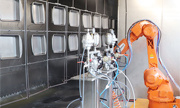
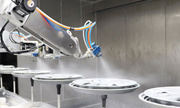
Robotic electrostatic spraying operates on the principle of charging paint particles, which are then attracted to the grounded surface of the object being coated. This technology utilizes a robot arm equipped with specialized spray nozzles that can articulate and adapt to different shapes and surfaces.
Electrostatic Principles in Action
The electrostatic spray painting process begins with the atomization of the coating material. The paint is charged positively while the substrate remains neutral or negatively charged. This difference in charge generates an electrostatic attraction that enhances the paint's adherence to the substrate, reducing overspray and maximizing transfer efficiency.
Robot Integration and Automation
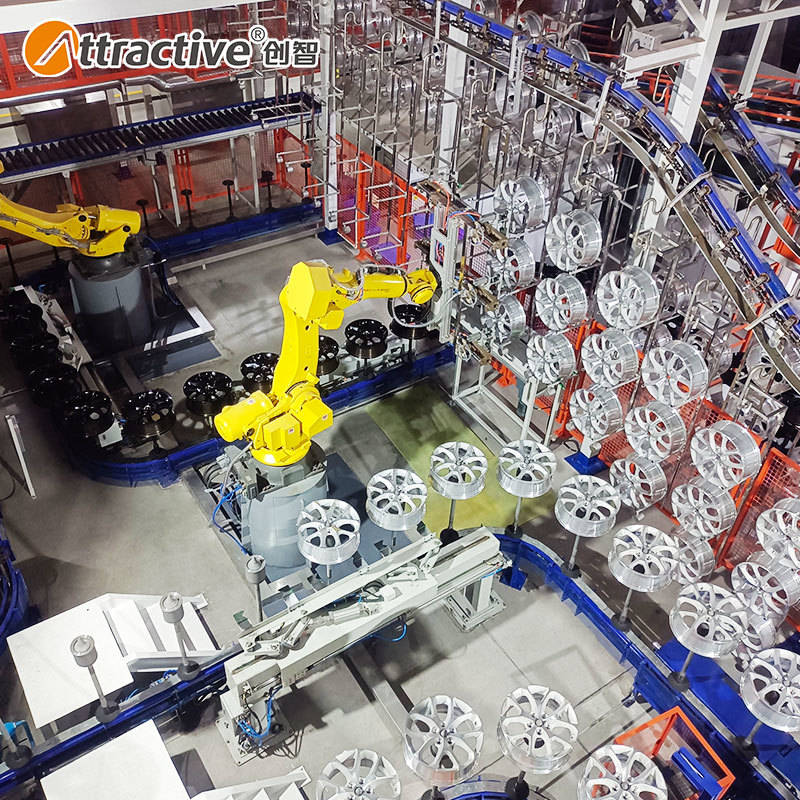
Integrating robotic systems into the spraying process allows for precise control over spray patterns, angles, and speed. Modern robotic arms are equipped with sensors and software that enable real-time adjustments, optimizing the application process for varying substrates and environmental conditions.
3. Key Benefits of Robotic Electrostatic Spraying Lines
The adoption of robotic electrostatic spraying lines brings numerous advantages that significantly improve manufacturing operations.
Enhancing Efficiency and Productivity
Robotic systems can operate continuously, reducing downtime and increasing throughput. The automated nature of these systems allows for consistent performance, which is crucial in meeting production demands without compromising quality.
Cost-Effectiveness
While the initial investment in robotic systems can be substantial, the long-term cost savings associated with reduced material waste, lower labor costs, and improved product quality often outweigh these expenses. Enhanced transfer efficiency means less paint is needed, leading to significant savings.
Improving Worker Safety
By automating the spraying process, manufacturers can minimize workers' exposure to hazardous materials. This not only fosters a safer workplace but also adheres to stricter health and safety regulations.
4. Applications of Robotic Electrostatic Spraying in Manufacturing
Robotic electrostatic spraying lines find applications across various industries, demonstrating versatility and effectiveness.
Automotive Industry
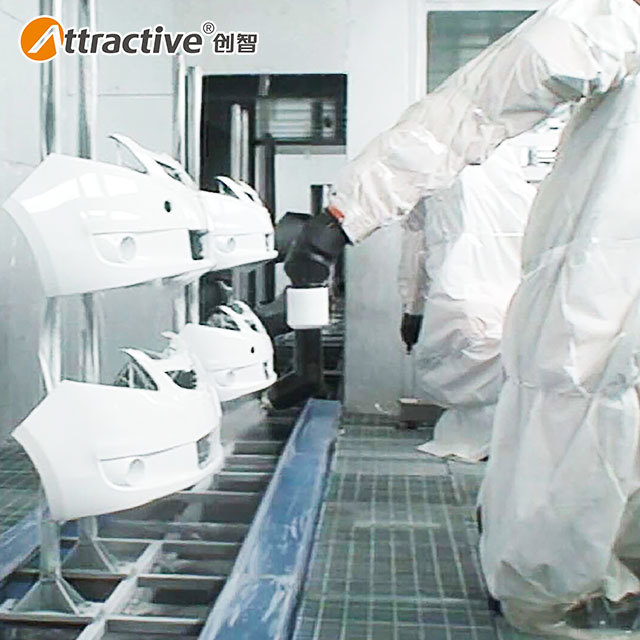
In the automotive sector, robotic electrostatic spraying is pivotal in delivering high-quality finishes on vehicles. The precision of robotic systems ensures even coating on complex shapes while minimizing defects.
Aerospace Manufacturing
Aerospace components often require specialized coatings for durability and performance. Robotic spraying systems are ideal for applying these coatings uniformly, meeting stringent industry standards.
Consumer Electronics
In consumer electronics manufacturing, aesthetic appeal and functionality go hand in hand. Robotic electrostatic spraying lines provide the necessary precision to achieve high-quality finishes on various electronic devices.
5. Efficiency Optimization Through Automation
Robotic electrostatic spraying lines have revolutionized the efficiency of painting operations.
Adaptive Control Systems
Modern robotic systems come equipped with adaptive control mechanisms that optimize the spraying parameters in real-time. These adjustments are based on the feedback from sensors that monitor the application process, ensuring optimal results.
Reduced Material Waste
The electrostatic attraction significantly reduces overspray and bounce-back, leading to less material waste. This efficiency not only lowers costs but also promotes sustainability in manufacturing processes.
6. Ensuring Quality Control in Industrial Coating
Quality assurance is critical in manufacturing, and robotic electrostatic spraying lines play a crucial role in maintaining high standards.
Consistency in Application
Robotic systems provide unparalleled consistency in application, ensuring that every product receives the same level of coating. This uniformity is vital for meeting quality specifications and customer expectations.
Advanced Inspection Technologies
Integrating inspection technologies, such as vision systems, allows for real-time monitoring of the coating process. This enables immediate correction of any deviations, ensuring adherence to quality standards.
7. Sustainability and Environmental Impact
As industries strive for greener practices, robotic electrostatic spraying lines contribute positively to sustainability efforts.
Lower VOC Emissions
Robotic spraying systems typically use low-VOC coatings, which significantly reduce harmful emissions during the application process. The enhanced transfer efficiency also means less paint is wasted, resulting in a smaller environmental footprint.
Recycling and Reusability
Many components of robotic electrostatic spraying systems can be recycled or repurposed. This aligns with the industry’s goals to reduce waste and promote sustainability.
8. Future Trends in Robotic Spraying Technology
The future of robotic electrostatic spraying is bright, with advancements on the horizon.
AI and Machine Learning Integration
The incorporation of artificial intelligence and machine learning will further enhance the capabilities of robotic spraying systems. These technologies can analyze data to predict optimal settings, improving efficiency and reducing waste.
Customization and Flexibility
Future robotic systems are expected to be more adaptable, allowing manufacturers to customize their spraying processes for various products without requiring significant reconfiguration.
9. Frequently Asked Questions
What industries benefit from robotic electrostatic spraying?
Robotic electrostatic spraying is widely used in industries such as automotive, aerospace, consumer electronics, and furniture manufacturing.
How does robotic spraying improve safety in the workplace?
By automating the spraying process, robotic systems reduce workers' exposure to hazardous materials, creating a safer working environment.
Are robotic spraying systems cost-effective?
While the initial investment may be high, the long-term savings from reduced waste, lower labor costs, and improved quality make them cost-effective.
Can robotic electrostatic spraying be used for complex shapes?
Yes, robotic systems can be programmed to handle complex geometries, ensuring an even coat on intricate designs.
What advancements can we expect in robotic spraying technology?
Future advancements may include AI integration for predictive analytics, increased customization, and enhanced sustainability features.
10. Conclusion
Robotic electrostatic spraying lines are undeniably reshaping the manufacturing landscape. Their ability to enhance efficiency, improve product quality, and contribute to sustainability initiatives makes them an invaluable asset in various industries. As technology continues to evolve, the potential applications and benefits of robotic spraying systems will only expand, driving further innovation in manufacturing processes. Embracing this technology will not only streamline operations but also position manufacturers at the forefront of a competitive and rapidly changing market.
SEO:


Contact Us
No.2 Yingbin Avenue, High-tech District, Zhaoqing City, Guangdong Province, China.
Online Message