












Related News

12
2025
-
05
Understanding the Essentials of Painting Equipment Lines in Industrial Applications
Author:
Chuangzhi Coating
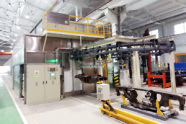
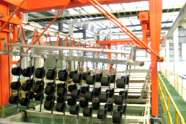
When it comes to industrial applications, the painting equipment line plays a vital role in achieving high-quality finishes on various products. This line encompasses a range of machinery and tools designed to automate and streamline the painting process, ensuring consistency, efficiency, and high standards of quality. Understanding the components and functioning of a painting equipment line is essential for professionals looking to enhance their production capabilities.

At the core of a painting equipment line are several key components. These typically include pre-treatment systems, paint application technologies, curing systems, and finishing equipment. Pre-treatment is essential as it prepares the surface of the items to be painted, removing contaminants and ensuring optimal adhesion of the paint. Various methods, such as washing, sandblasting, or chemical treatments, can be employed depending on the materials being processed.
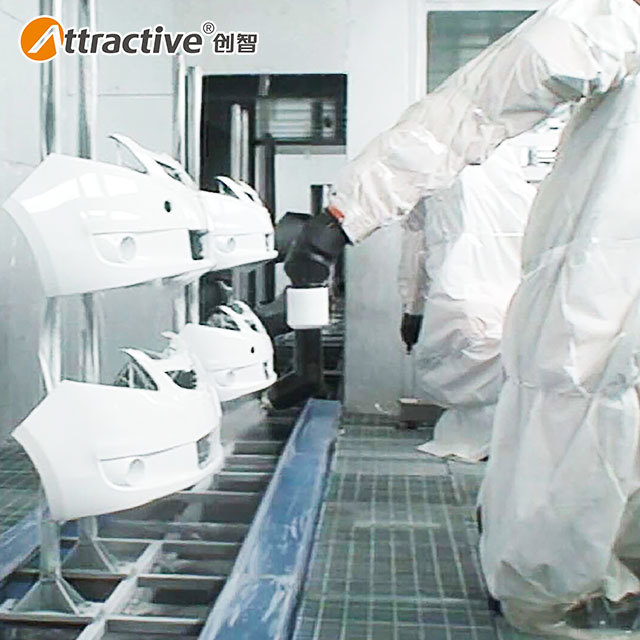
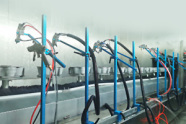
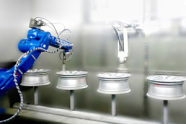
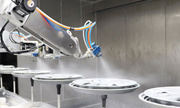
Paint application technologies are another critical aspect of painting equipment lines. Common methods include spray painting, electrostatic painting, and powder coating. Each method has its advantages and is suitable for different applications. For instance, spray painting offers versatility and is effective for complex shapes, while electrostatic painting ensures even coverage and reduced overspray, making it ideal for metal surfaces.
Once the paint has been applied, curing systems are required to dry and harden the finish. This can be achieved through convection ovens, infrared heaters, or UV light systems, depending on the type of paint used and the desired finish characteristics. The choice of curing system can significantly influence the throughput and quality of the painted products.
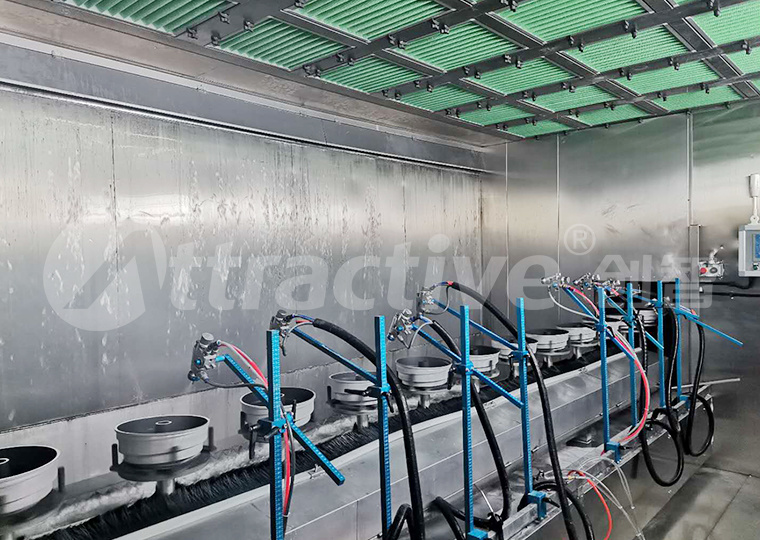
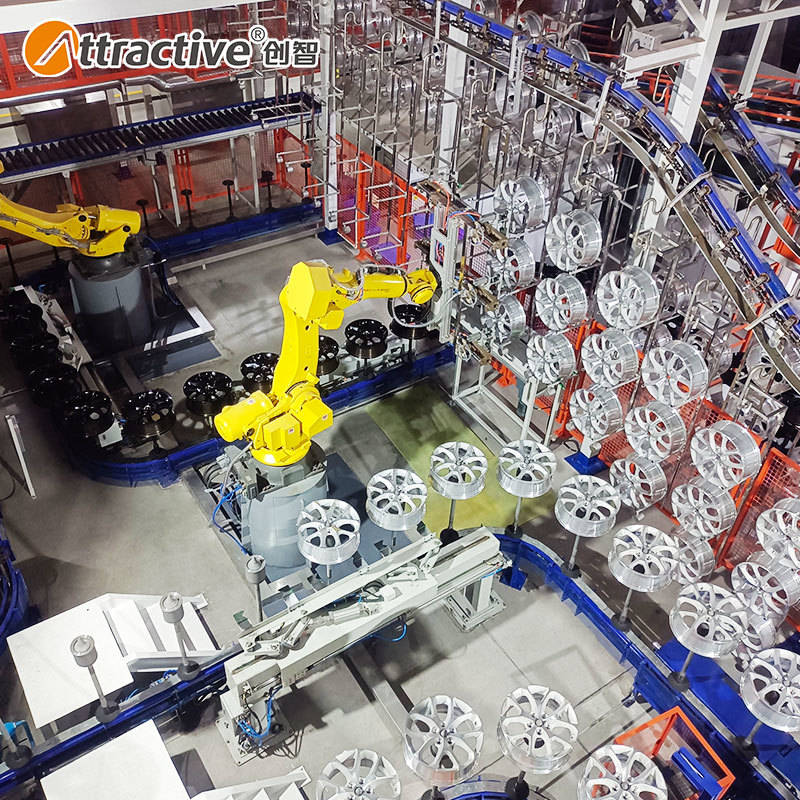
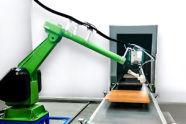
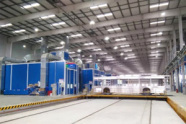
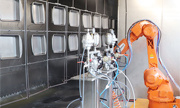
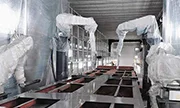
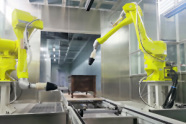
In addition to these components, it's crucial to consider the overall layout and efficiency of the painting equipment line. A well-designed layout minimizes bottlenecks and maximizes workflow, allowing for seamless transitions between each stage of the painting process. Automation plays a significant role here, with advanced control systems and robotics increasingly integrated into painting lines to enhance precision and reduce manual labor.
To optimize a painting equipment line, regular maintenance is essential. This helps ensure that all equipment operates at peak performance, reducing downtime and avoiding costly repairs. Additionally, training staff on best practices for operating the painting equipment can greatly enhance the quality of the finished products while also improving safety.
In summary, a painting equipment line is a complex yet essential part of industrial coating processes. By understanding the various components and their functions, professionals can make informed decisions that lead to better efficiency, quality, and sustainability in their operations. Whether you are looking to upgrade existing systems or implement new technologies, recognizing the significance of each element within the painting equipment line will ultimately drive success in your industrial endeavors.


Contact Us
No.2 Yingbin Avenue, High-tech District, Zhaoqing City, Guangdong Province, China.
Online Message