













Related News

19
2024
-
11
Exploring the Essentials of Painting Equipment Lines for Optimal Industrial Performance
Author:
Chuangzhi Coating
The painting equipment line is an integral part of many industrial operations, particularly in sectors such as automotive, aerospace, and manufacturing. A well-designed painting equipment line can significantly impact the efficiency, quality, and consistency of the finished product. Understanding the core components and functions of a painting equipment line is crucial for businesses looking to optimize their production processes.
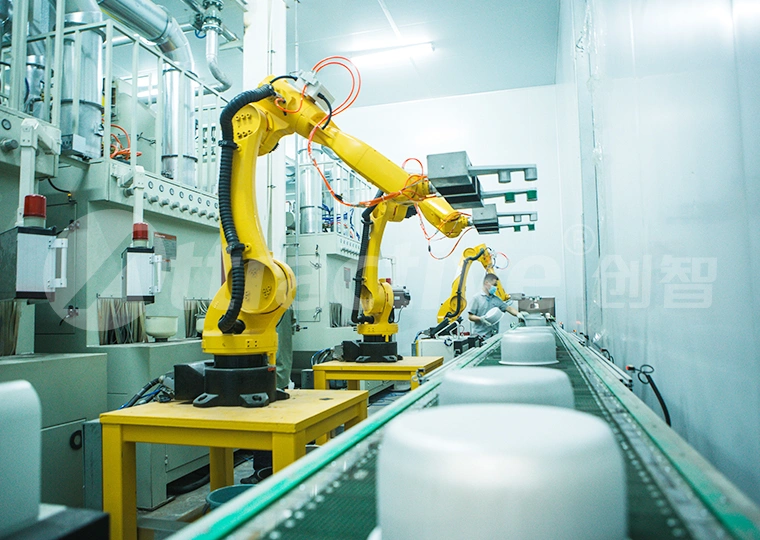
At its core, a painting equipment line typically includes several stages, each designed to perform specific tasks. These stages often encompass surface preparation, painting, drying, and curing. Surface preparation is essential as it ensures that the substrate is adequately cleaned and primed for coating. This stage may involve processes like sandblasting, chemical cleaning, or sanding, depending on the material and desired outcome.
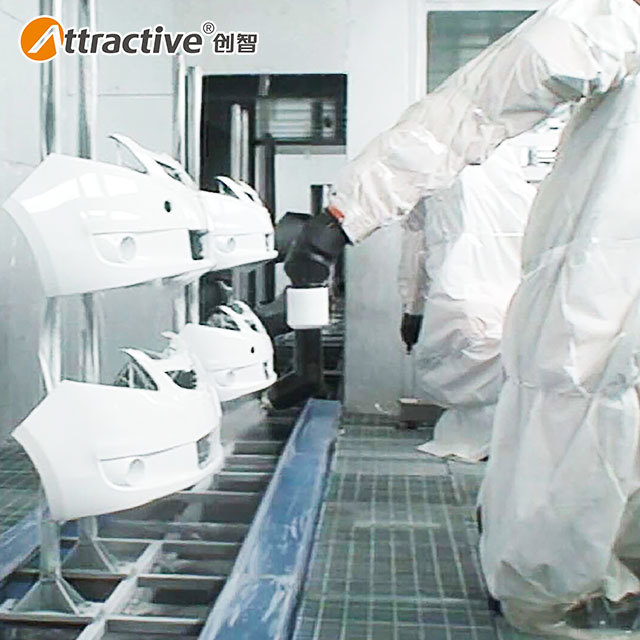
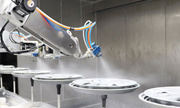
Next in the painting equipment line is the application of the coating itself. This can be achieved through various methods, including spray painting, electrostatic painting, or dipping. Each method has its advantages and is chosen based on the type of coating material, the complexity of the part being painted, and the desired finish. Understanding the nuances of these application methods can help businesses select the most suitable option for their specific needs.
The drying and curing stages are equally important in a painting equipment line. After the application of the coating, it is crucial to ensure that the paint dries properly to prevent issues like runs, sags, or defects. Some painting systems incorporate advanced drying technologies, such as infrared or ultraviolet (UV) drying, which can significantly reduce drying times while enhancing the quality of the finished product.
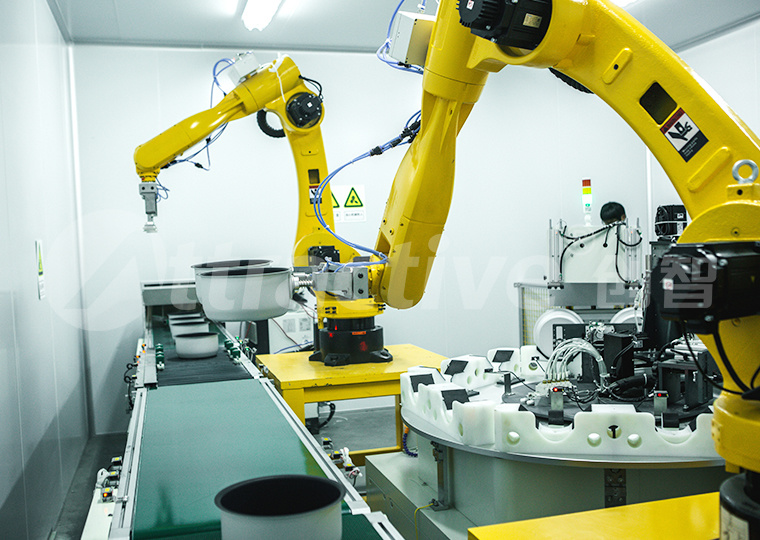
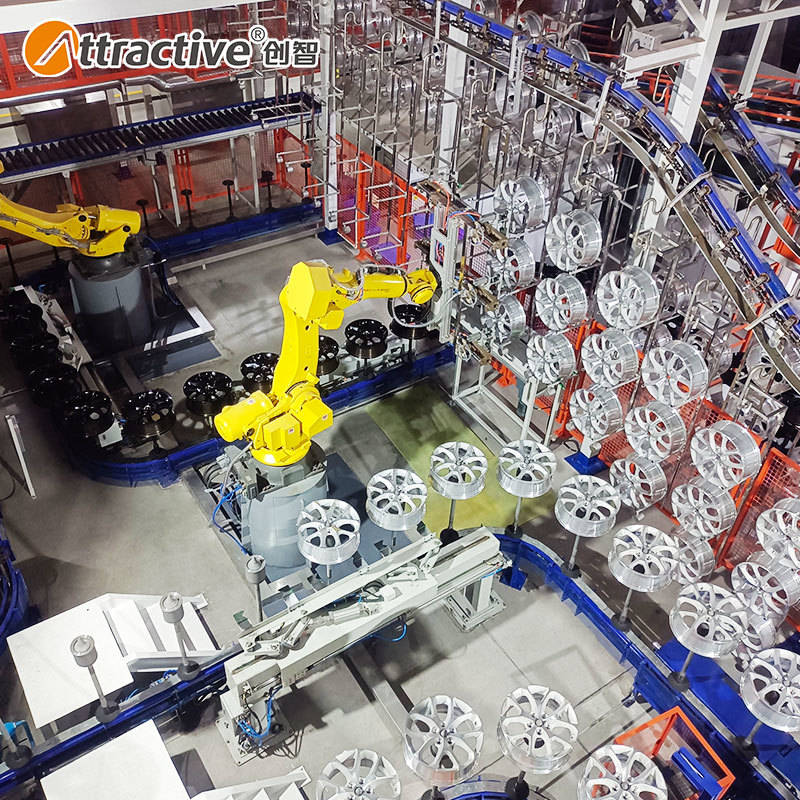
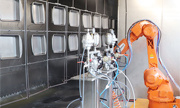
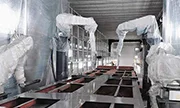
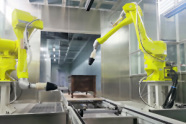
Moreover, automation has become a game-changer in modern painting equipment lines. Automated systems can manage the flow of parts through the various stages of the line, ensuring consistent quality and reducing labor costs. Implementing such technology can also improve safety by minimizing worker exposure to hazardous materials.
Maintenance of the painting equipment line is another critical aspect that should not be overlooked. Regular inspections and servicing are essential to keep the equipment in optimal condition, ensuring that it operates efficiently and effectively. This proactive approach can help prevent costly downtime and extend the lifespan of the equipment.
In conclusion, the painting equipment line is a vital component of many industrial processes. By understanding its key stages, the various methods of application, and the importance of automation and maintenance, businesses can make informed decisions that enhance their production capabilities. With the right knowledge and approach, companies can improve the quality and efficiency of their coating operations, ultimately leading to better products and increased customer satisfaction.


Contact Us
No.2 Yingbin Avenue, High-tech District, Zhaoqing City, Guangdong Province, China.
Online Message