


















Related News

22
2024
-
11
Precision Redefined: Achieving Perfection with Electrostatic Powder Coating Lines
Author:
Chuangzhi Coating
Introduction to Electrostatic Powder Coating
Electrostatic powder coating has revolutionized the industrial painting landscape, offering unparalleled efficiency and quality. In today’s competitive market, manufacturers strive for perfection, and the adoption of advanced coating technologies like electrostatic powder coating lines is a testament to this pursuit. This article delves into the intricacies of electrostatic powder coating, exploring its multifaceted benefits, processes, and future innovations.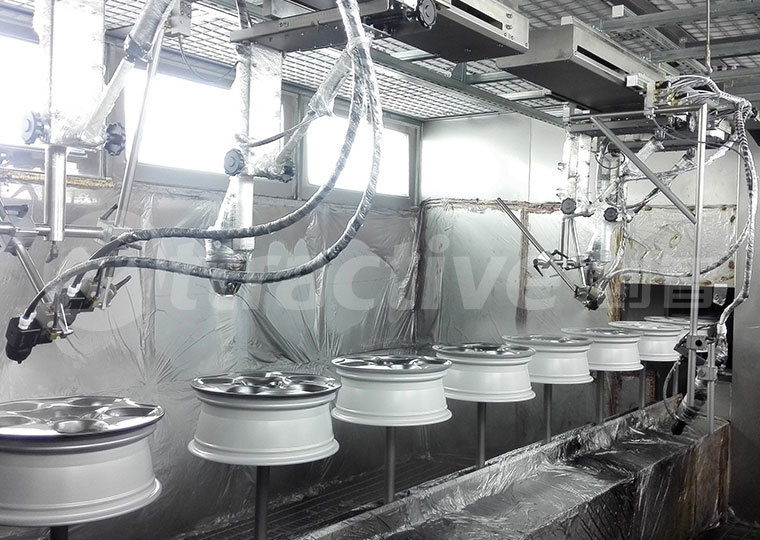
What is Electrostatic Powder Coating?
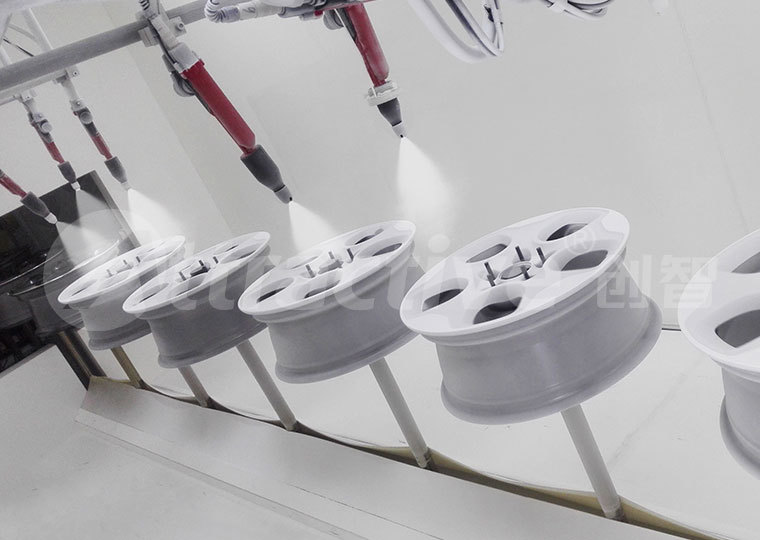
Electrostatic powder coating is a dry finishing process that utilizes charged powder particles to adhere to electrically grounded surfaces. This method is particularly effective for creating durable and aesthetically pleasing finishes on a variety of materials, including metals, plastics, and wood. The powder is sprayed onto the surface, where it adheres due to electrostatic attraction, before being cured in an oven to form a robust, uniform coating.
The Science Behind Electrodeposition
The process relies on the principles of electrostatics, where the powder particles are given a negative charge while the workpiece is grounded. This charge difference enables the powder to cling to the surface, ensuring even coverage and minimal overspray. As a result, this technique not only enhances the quality of the finish but also minimizes waste.
Benefits of Electrostatic Powder Coating Lines
Electrostatic powder coating offers numerous advantages over traditional liquid coatings. These benefits include:
1. Enhanced Durability and Resistance
Powder coatings provide superior resistance to chipping, scratching, fading, and corrosion. This durability ensures that products maintain their appearance and functionality over time, making them ideal for both indoor and outdoor applications.
2. Environmentally Friendly
Unlike liquid paints that often contain volatile organic compounds (VOCs), powder coatings are solvent-free. This characteristic not only reduces environmental impact but also enhances workplace safety.
3. Cost-Effectiveness
The electrostatic application process significantly reduces material waste, contributing to lower overall costs. Additionally, the efficiency of the process means reduced labor costs and faster turnaround times, making it a financially viable option for manufacturers.
4. Versatile Finish Options
Electrostatic powder coating lines can achieve a wide array of finishes, from matte to glossy and textured to smooth. This versatility allows for customization to meet specific customer requirements.
5. Quick Curing Times
The curing process in powder coating is relatively quick, allowing for increased production rates. This efficiency is vital for manufacturers looking to optimize their output without compromising quality.
The Process of Electrostatic Powder Coating
The process of electrostatic powder coating can be broken down into several key steps:
1. Surface Preparation
Effective surface preparation is crucial for achieving optimal adhesion and finish. This step often involves cleaning, degreasing, and sometimes sandblasting the surface to eliminate contaminants.
2. Application of Powder Coating
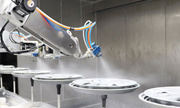
Using an electrostatic spray gun, the powder is evenly applied to the workpiece. The charged particles ensure comprehensive coverage, even in intricate shapes and hard-to-reach areas.
3. Curing Process
After application, the coated workpieces are placed in a curing oven, where the powder melts and chemically reacts to form a solid, durable film. The curing process is critical, as it determines the final properties of the coating.
4. Quality Control
Post-curing, the coated items undergo rigorous quality control inspections. This step ensures that the finish is flawless and meets the required specifications.
Equipment Used in Powder Coating Lines
The effectiveness of electrostatic powder coating lines is significantly influenced by the equipment utilized. Important components include:
1. Electrostatic Spray Guns
These guns are essential for charging the powder particles and facilitating their application to the substrate. Advanced models offer features such as adjustable settings for various materials and finishes.
2. Curing Ovens
Curing ovens are critical in ensuring that the powder coating adheres properly. They come in various configurations, including batch and conveyor systems, allowing for flexibility based on production needs.
3. Spray Booths
Spray booths help contain overspray and prevent contamination during the coating process. Proper ventilation and filtration systems in these booths are vital for maintaining a clean working environment.
4. Recovery Systems
These systems are designed to collect oversprayed powder, allowing for its reuse. This not only reduces waste but also ensures cost efficiency in the production process.
Applications of Electrostatic Powder Coating
Electrostatic powder coating is widely used across various industries due to its versatility. Common applications include:
1. Automotive Industry
In the automotive sector, powder coating is used for both interior and exterior components, providing a durable finish that withstands harsh conditions.
2. Furniture
Powder coating is popular in the furniture industry for its ability to create aesthetically pleasing and resilient finishes on metal and wood surfaces.
3. Appliances
Household appliances often feature powder-coated finishes, enhancing their appearance while providing resistance to scratches and corrosion.
4. Industrial Equipment
Heavy machinery and equipment benefit from powder coating due to its durability and protective qualities, ensuring longevity even in demanding environments.
Common Challenges and Solutions in Powder Coating
While electrostatic powder coating offers many benefits, certain challenges may arise during the process. Understanding these challenges and their solutions can enhance overall effectiveness:
1. Poor Adhesion
Solution: Ensuring proper surface preparation is critical. Utilize cleaning and abrasive techniques to prepare the surface adequately. Regular maintenance of equipment can also help maintain optimal performance.
2. Color Variability
Solution: Implementing stringent quality control measures can ensure that color consistency is maintained across batches. Using the same supplier for powder materials can also minimize discrepancies.
3. Curing Issues
Solution: Regular calibration of curing ovens is essential. Monitoring temperature and time carefully can prevent under- or over-curing.
The Future of Electrostatic Powder Coating Technology
As technology continues to advance, the future of electrostatic powder coating looks promising. Emerging trends include:
1. Eco-Friendly Innovations
With increasing pressure to reduce environmental impacts, the development of eco-friendly powders and processes will be a priority.
2. Automation and Robotics
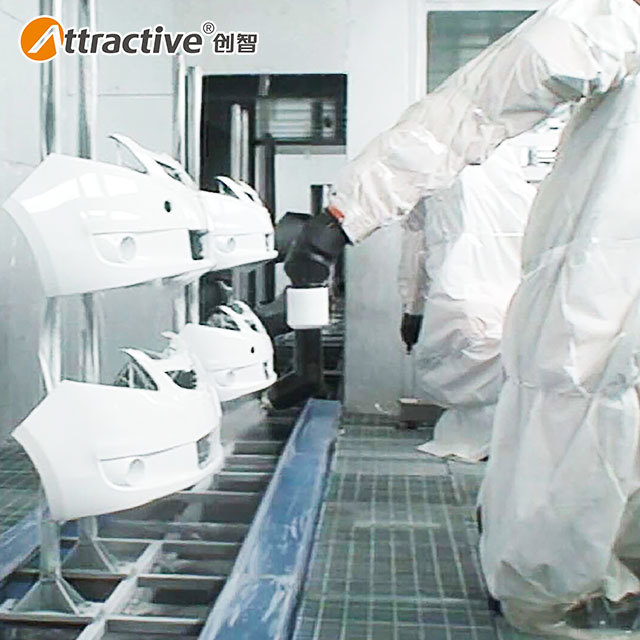
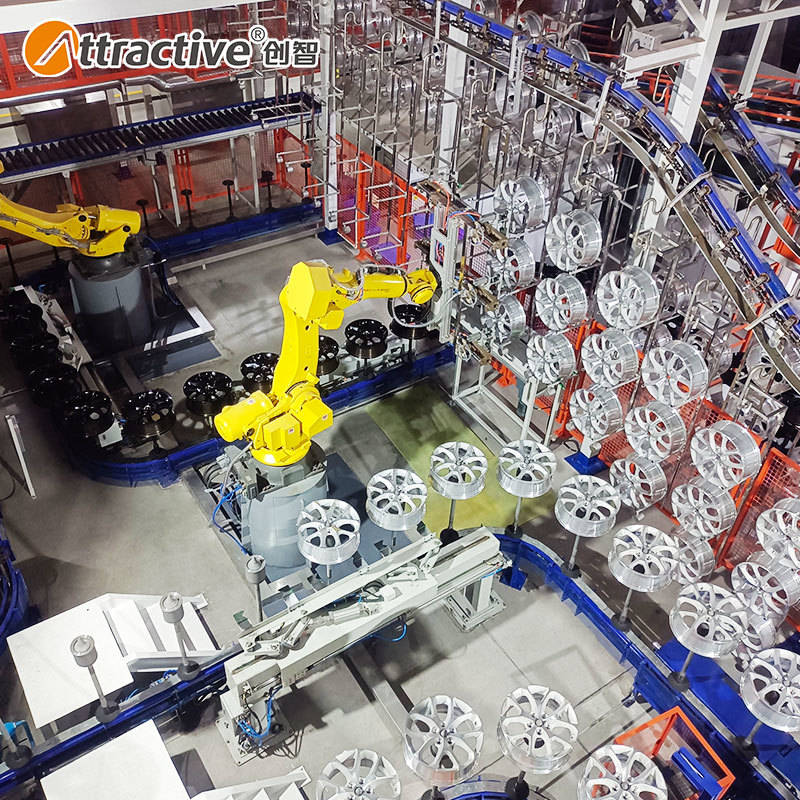
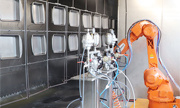
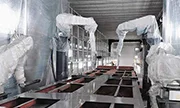
The integration of automation in powder coating lines is on the rise, enhancing efficiency and precision while reducing labor costs.
3. Smart Coating Technologies
The advent of smart coatings that respond to environmental conditions holds potential for a variety of applications, particularly in the automotive and aerospace industries.
Conclusion
Electrostatic powder coating lines represent a leap forward in industrial finishing technology, offering exceptional quality and efficiency. By understanding the processes, benefits, and future innovations associated with powder coating, manufacturers can position themselves at the forefront of their industries. The ability to achieve flawless finishes while minimizing environmental impact and costs makes electrostatic powder coating an indispensable asset for businesses seeking to redefine precision.
FAQs about Electrostatic Powder Coating
1. What types of materials can be powder coated?
Electrostatic powder coating is primarily used on metals but can also be applied to certain types of plastics and wood.
2. How long does the powder coating process take?
The entire process can vary but typically takes a few hours, including surface preparation, application, and curing time.
3. Is powder coating more durable than liquid paint?
Yes, powder coatings are generally more durable and resistant to chipping, scratching, and fading compared to traditional liquid paints.
4. Can powder coatings be applied to parts with complex shapes?
Absolutely! The electrostatic application process is designed to reach intricate shapes and hard-to-access areas effectively.
5. Is powder coating environmentally friendly?
Yes, powder coating is a more environmentally friendly option, as it contains no VOCs and produces minimal waste compared to liquid coatings.


Contact Us
No.2 Yingbin Avenue, High-tech District, Zhaoqing City, Guangdong Province, China.
Online Message