












Related News

07
2025
-
07
Essential Insights into Painting Equipment Lines for Industrial Applications
Author:
Chuangzhi Coating
In the realm of industrial equipment and components, the painting equipment line plays a pivotal role in enhancing product finish and quality. These lines are designed to provide efficient, uniform application of coatings, ensuring that products meet stringent aesthetic and protective standards. Understanding the fundamentals of painting equipment lines can significantly benefit manufacturers looking to improve their finishing processes.
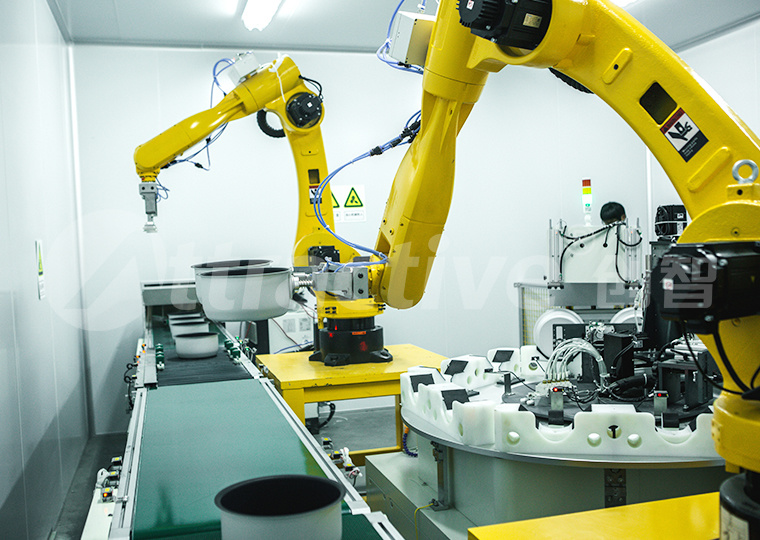
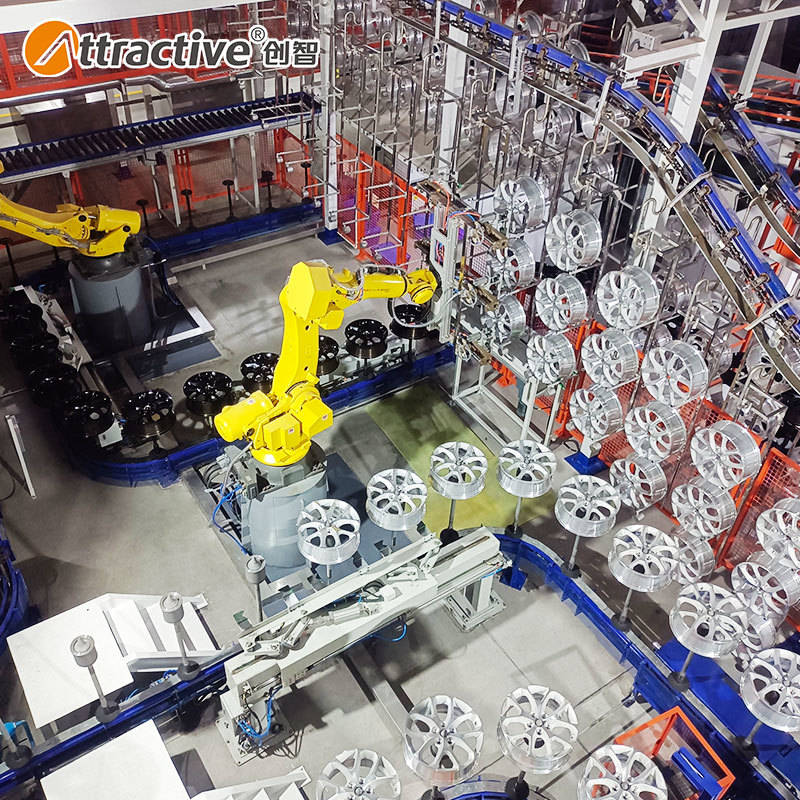
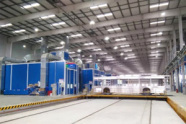
At its core, the painting equipment line encompasses various stages of the coating process, typically including pre-treatment, application, curing, and quality control. Each stage is meticulously designed to ensure that the final product adheres to the required specifications.
Pre-Treatment Stage: This initial stage is critical for preparing the surfaces to be painted. Methods such as sandblasting, chemical cleaning, or phosphating are often employed to remove contaminants and enhance adhesion. Proper pre-treatment can significantly extend the life of the coating and improve the overall finish.
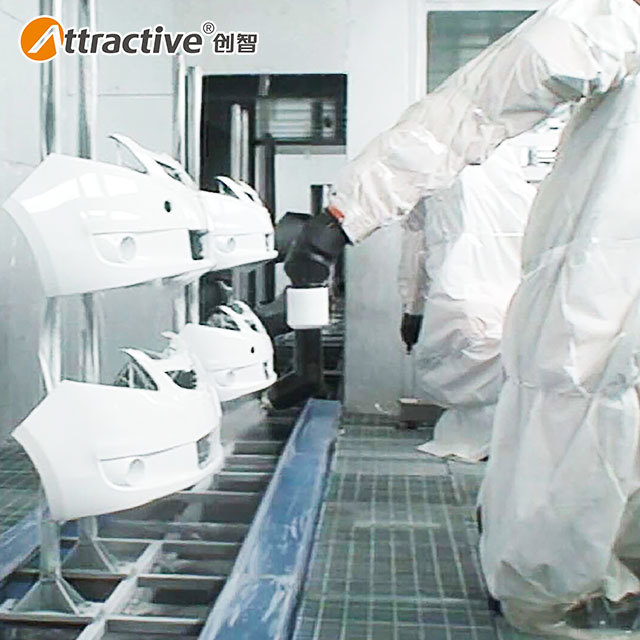
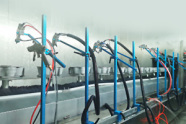
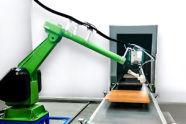
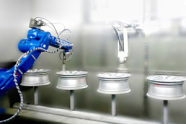
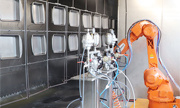
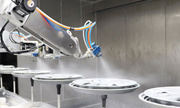
Application Process: The application of paint can be achieved through various techniques, including spray, roll, or dip coating. Automated spray systems are commonly used in painting equipment lines due to their ability to provide a consistent coat while minimizing waste. Advanced technologies, such as electrostatic spray, enhance paint transfer efficiency, allowing for even coverage and reduced overspray.
Curing Stage: Once the paint is applied, the next essential phase is curing. This process involves drying the paint through heat or UV light, depending on the type of coating used. Proper curing is crucial as it determines the hardness, adhesion, and durability of the finish. Integrating infrared or convection ovens into the painting equipment line can streamline this stage, improving overall productivity.
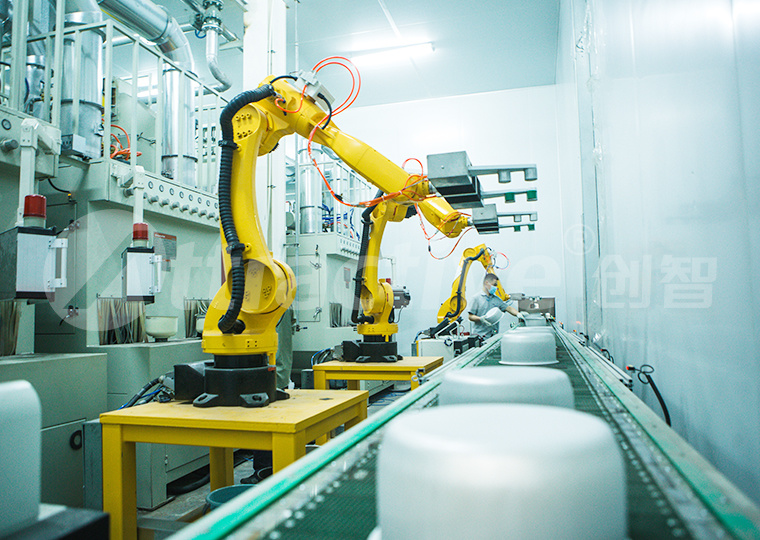
Quality Control: To maintain high standards, quality control measures must be integrated throughout the painting equipment line. Regular inspections and testing methods, such as adhesion tests and gloss measurements, help ensure that the coating meets quality benchmarks. Implementing automated inspection systems can further enhance this stage, providing real-time feedback and reducing the likelihood of defects.
The benefits of an efficient painting equipment line are manifold. It not only increases production speed and efficiency but also enhances product quality and consistency. Moreover, modern painting lines often incorporate advanced automation and control systems, allowing for greater flexibility and customization in the coating process. This adaptability is essential in meeting the diverse needs of various industries, from automotive to aerospace.
In conclusion, investing in a well-designed painting equipment line is crucial for industries that prioritize quality and efficiency in their finishing processes. By understanding the key components and stages of these lines, manufacturers can make informed decisions that will ultimately lead to improved product quality and operational efficiency.


Contact Us
No.2 Yingbin Avenue, High-tech District, Zhaoqing City, Guangdong Province, China.
Online Message