

















Related News
18
2026
-
05
In What Ways Do Electrostatic Painting Systems Demonstrate Energy-Saving Advantages
Author:
Chuangzhi Coating
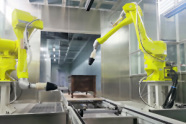
In the realm of modern industrial coating, energy conservation and environmental protection have emerged as key priorities for corporate upgrading. Due to its characteristics of high efficiency and minimal waste, electrostatic spraying technology is widely utilized across industries such as automotive manufacturing, home appliance production, and metal processing. The energy-saving advantages of electrostatic painting systems are primarily manifested in several key areas: paint utilization efficiency, energy consumption control, and enhanced production efficiency.
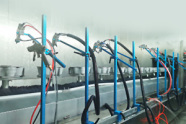
Regarding paint utilization efficiency, electrostatic painting systems employ a high-voltage electrostatic field to electrically charge paint particles, which are then uniformly attracted and deposited onto the workpiece surface under the influence of this field. These charged particles possess strong directional adhesion capabilities, effectively minimizing overspray and rebound during the application process. This ensures that a greater proportion of the paint adheres directly to the target surface, thereby significantly reducing material waste and boosting material utilization efficiency.

In terms of energy consumption, electrostatic painting systems typically demonstrate superior efficiency per unit of output. Because the spraying process is highly precise, the need for repetitive coating passes is reduced; this, in turn, lowers the consumption of compressed air and decreases the total operating time of the equipment. Furthermore, many advanced systems incorporate intelligent control technologies capable of automatically adjusting voltage and spraying parameters based on the workpiece's shape, dimensions, and specific coating requirements, thereby optimizing energy usage to be both more precise and rational.
At the level of production efficiency, the high uniformity achieved through electrostatic spraying minimizes the need for rework and touch-up procedures, ensuring a more stable and continuous production line operation. An increase in the yield of defect-free products implies a reduction in the time and energy expended per finished unit; this holistically optimizes the production structure and further underscores the system's energy-saving value.
Moreover, electrostatic painting systems help minimize the generation of overspray powder and volatile emissions. This reduces the operational load on downstream exhaust gas treatment equipment, thereby indirectly lowering the energy consumption associated with environmental remediation processes. This particular advantage is of paramount importance within the current overarching trends of green manufacturing and low-carbon production.
The energy-saving advantages of electrostatic painting systems permeate multiple stages—encompassing material utilization, equipment operation, and production workflows. These systems not only enhance resource utilization efficiency but also drive the manufacturing sector toward a future characterized by greater efficiency and environmental sustainability.
SEO:


Contact Us
No.2 Yingbin Avenue, High-tech District, Zhaoqing City, Guangdong Province, China.
Online Message