












Related News

18
2026
-
10
Spray Paint Production Line for Efficient and Consistent Surface Finishing
Author:
Chuangzhi Coating
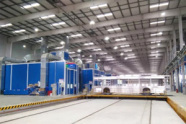
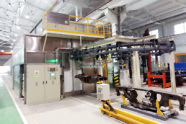
A spray paint production line is an essential solution for manufacturers seeking consistent coating quality, improved production efficiency, and better control over operating costs. By integrating surface pretreatment, automatic spraying, drying, curing, and conveying equipment, a complete painting system helps transform separate finishing operations into a coordinated production process. It can be designed for metal components, automotive parts, industrial machinery, household products, and other workpieces that require a durable and attractive surface finish.
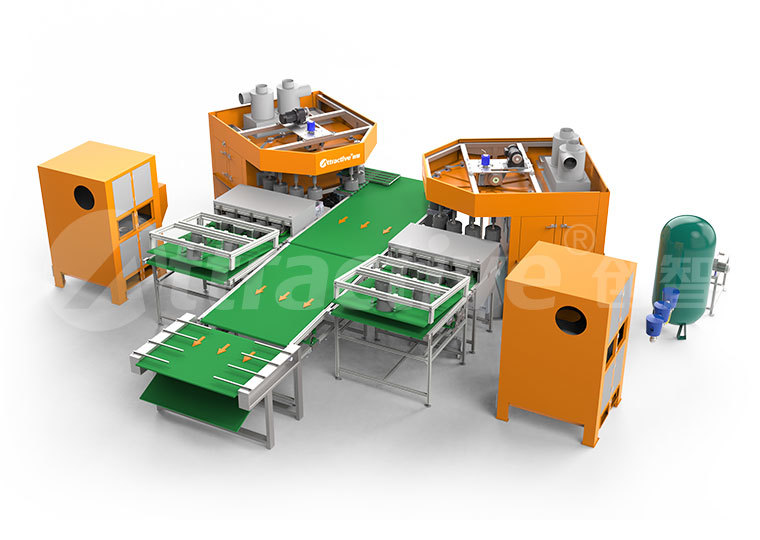
How Does a Spray Paint Production Line Work?
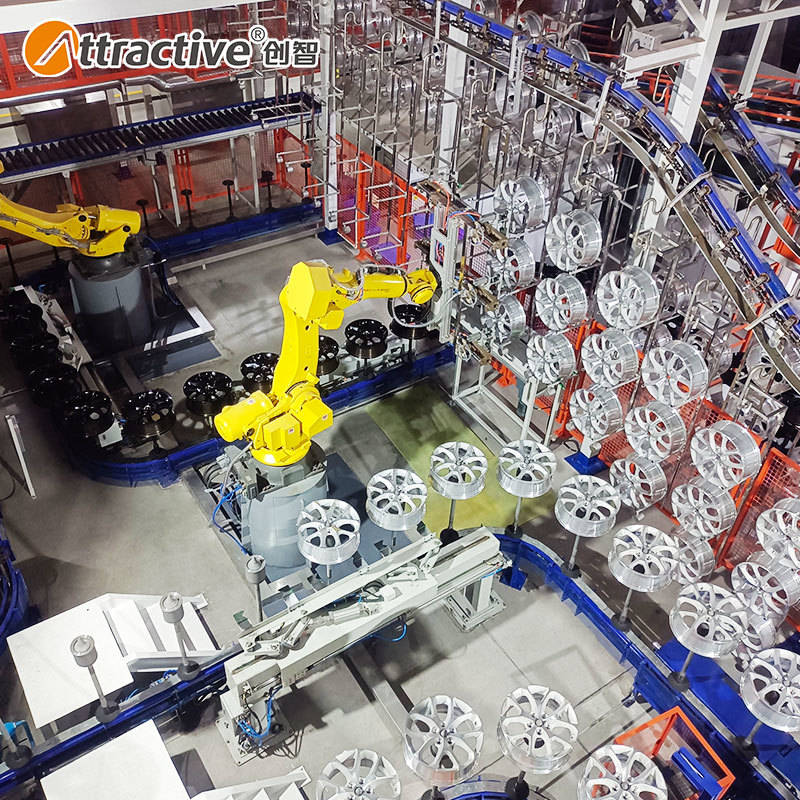
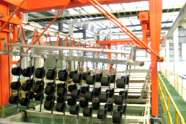
A typical spray paint production line follows several connected stages. First, workpieces are loaded onto fixtures or a conveyor system. Surface preparation removes dust, oil, rust, and other contaminants that may affect coating adhesion. Depending on the material and application, pretreatment may include cleaning, degreasing, sanding, or other suitable surface treatment processes.
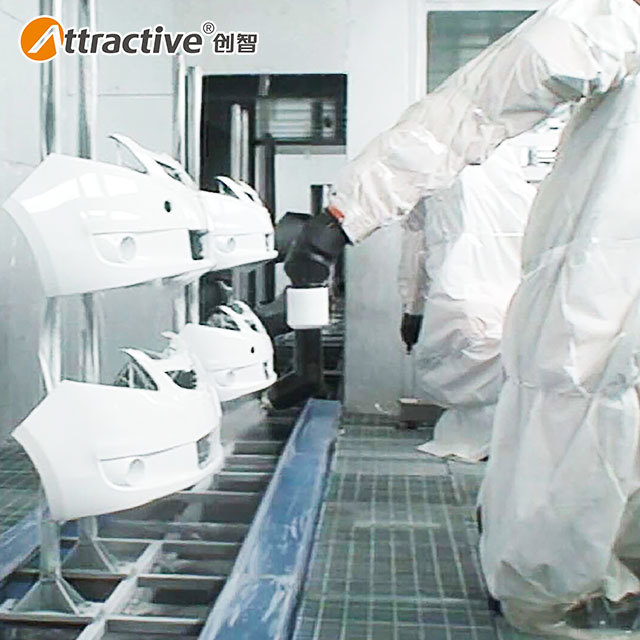
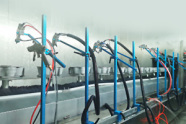
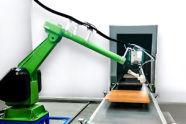
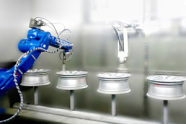
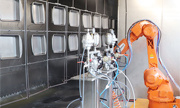
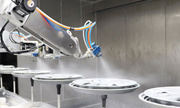
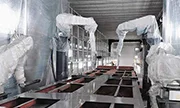
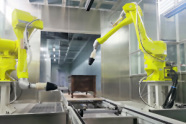
After preparation, the workpieces enter the spraying area. Manual spray guns, reciprocating spray equipment, or industrial painting robots can be selected according to product geometry, production volume, and coating requirements. Automatic spraying helps maintain consistent gun movement and coating coverage, while adjustable process parameters allow manufacturers to accommodate different workpiece sizes and surface shapes.
The coated products then move through drying or curing equipment. Proper temperature control and sufficient curing time are important for achieving the required finish and coating performance. Once the workpieces have cooled, operators can inspect the surface, identify defects, and prepare qualified products for the next manufacturing stage.
Key Benefits of an Automated Painting System
An automated spray paint production line helps reduce unnecessary manual handling and improve process consistency. Coordinated conveyors allow products to move between workstations with less interruption, supporting more organized production scheduling. Automation can also reduce repetitive labor requirements and help manufacturers manage coating thickness, surface appearance, and material consumption more effectively.
The spraying method should match the coating material and workpiece. Liquid paint systems are suitable for many decorative and protective finishing applications, while electrostatic spraying can improve transfer efficiency when the coating and workpiece conditions are appropriate. The final equipment configuration depends on the selected paint, production capacity, surface quality standards, and factory layout.
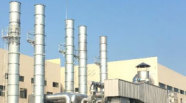
A well-planned line can also support more efficient use of energy and consumables. Suitable spray booths, ventilation, paint recovery where applicable, and exhaust treatment equipment help address workplace and environmental requirements. Regular cleaning and preventive maintenance further reduce the risk of equipment downtime and coating defects.
Customized Solutions for Different Industries
Different manufacturing sectors require different painting processes. Automotive components may need multiple coating stages and precise appearance control. Industrial machinery often requires robust protective coatings for metal surfaces. Household products and metal accessories may prioritize color consistency, smooth finishes, and flexible changeovers between product models.
For this reason, selecting a spray paint production line should begin with an assessment of workpiece dimensions, material, surface condition, paint type, target output, and available factory space. These factors determine the required conveyor arrangement, spraying equipment, drying capacity, and auxiliary systems. A customized design can help connect each process stage while leaving room for future product changes or production expansion.
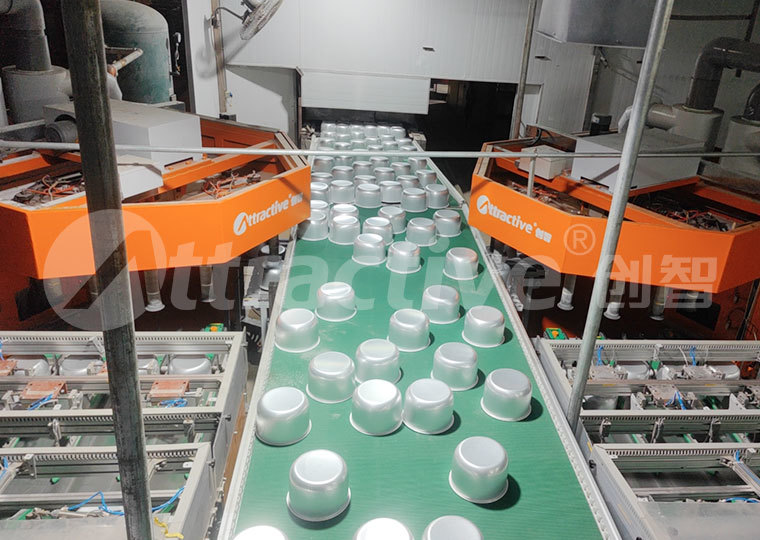
What Should Buyers Consider Before Purchasing?
Before investing in a painting line, manufacturers should evaluate the complete production process rather than focusing only on the spray equipment. Important considerations include pretreatment requirements, coating specifications, line speed, curing conditions, energy consumption, ventilation, environmental protection, maintenance access, and operator safety.
It is also important to confirm whether the proposed system can accommodate current products and expected future demand. A suitable conveyor design and adjustable spraying configuration can improve production flexibility, while accessible equipment layouts simplify inspection and routine maintenance. Buyers should request a clearly defined process flow, technical specifications, utility requirements, and commissioning arrangements before finalizing a project.
Attractivechina provides coating line solutions with customized designs based on workpiece characteristics and manufacturing requirements. Its equipment portfolio covers spraying, pretreatment, conveying, and curing processes, helping manufacturers plan an integrated surface-finishing system. With the right equipment configuration and process coordination, a spray paint production line can support stable product quality, more efficient workflows, and long-term manufacturing development.
Next Page


Contact Us
No.2 Yingbin Avenue, High-tech District, Zhaoqing City, Guangdong Province, China.
Online Message