














Related News

19
2026
-
10
Spray Paint Production Line for Consistent Coating Quality and Efficient Manufacturing
Author:
Chuangzhi Coating
Spray Paint Production Line for Consistent Coating Quality and Efficient Manufacturing
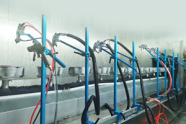
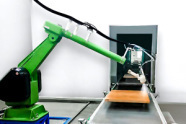
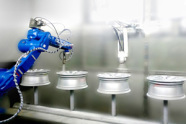
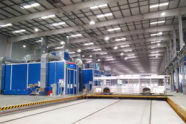
A spray paint production line is an essential solution for manufacturers seeking to improve coating consistency, production efficiency, and surface appearance. It integrates key coating processes into an organized workflow, helping businesses handle different workpieces while maintaining stable finishing standards. For industries such as automotive parts, metal products, furniture, household appliances, and general industrial manufacturing, a properly designed spray painting system can support reliable output and more efficient production management.
How a Spray Paint Production Line Works
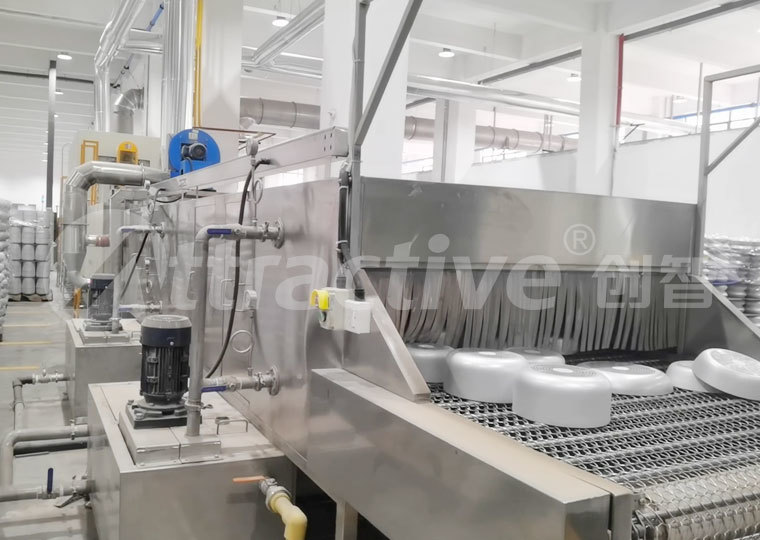
A typical spray paint production line may include workpiece loading, surface preparation, spray application, drying or curing, cooling, and unloading. The specific configuration depends on the workpiece material, dimensions, coating requirements, paint type, and production capacity.
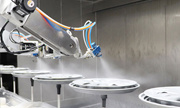
During surface preparation, dust, oil, and other contaminants must be controlled to help the coating adhere properly. The spray application stage distributes paint across the target surface, while the drying or curing stage helps the coating achieve its required finish. Connecting these processes through a coordinated conveying system reduces unnecessary handling and supports a smoother production flow.
Key Advantages of an Integrated Spray Painting System
More consistent coating results
Manual handling and inconsistent spraying conditions can lead to uneven film thickness, visible defects, and material waste. A well-configured production line helps standardize workpiece movement and spraying conditions. With suitable spray equipment and process settings, manufacturers can improve repeatability across production batches.
Improved production efficiency
An integrated line coordinates multiple operations instead of requiring workpieces to move between separate workstations. Depending on the design, automated conveying and controlled process timing can reduce handling time, simplify workflow management, and support higher production volumes.
Better use of labor and materials
A suitable spray paint production line can reduce repetitive manual tasks and improve control over paint application. Spray parameters, transfer efficiency, and coating thickness should be adjusted to the product and coating material. Properly managed paint usage helps limit overspray and unnecessary consumption.
Flexible production arrangements
Different products may require different coating colors, surface finishes, and processing conditions. A production line can be configured according to product dimensions, required output, and available factory space. For manufacturers handling multiple product types, this flexibility can make production planning easier.
Applications Across Different Industries
Spray painting equipment is widely used for metal components, automotive accessories, furniture parts, appliance housings, industrial equipment, and other manufactured products. Each application has specific requirements for surface preparation, coating thickness, appearance, and curing conditions.
For example, metal components may require corrosion-resistant coatings, while furniture parts may prioritize decorative appearance and smooth finishes. Automotive components may demand uniform coverage on complex shapes. Selecting the appropriate spray process and line configuration is therefore essential to achieving the intended result.
Important Factors When Selecting a Spray Paint Production Line
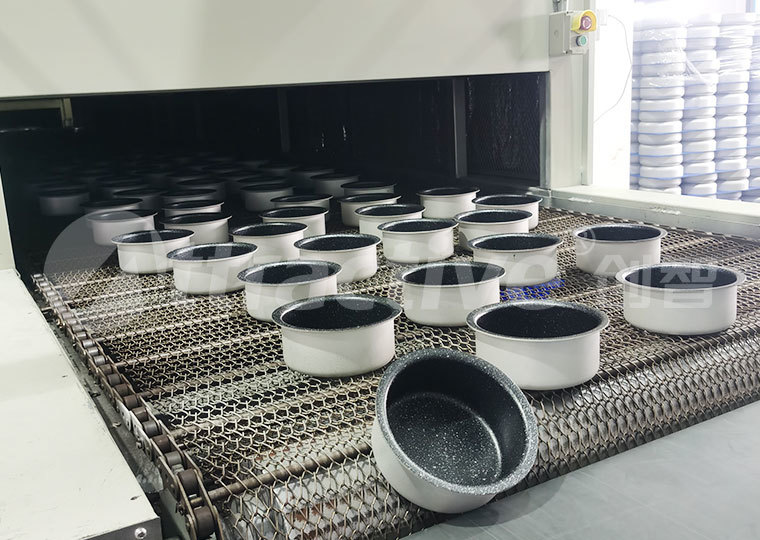
Before choosing equipment, manufacturers should evaluate several practical factors. First, consider the size, shape, material, and weight of the workpieces. These determine the suitable conveying method, spray arrangement, and loading requirements.
Second, define the required production capacity and expected operating schedule. The conveying speed, spraying stations, and drying or curing capacity should work together to avoid bottlenecks. Third, assess the coating material and finishing specifications, including the required film thickness, surface appearance, and curing conditions.
Factory layout, ventilation, environmental protection, maintenance access, and operator safety should also be considered during system planning. For projects involving flammable coatings or solvents, the equipment and facility must be designed to meet applicable fire, electrical, ventilation, and environmental requirements.
Build a Production Line Around Your Process
A reliable spray paint production line begins with a clear understanding of the product and manufacturing process. Rather than selecting equipment based on capacity alone, manufacturers should consider coating quality, production rhythm, material consumption, maintenance needs, and future expansion.
By matching the conveying system, spray equipment, and drying or curing process to actual production requirements, businesses can establish a more organized finishing workflow and improve long-term operational efficiency. A properly planned spray painting solution supports consistent product quality while helping manufacturers adapt to changing orders and market demands.
Next Page


Contact Us
No.2 Yingbin Avenue, High-tech District, Zhaoqing City, Guangdong Province, China.
Online Message