












19
2026
-
10
Automotive Wheel Coating Line for Efficient and Consistent Surface Finishing
Author:
Chuangzhi Coating
Improving Wheel Coating Quality with Automated Production
An automotive wheel coating line is designed to provide consistent surface protection and an attractive finish for automotive wheels. As wheel manufacturers face increasing demands for appearance, coating durability, production efficiency, and cost control, an integrated coating system helps streamline the entire finishing process. For aluminium alloy wheels, accurate pretreatment, controlled spraying, and reliable curing are essential to achieving a uniform coating and stable product quality.
A Complete Process from Pretreatment to Curing
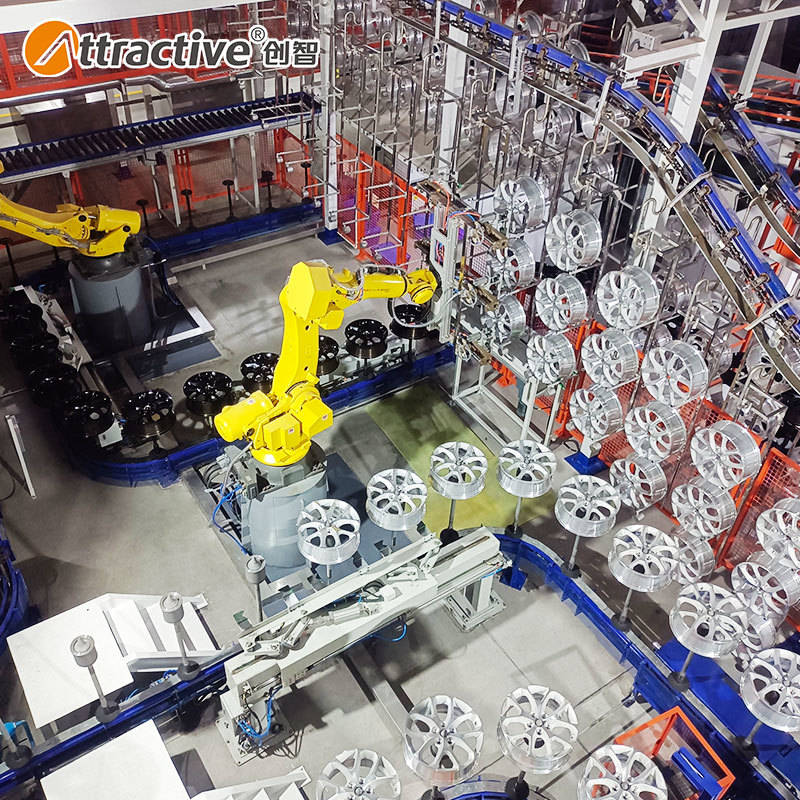
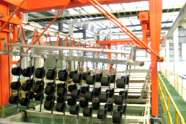
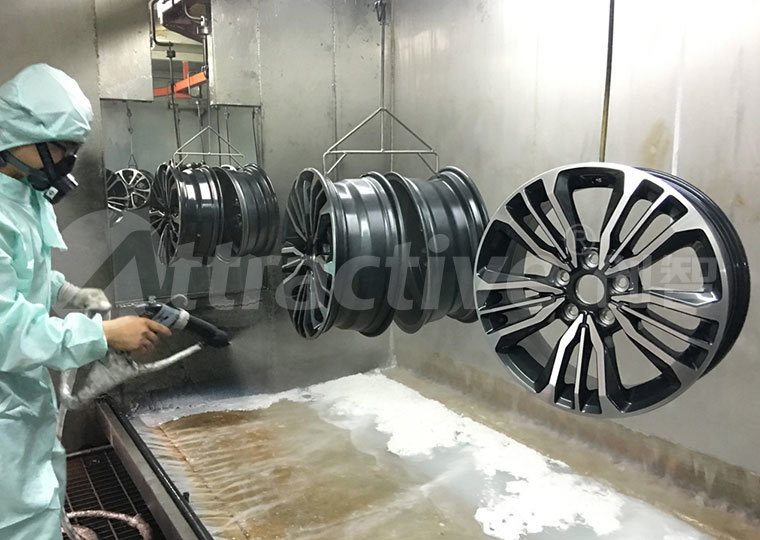
A well-planned automotive wheel painting line connects multiple operations into a coordinated production workflow. Depending on the wheel material, coating specification, and production requirements, the process may include loading, degreasing, rinsing, pure water washing, water blowing, moisture drying, cooling, flame treatment where applicable, electrostatic dust removal, primer spraying, intermediate coating, topcoat spraying, curing, final cooling, unloading, and inspection.
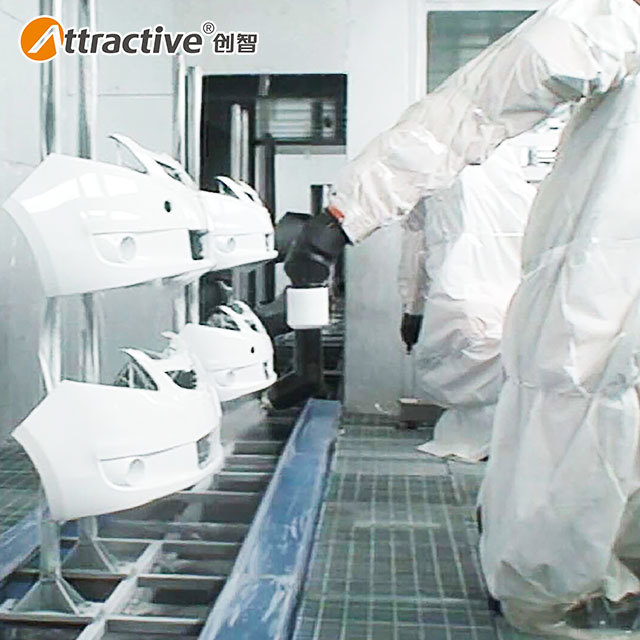
Proper pretreatment helps remove contaminants that may affect coating adhesion. Automated spraying then applies coating materials along controlled paths, helping reduce uneven coverage and improve consistency between workpieces. Intermediate drying and final curing are selected according to the coating system and process requirements. The finished wheels can then be inspected for surface appearance, coating uniformity, and other specified quality criteria.
Automated Spraying for Better Consistency
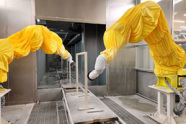
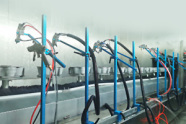
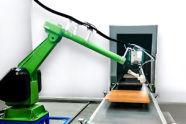
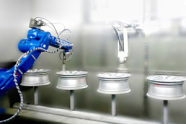
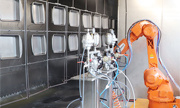
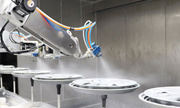
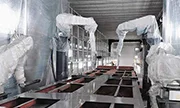
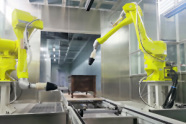
Wheel surfaces contain curved areas, spokes, recesses, and edges that can be difficult to coat evenly using manual methods. An automated wheel coating line can use robotic spraying or controlled spray equipment to manage spray paths, speed, and paint delivery. These functions help improve repeatability, reduce unnecessary overspray, and support stable production across different batches.
The equipment layout can be adapted to wheel dimensions, fixture arrangements, conveyor spacing, and required output. Appropriate process settings are established through trials and commissioning to suit the selected coating material and workpiece geometry.
Flexible Configuration for Different Production Needs
Different manufacturers may require different finishes, including single-color, two-color, or special-effect coatings. The coating system can be configured around the required paint type, application method, drying conditions, and curing temperature. Water-based or solvent-based coatings may be considered where compatible with the selected process and local environmental requirements.
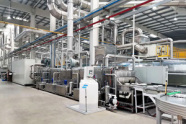
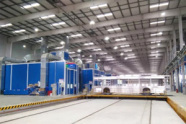
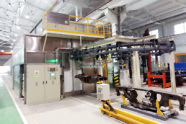
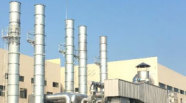
A complete solution may integrate pretreatment equipment, spray booths, conveyor systems, drying and curing ovens, and related environmental protection equipment. Coordinating these units helps reduce unnecessary handling between production stages and makes the workflow easier to manage.

Energy Efficiency and Production Management
Energy consumption, material utilization, maintenance, and unplanned downtime all influence the operating cost of a wheel painting facility. Equipment selection, suitable oven insulation, efficient heating, and heat recovery where applicable can help manage energy use. Automated controls and production monitoring can also support process consistency and make operating conditions easier to track.
The right configuration depends on target capacity, wheel specifications, available workshop space, coating requirements, and the expected production schedule. Technical planning should therefore consider the complete process rather than selecting individual machines in isolation.
Customized Automotive Wheel Coating Solutions
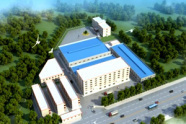
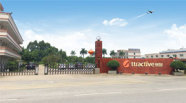
Attractivechina provides customized coating-line solutions for automotive components, including aluminium alloy wheel applications. With more than 30 years of experience in coating-line integration, the company offers project planning based on workpiece parameters, process requirements, factory layout, and production goals. Equipment dimensions, conveyor arrangements, spraying systems, and heating methods can be evaluated according to the specific project.
For manufacturers planning a new facility or upgrading an existing painting workshop, a properly designed automotive wheel coating line can help improve finish consistency, organize production flow, and support long-term operational efficiency. Sharing wheel dimensions, target output, coating specifications, and workshop conditions is a practical starting point for selecting a suitable system.
Previous


Contact Us
No.2 Yingbin Avenue, High-tech District, Zhaoqing City, Guangdong Province, China.
Online Message