
















Related News

03
2024
-
08
Advancing Efficiency: The Essentials of Non-Stick Cookware Coating Lines
Author:
Chuangzhi Coating
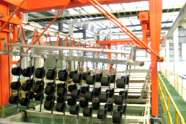
In the industrial landscape, non-stick cookware coating lines have emerged as a critical component in the production of high-performance kitchenware. These specialized coating lines are designed to apply non-stick finishes to various cookware surfaces, significantly enhancing their functionality and durability. Understanding the technology and processes involved in non-stick cookware coating lines can empower manufacturers to optimize their production capabilities.
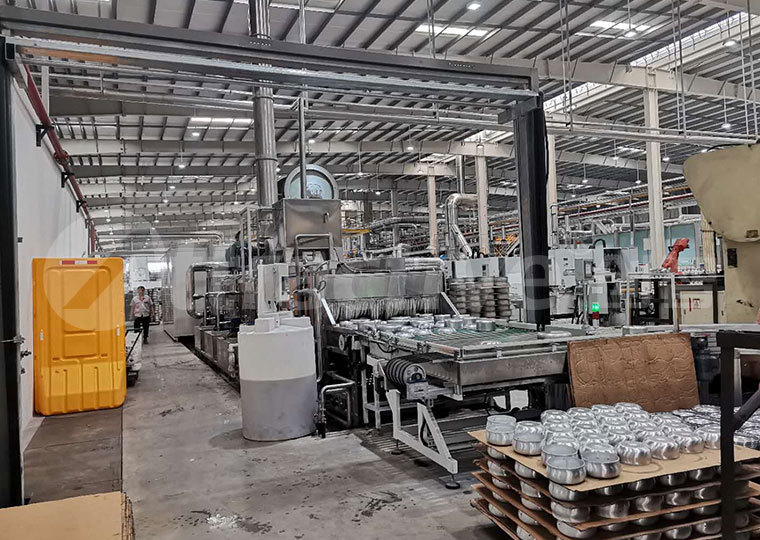
At the core of a non-stick cookware coating line is the application of advanced coating materials, typically composed of polytetrafluoroethylene (PTFE) or ceramic-based solutions. These materials provide a smooth, non-adhesive surface that allows food to be cooked without sticking, facilitating easier cleaning and maintenance. The precision in applying these coatings is crucial; thus, manufacturers often utilize automated systems for consistent and uniform application.
The coating process typically involves several stages, including surface preparation, application, curing, and quality control. Surface preparation is essential to ensure that the cookware is free from contaminants that could affect the adhesion of the coating.
Techniques such as sandblasting or chemical cleaning are commonly employed to enhance surface texture and promote better bonding.
Following preparation, the coating is applied through various methods, including spray, dip, or electrostatic deposition. Each method offers unique advantages and can be selected based on the specific requirements of the cookware being produced. After application, the coated items are cured in an oven, allowing the coating to harden and achieve its desired properties.

Quality control is a critical element in the non-stick cookware coating line. Implementing rigorous testing protocols ensures that the coatings meet safety and performance standards. This may include adhesion tests, abrasion resistance evaluations, and assessments of the non-stick properties. By maintaining high-quality standards, manufacturers can ensure that their products meet consumer expectations and regulatory requirements.
In addition to the technical specifications, manufacturers should also consider the sustainability aspects of their coating processes. The industry is increasingly moving toward eco-friendly materials and practices. Innovations in coating technologies are focusing on reducing volatile organic compounds (VOCs) and improving the recyclability of products, aligning with global environmental standards.
In conclusion, non-stick cookware coating lines play a pivotal role in the manufacturing of effective and durable kitchenware. By investing in advanced technologies and adhering to rigorous quality standards, manufacturers can enhance their production efficiency and contribute to the evolving landscape of environmentally conscious manufacturing. As the demand for high-quality cookware continues to rise, understanding the intricacies of non-stick cookware coating lines will be essential for industry professionals aiming to stay competitive.
SEO:


Contact Us
No.2 Yingbin Avenue, High-tech District, Zhaoqing City, Guangdong Province, China.
Online Message