














Related News

29
2024
-
10
Unleashing Innovation: The Future of Non-Stick Paint in Industrial Equipment
Author:
Chuangzhi Coating
Introduction to Non-Stick Paint Technology
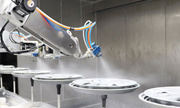
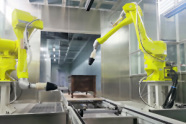
In the world of industrial equipment, non-stick paint painting production line technology represents a significant leap toward efficiency and productivity. As industries evolve and the demand for high-performance machinery increases, the need for advanced coatings that can withstand harsh conditions and facilitate easy cleaning has never been more critical. This article delves into the future of non-stick paint in industrial equipment, exploring its potential to revolutionize manufacturing processes.

Historical Development of Non-Stick Paints
The journey of non-stick paint began with the introduction of polytetrafluoroethylene (PTFE), commonly known as Teflon, in the 1930s. Initially used for cookware, its unique properties soon attracted the attention of various industries. Over the decades, advancements in chemical engineering led to the development of various formulations and applications, allowing non-stick coatings to penetrate sectors such as automotive, aerospace, and industrial machinery.
The Evolution of Coating Technologies
The evolution of coating technologies has paved the way for specialized non-stick solutions that cater to specific industrial needs. These developments have been fueled by the increasing demand for products that can withstand extreme conditions, including high temperatures, corrosive environments, and heavy wear and tear.
Applications of Non-Stick Paint in Industry
non-stick paint painting production line have found diverse applications across various industrial sectors. Understanding these applications helps illustrate the technology's versatility and effectiveness.
1. Automotive Industry
In the automotive sector, non-stick coatings are applied to components like engine parts, exhaust systems, and brake calipers. These coatings enhance durability and improve performance by reducing friction and preventing debris buildup.
2. Aerospace Applications
The aerospace industry benefits from non-stick paints through enhanced fuel efficiency and reduced maintenance. Coatings applied to aircraft components minimize ice formation and dirt accumulation, ensuring optimal performance.
3. Food Processing Equipment
In the food industry, non-stick coatings are crucial for equipment like conveyor belts and processing machinery. These coatings ensure easy cleaning, reducing downtime and maintaining hygiene standards.
4. Manufacturing Machinery
non-stick paint painting production line are increasingly used in various types of manufacturing machinery, from printing presses to molding equipment, helping to improve efficiency and product quality by preventing material sticking and buildup.
Benefits of Using Non-Stick Paint in Industrial Equipment
The adoption of non-stick paint technology in industrial settings offers several compelling advantages:
1. Enhanced Efficiency
Non-stick coatings significantly reduce friction between surfaces, leading to improved operational efficiency. Equipment runs smoother, with less wear and tear, extending the lifespan of machinery.
2. Reduced Cleaning and Maintenance Costs
One of the most significant benefits of non-stick coatings is the ease of cleaning. Surfaces coated with non-stick paint require less time and effort to clean, resulting in lower maintenance costs and reduced downtime.
3. Improved Product Quality
By minimizing the risk of adherence and contamination, non-stick coatings enhance the quality of the final product. This is particularly vital in sectors like food processing, where hygiene is paramount.
4. Increased Safety
Non-stick paints can contribute to a safer working environment by reducing the risk of accidents related to material buildup and equipment failure.
Innovative Materials in Non-Stick Coatings
As technology advances, new materials and formulations are being developed to enhance the performance of non-stick coatings.
1. Silicone-Based Coatings
Silicone-based non-stick paints offer excellent temperature resistance and durability. They are increasingly used in high-temperature applications, such as ovens and furnaces.
2. Ceramic Coatings
Ceramic-based non-stick coatings are gaining popularity due to their eco-friendliness and high-performance characteristics. They are resistant to abrasion and chemical damage, making them ideal for various industrial applications.
3. Polyurethane Coatings
Polyurethane non-stick paints provide exceptional flexibility and adhesion, expanding their use across a range of surfaces, from metal to plastic.

Future Trends in Non-Stick Coating Technology
As industries continue to innovate, several trends are emerging in non-stick coating technology:
1. Nanotechnology Integration
The integration of nanotechnology is set to revolutionize non-stick paint painting production line. Nanostructured surfaces can enhance the durability and effectiveness of coatings, making them more resistant to wear and tear.
2. Eco-Friendly Formulations
With an increasing focus on sustainability, the development of eco-friendly non-stick coatings is on the rise. Manufacturers are exploring water-based and solvent-free formulations that minimize environmental impact.
3. Smart Coatings
The concept of smart coatings involves the development of non-stick surfaces that can respond to environmental changes, enhancing functionality and performance.
Sustainability and Environmental Impact
The industrial sector is under pressure to adopt more sustainable practices, and non-stick coatings play a significant role in this transition. By reducing the frequency of equipment maintenance and cleaning, non-stick paints contribute to lower water and energy consumption. Furthermore, the shift toward eco-friendly formulations aligns with global sustainability goals.
Frequently Asked Questions
1. What are non-stick paints made of?
Non-stick paints are typically made from various materials, including PTFE, silicone, ceramics, and polyurethane, offering unique properties suited for different applications.
2. How do non-stick coatings improve maintenance?
Non-stick coatings reduce material adhesion, making it easier to clean equipment and reducing the need for frequent maintenance, ultimately lowering operational costs.
3. Can non-stick paint withstand high temperatures?
Many non-stick coatings are designed to withstand high temperatures, with specific formulations tailored for applications in extreme conditions, such as in the aerospace and automotive industries.
4. Are there eco-friendly non-stick paint options available?
Yes, there is a growing trend toward eco-friendly non-stick formulations, including water-based and solvent-free paints that minimize environmental impact.
5. What sectors benefit the most from non-stick coatings?
Several sectors benefit from non-stick coatings, including automotive, aerospace, food processing, and manufacturing, due to their efficiency, hygiene, and performance-enhancing properties.
Conclusion
The future of non-stick paint painting production line in industrial equipment is bright, characterized by innovation and a commitment to sustainability. As industries continue to evolve, the significance of non-stick coatings cannot be overstated. By improving efficiency, reducing maintenance costs, and promoting environmental responsibility, non-stick paints are poised to play a pivotal role in the advancement of industrial technology. Embracing these innovations will not only enhance operational effectiveness but also contribute to a more sustainable future for manufacturing processes.


Contact Us
No.2 Yingbin Avenue, High-tech District, Zhaoqing City, Guangdong Province, China.
Online Message