















Related News

26
2024
-
10
Enhancing Efficiency: Non-Stick Coating Solutions for Production Lines
Author:
Chuangzhi Coating
1. Introduction to Non-Stick Coatings
non-stick paint spraying production line have transformed the efficiency of production lines across various industries. These coatings, typically applied to equipment and machinery, significantly reduce friction between surfaces, which leads to smoother operations and less wear and tear. By minimizing material buildup and facilitating easy cleaning, non-stick coatings enhance productivity and reduce downtime. Understanding how these coatings work and their benefits can ensure manufacturers stay competitive in an ever-evolving market.
2. The Importance of Efficiency in Production Lines
In today’s fast-paced industrial environment, efficiency is paramount. Production lines are the backbone of manufacturing processes, and any inefficiency can lead to significant losses. Companies strive for optimized operations to meet growing demands while maintaining quality. non-stick paint spraying production line represent a critical solution for enhancing machinery performance, reducing maintenance costs, and increasing overall productivity. They help to streamline processes, cut down on labor hours, and improve the quality of the final product.
3. Types of Non-Stick Coating Solutions
Not all non-stick coatings are created equal, and selecting the right type for your application is essential. It’s imperative to understand the various types available, each with its unique properties and advantages.
3.1. PTFE (Polytetrafluoroethylene) Coatings
PTFE is perhaps the most recognized non-stick coating, commonly known by the brand name Teflon. It is renowned for its excellent non-stick properties, chemical resistance, and ability to withstand high temperatures. PTFE coatings are widely used in food processing equipment, automotive parts, and various industrial applications.
3.2. PFA (Perfluoroalkoxy) Coatings
Similar to PTFE, PFA coatings offer remarkable non-stick characteristics but with the added advantage of being melt-processable. This property allows for more complex geometries and thicker coatings. PFA coatings are ideal for applications requiring high chemical resistance and are frequently used in the pharmaceutical and chemical industries.
3.3. Ceramic Non-Stick Coatings
Ceramic non-stick coatings are becoming increasingly popular due to their durability and resistance to scratches and wear. They provide a non-toxic alternative to traditional coatings and are suitable for applications with high thermal stability. Ceramic coatings are often used in cookware and some industrial machinery.
4. Benefits of Non-Stick Coatings in Industrial Applications
Implementing non-stick coatings in production lines offers numerous benefits that can greatly enhance operational efficiency.
4.1. Reduced Friction and Wear
One of the primary advantages of non-stick coatings is their ability to reduce friction. This reduction leads to less wear on machinery components, extending their lifespan and decreasing replacement costs.
4.2. Enhanced Durability
Non-stick paint spraying production line can withstand harsh conditions, including extreme temperatures and corrosive environments. This durability translates into longer service life for equipment, ultimately saving money on repairs and replacements.
4.3. Improved Cleanliness and Hygiene
In industries such as food processing, maintaining cleanliness is essential. Non-stick surfaces are easier to clean, minimizing the risk of contamination and ensuring compliance with health regulations. This ease of cleaning contributes to higher operational standards.
5. Application Techniques for Non-Stick Coatings
The effectiveness of non-stick coatings largely depends on the application technique used. Each method has its unique advantages and is suited for different scenarios.
5.1. Spray Coating Methods
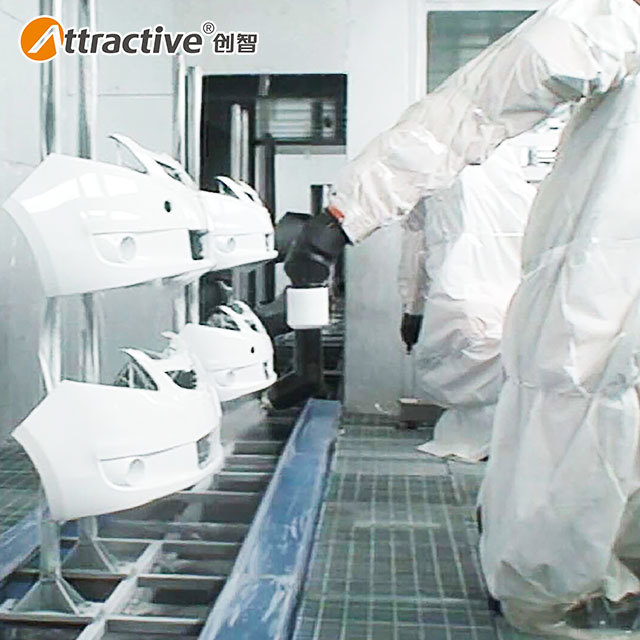
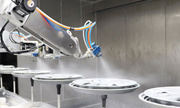
Spray coating is one of the most common methods for applying non-stick coatings. This technique allows for even coverage and can be adjusted to achieve different thicknesses. It is ideal for complex shapes and large volumes.
5.2. Dip Coating Techniques
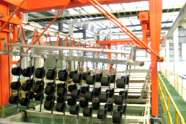
Dip coating involves submerging the substrate in a coating solution. This method ensures a uniform layer and is particularly effective for smaller parts or when a thicker coating is required.
5.3. Brush Application
While less common for industrial applications, brush application can be used for touch-ups or small parts. This method allows for precise control over the thickness of the coating but may not be as efficient for larger volumes.
6. Considerations for Implementing Non-Stick Coatings
When planning to implement non-stick coatings, several factors must be considered to ensure optimal results.
6.1. Surface Preparation
Proper surface preparation is crucial for the adhesion of non-stick coatings. This process might involve cleaning, sanding, or applying a primer to ensure a strong bond with the substrate.
6.2. Temperature Resistance
Different non-stick coatings have varying temperature tolerances. It is essential to select a coating that can withstand the operational temperatures of your production line to avoid degradation.
6.3. Environmental Impact
As awareness of environmental issues increases, manufacturers must consider the ecological impact of the coatings they use. Opting for eco-friendly non-stick solutions can enhance a company's sustainability profile while maintaining performance.
7. Case Studies: Successful Implementation of Non-Stick Coatings
Real-world applications highlight the effectiveness of non-stick coatings in improving production line efficiency. For instance, a food processing plant implemented PTFE coatings on its conveyor belts, resulting in a 30% reduction in downtime related to maintenance and cleaning. Similarly, a manufacturer of automotive components reported a significant decrease in the wear of molds after switching to ceramic non-stick coatings, extending the lifespan of their tooling.
8. FAQs About Non-Stick Coating Solutions
What industries benefit from non-stick coatings?
Non-stick coatings are widely used in industries such as food processing, automotive, aerospace, and pharmaceuticals.
How long do non-stick coatings last?
The lifespan of non-stick coatings can vary, but with proper application and maintenance, they can last several years.
Are non-stick coatings safe for food contact?
Yes, many non-stick coatings, such as PTFE and ceramic, are safe for food contact when applied correctly and used within their temperature limits.
Can non-stick coatings be reapplied?
Yes, non-stick coatings can be reapplied after the original coating wears off, provided the substrate is adequately prepared.
What is the cost of applying non-stick coatings?
The cost can vary based on the type of coating, application method, and size of the project. However, the long-term savings in maintenance and efficiency often justify the initial investment.
9. Conclusion
In conclusion, non-stick paint spraying production line represent a vital technology for enhancing efficiency in production lines. By reducing friction, improving durability, and simplifying maintenance, these coatings help manufacturers optimize their operations and remain competitive. As industries continue to evolve, the adoption of advanced non-stick solutions will play a crucial role in driving productivity and ensuring high standards of quality and safety. By carefully selecting the appropriate type of coating and application technique, businesses can unlock significant improvements in their production processes, paving the way for a more efficient future.
SEO:


Contact Us
No.2 Yingbin Avenue, High-tech District, Zhaoqing City, Guangdong Province, China.
Online Message