













Related News

01
2024
-
11
Unleashing Innovation: Latest Technological Advancements in Non-Stick Paint Coating Equipment
Author:
Chuangzhi Coating
Introduction to Non-Stick Paint Coatings
Non-stick paint coating production line have revolutionized how many industries approach product durability and maintenance. These coatings are primarily designed to reduce friction and prevent adhesion, making them essential in various applications—from kitchenware to industrial machinery. As industries evolve, so do the technologies that support them. This article delves into the latest advancements in non-stick paint coating equipment, showcasing how innovation is paving the way for more efficient manufacturing processes.

What Are Non-Stick Coatings?
Non-stick coatings are specialized surface treatments that prevent materials from adhering to surfaces, thereby enhancing functionality and longevity. Typically made from materials like polytetrafluoroethylene (PTFE) or ceramic compounds, these coatings provide a smooth finish that is easy to clean and maintain.
Types of Non-Stick Coatings
There are several types of non-stick coatings available, each suited for specific applications:
- PTFE Coatings: Known for their exceptional non-stick properties and high heat resistance, making them popular in cookware and industrial applications.
- Ceramic Coatings: An eco-friendly alternative that offers non-stick properties without the use of PTFE, suitable for cookware and food processing equipment.
- Silicone Coatings: Offering flexibility and high-temperature resistance, these coatings are often used in baking trays and food molds.
Importance of Non-Stick Coatings in Manufacturing
The significance of non-stick coatings in manufacturing cannot be overstated. These coatings enhance product performance, reduce downtime, and lower maintenance costs, ultimately leading to increased efficiency. Some critical benefits include:
- Reduced Friction: Non-stick coatings minimize friction, which helps in smoother operation and prolongs the life of machinery.
- Ease of Cleaning: Surfaces coated with non-stick materials require less effort to clean, thereby saving time and resources.
- Increased Durability: Non-stick coatings protect surfaces from wear and tear, significantly increasing the lifespan of equipment and products.
Recent Technological Advancements in Non-Stick Paint Coating Equipment
Technological advancements in non-stick paint coating equipment have been remarkable, driving innovation and efficiency within the industry. These advancements are not only enhancing product quality but are also contributing to sustainable manufacturing practices.
Advanced Materials Used in Non-Stick Coatings
The development of new materials has played a critical role in enhancing the performance of non-stick coatings. Researchers are focusing on creating more robust and environmentally friendly materials that can withstand extreme conditions.
- Nano-Coatings: These innovative coatings utilize nanoparticles to improve surface properties, resulting in enhanced durability and resistance to scratches.
- Hybrid Coatings: Combining various materials to achieve superior non-stick properties and chemical resistance, hybrid coatings are gaining popularity in industrial applications.
Eco-Friendly Non-Stick Coatings
With growing environmental concerns, the demand for eco-friendly non-stick coatings has surged. Manufacturers are now exploring biodegradable options and coatings free from harmful chemicals, making them safer for both users and the environment.
- Water-Based Coatings: These coatings minimize volatile organic compounds (VOCs) emissions and are becoming a popular choice in the food processing and cookware industries.
- Biodegradable Polymers: The introduction of biodegradable polymers in non-stick coatings represents a significant step toward sustainable manufacturing.
Automation and Smart Technology in Coating Processes
The integration of automation and smart technology in non-stick coating processes is transforming the industry. Automated systems ensure consistent application, reduce human error, and enhance operational efficiency.
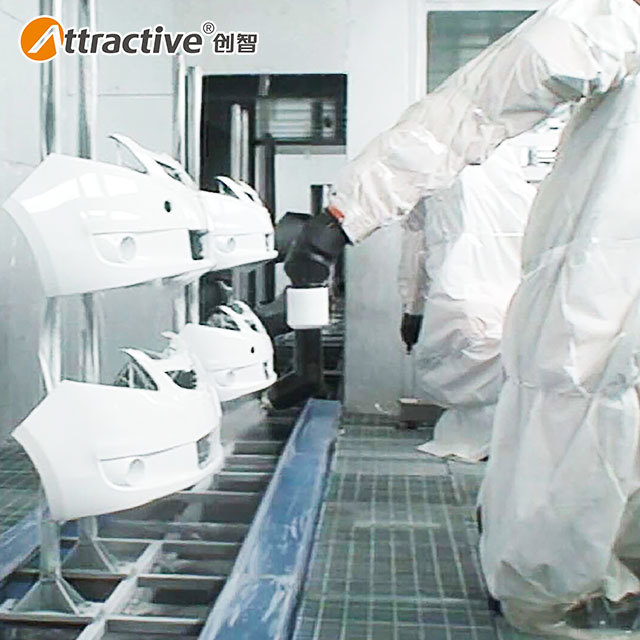
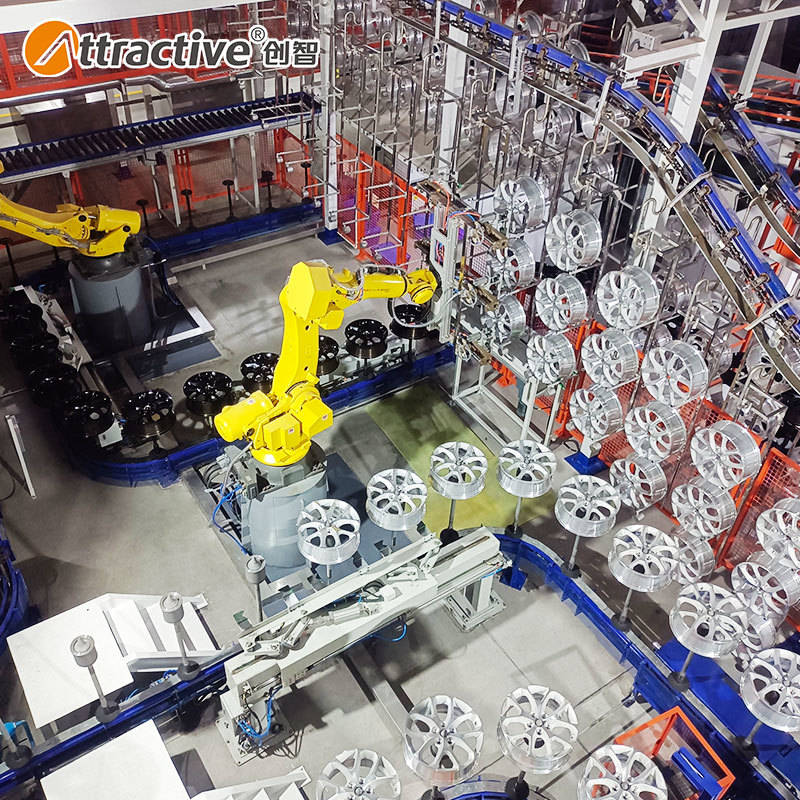
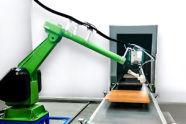
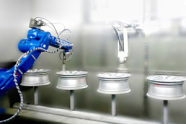
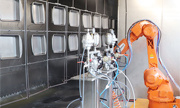
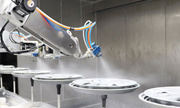
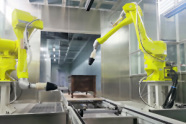
- Robotic Application Systems: Utilizing robotic arms for precise application of non-stick coatings allows for uniform coverage and reduced waste.
- IoT Integration: The Internet of Things (IoT) enables real-time monitoring of coating processes, allowing manufacturers to optimize production and reduce downtime.
Applications of Non-Stick Coatings Across Industries
Non-stick coatings are utilized in a plethora of industries, each benefiting from their unique properties.
1. Cookware and Kitchen Appliances
In the culinary world, non-stick coatings are essential for pots, pans, and baking trays, providing easy food release and effortless cleaning.
2. Automotive Industry
Non-stick coatings are used in automotive parts to reduce friction and wear, improving the efficiency of engines and other components.
3. Aerospace and Defense
In these high-performance sectors, non-stick coatings are crucial for reducing weight and enhancing the reliability of components subjected to extreme conditions.
4. Electronics
Non-stick coatings protect delicate electronic components from dust and moisture, ensuring longevity and performance.
5. Medical Devices
In the medical field, non-stick coatings are employed in surgical instruments and devices, crucial for maintaining hygiene and preventing biofilm formation.
Future Trends in Non-Stick Paint Coating Technology
The future of non-stick paint coating technology looks promising, with several trends shaping the industry's landscape.
Sustainability as a Priority
As the focus on sustainability increases, manufacturers are expected to prioritize eco-friendly practices, opting for sustainable materials and processes.
Smart Manufacturing
The rise of smart manufacturing technologies will continue to influence non-stick coating processes, enhancing efficiency and reducing costs.
Customization and Versatility
The demand for customizable non-stick coatings to meet specific application needs will drive innovation, leading to more versatile solutions.

Challenges and Solutions in Non-Stick Coating Equipment
Despite the advancements, challenges remain in the non-stick coating sector, necessitating innovative solutions.
Quality Control
Ensuring consistent quality in non-stick coatings is critical. Implementing rigorous testing and quality assurance protocols can mitigate this challenge.
Cost Management
The costs associated with advanced non-stick coating equipment can be significant. Manufacturers can explore leasing options or co-investing in technology to manage expenditures effectively.
Regulatory Compliance
Navigating environmental regulations can be complex. Staying informed and adopting eco-friendly materials can help manufacturers comply with evolving standards.
Frequently Asked Questions
1. What are the advantages of using non-stick coatings?
Non-stick coatings provide numerous benefits, including reduced friction, ease of cleaning, increased durability, and improved product performance.
2. Are non-stick coatings safe for food contact?
Yes, many non-stick coatings, especially those that are eco-friendly and free from harmful chemicals, are safe for food contact.
3. How do I maintain non-stick coatings?
To maintain non-stick coatings, avoid using metal utensils, clean with soft sponges, and avoid high-heat cooking methods that could damage the coating.
4. What industries benefit most from non-stick coatings?
Industries such as cookware manufacturing, automotive, aerospace, electronics, and medical devices benefit significantly from non-stick coatings.
5. What is the future of non-stick coatings?
The future of non-stick coatings involves advances in sustainability, smart manufacturing, and customization to meet specific industry needs.
Conclusion
Non-stick paint coating equipment is witnessing a wave of innovation that has the potential to reshape manufacturing across various sectors. With advancements in materials, automation, and sustainability, these technologies not only enhance product performance but also contribute to a more eco-friendly manufacturing landscape. As industries continue to evolve, embracing these technological advancements will be essential for businesses aiming to stay competitive and meet the demands of a rapidly changing market.


Contact Us
No.2 Yingbin Avenue, High-tech District, Zhaoqing City, Guangdong Province, China.
Online Message