













04
2024
-
11
Innovative Solutions for Industrial Coating Production: Transforming Efficiency and Quality
Author:
Chuangzhi Coating
In today's competitive industrial landscape, the need for efficient and high-quality coating production has never been greater. Businesses are constantly seeking innovative solutions to enhance their operations, reduce costs, and meet growing demands for sustainability. This article delves into the latest advancements in industrial coating technology, focusing on how these solutions can transform the manufacturing process.

1. Understanding Industrial Coating Processes
Industrial coating encompasses various processes designed to apply protective and decorative layers to surfaces. These coatings serve multiple purposes, including corrosion resistance, aesthetic appeal, and chemical protection. The most common types of industrial coatings include powder coatings, liquid coatings, and electrocoatings. Understanding these processes is essential for implementing effective and innovative solutions.
Types of Industrial Coatings
Each type of coating has its unique characteristics and applications:
- Powder Coatings: These coatings are applied as dry powder and cured under heat, providing a durable finish.
- Liquid Coatings: Applied as a liquid and typically used for a variety of surfaces, these coatings dry through evaporation or chemical reaction.
- Electrocoatings: Utilizing an electrical current, these coatings ensure uniform coverage on complex shapes.
2. Key Challenges in Coating Production
The industrial coating sector faces several challenges that impede efficiency and quality. Identifying these challenges is the first step towards effective solutions.
Cost Management
As raw material prices fluctuate, managing costs while maintaining quality becomes essential for manufacturers. Innovative solutions that optimize resource usage can help mitigate these challenges.
Quality Control
Maintaining consistent quality across production batches is crucial. Variability can arise from factors such as mixing ratios, application methods, and environmental conditions. Implementing innovative monitoring technologies can ensure adherence to quality standards.
Environmental Regulations
With stringent environmental regulations, companies must adopt eco-friendly practices. Finding solutions that comply with these regulations while maintaining efficiency is critical.
3. Emerging Innovative Solutions for Coating Production
Innovation is reshaping the coating industry, leading to the development of new technologies that enhance production processes.
Automated Coating Systems
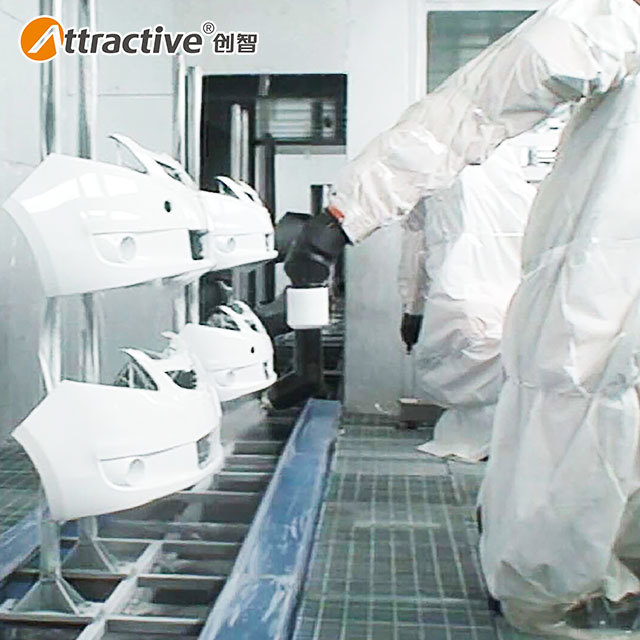
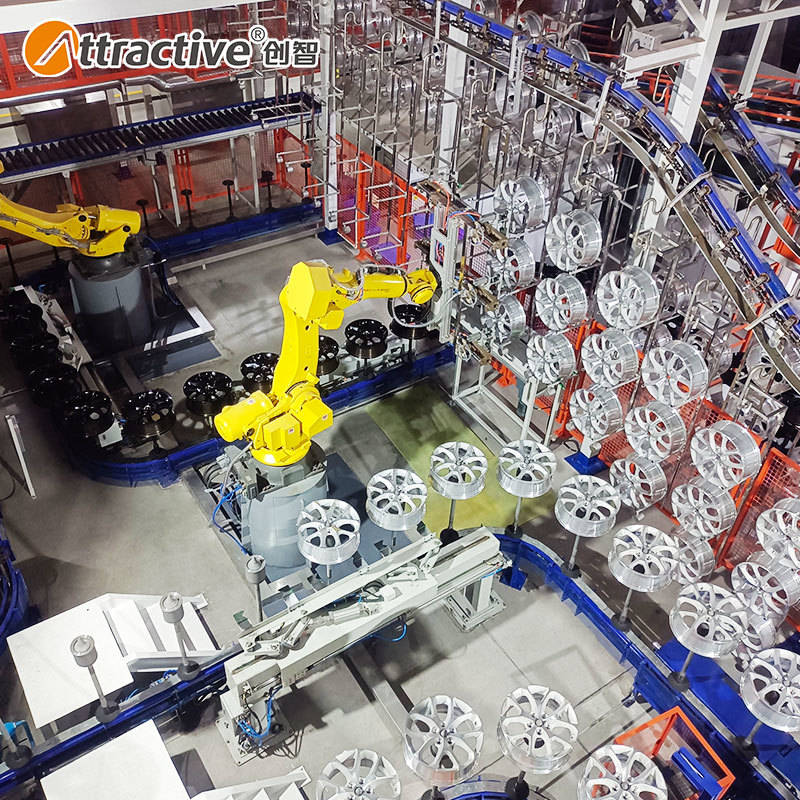
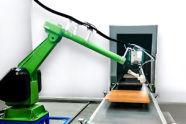
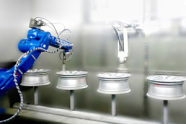
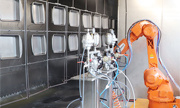
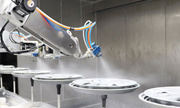
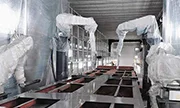
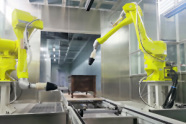
Automation in coating application is revolutionizing the industry. Automated systems can reduce labor costs, improve precision, and enhance consistency. By integrating robotics and advanced controls, companies can achieve higher productivity.
Smart Coating Technologies
Smart coatings embedded with sensors can provide real-time feedback on performance and condition. These technologies allow for proactive maintenance and timely interventions, thus extending the life of the coated products.
Advanced Surface Preparation Techniques
Surface preparation is critical for achieving strong adhesion and optimal coating performance. Innovative techniques, such as plasma treatment and laser ablation, are gaining popularity for their ability to create superior surface profiles.
4. Advancements in Coating Technology
Technological advancements are pivotal in enhancing industrial coating production. Here are some key breakthroughs:
Nanotechnology in Coatings
Nanotechnology is paving the way for high-performance coatings. By manipulating materials at the nanoscale, manufacturers can create coatings that offer enhanced durability, scratch resistance, and self-cleaning properties.
3D Printing of Coatings
3D printing technology is being explored to create custom coating applications. This innovation allows for precise control over coating thickness and patterns, opening new possibilities in design and functionality.
Eco-Friendly Coating Formulations
Developing low-VOC (volatile organic compounds) and water-based coatings is a significant trend in the industry. These formulations not only comply with regulations but also reduce environmental impact without compromising quality.
5. Sustainability in Industrial Coating Production
The push for sustainability is reshaping the industrial coating landscape. Companies are exploring various strategies to minimize their ecological footprint.
Waste Reduction Strategies
Implementing lean manufacturing principles can significantly reduce waste in coating production. By optimizing processes and recycling materials, companies can enhance sustainability while lowering costs.
Energy Efficiency Improvements
Energy-efficient equipment and practices are crucial for reducing the overall energy consumption of coating processes. Innovations in curing technology and energy recovery systems can lead to significant savings.
Life Cycle Assessment (LCA)
Conducting a life cycle assessment enables companies to evaluate the environmental impacts of their coatings throughout their entire lifecycle. This holistic approach supports informed decision-making and helps in designing sustainable products.
6. Real-World Case Studies of Innovative Coating Solutions
To illustrate the impact of innovative solutions in the coating industry, we will examine a few notable case studies.
Case Study: Automated Powder Coating Line
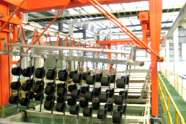
A leading manufacturer implemented an automated powder coating line, resulting in a 30% increase in productivity and a significant reduction in material waste. The integration of robotics and real-time monitoring allowed for precise application and consistent quality.
Case Study: Nanotechnology-Enhanced Coatings
Another company adopted nanotechnology in their coating formulations, leading to a 50% improvement in scratch resistance. This advancement not only enhanced product performance but also elevated customer satisfaction and market competitiveness.
7. Future Trends in Industrial Coating Production
The future of industrial coating production is bright, with several emerging trends set to shape the industry.
Integration of Artificial Intelligence (AI)
AI is poised to revolutionize the coating industry by enabling predictive maintenance, optimizing processes, and improving quality control. The ability to analyze vast amounts of data will lead to smarter decision-making.
Increased Customization
As customer demands evolve, the need for customized coatings is growing. Technologies that allow for tailored solutions will become increasingly important in meeting specific requirements across various industries.
Collaborative Manufacturing Models
The rise of collaborative models, where multiple stakeholders work together in the coating supply chain, will foster innovation and efficiency. Sharing resources and knowledge can lead to breakthroughs that benefit the entire industry.
8. Frequently Asked Questions
What are the main benefits of using automated coating systems?
Automated coating systems enhance productivity, improve consistency, and reduce labor costs. They provide precise application and minimize human error, resulting in higher quality finishes.
How do eco-friendly coatings compare to traditional coatings?
Eco-friendly coatings typically have lower VOC emissions and are made from sustainable materials, making them better for the environment. They can offer comparable performance to traditional coatings while meeting regulatory standards.
What role does nanotechnology play in industrial coatings?
Nanotechnology improves the properties of coatings, such as durability and resistance to scratches and stains. It allows for the development of coatings with advanced functionalities, including self-cleaning capabilities.
How can companies improve sustainability in their coating operations?
Companies can enhance sustainability by adopting waste reduction strategies, implementing energy-efficient technologies, and utilizing eco-friendly coating formulations.
What are the future trends in industrial coating production?
Future trends include the integration of AI, increased customization of coatings, and collaborative manufacturing models that foster innovation and efficiency.
Conclusion
Innovative solutions are transforming industrial coating production, driving efficiency, quality, and sustainability. By adopting advanced technologies and embracing new methodologies, businesses can overcome challenges and meet the demands of a competitive market. As we look to the future, staying informed about emerging trends and technologies will be crucial for anyone involved in the coating industry. Embracing these innovations not only enhances operational performance but also positions companies for long-term success in an evolving landscape.


Contact Us
No.2 Yingbin Avenue, High-tech District, Zhaoqing City, Guangdong Province, China.
Online Message