

















10
2024
-
11
Streamlining Operations: Enhancing Workflow with Non-Stick Painting Lines
Author:
Chuangzhi Coating
1. Introduction to Non-Stick Painting Lines
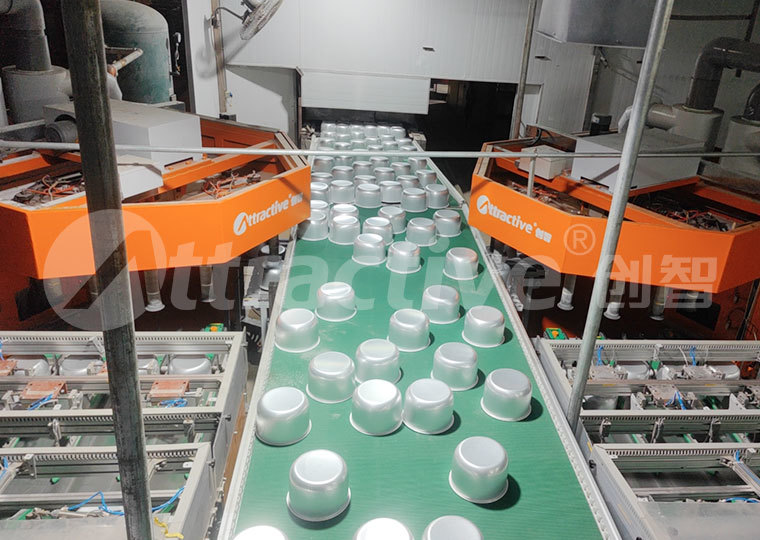
In the ever-evolving landscape of industrial manufacturing, efficiency and productivity are paramount. non stick painting line have emerged as a groundbreaking solution that transforms traditional painting processes. By minimizing paint adhesion to machinery and components, these systems streamline operations, reduce maintenance costs, and enhance overall workflow. Understanding the intricacies of these advanced systems is crucial for any manufacturer aiming to stay competitive.
2. Benefits of Non-Stick Painting Lines in Industrial Settings
The integration of non-stick painting lines into manufacturing environments offers a multitude of advantages.
2.1 Enhanced Efficiency
Non-stick surfaces drastically reduce the need for frequent cleanings and maintenance. When paint does not adhere to the machinery, downtime is significantly decreased, allowing for more painted products and improved throughput.
2.2 Cost Savings
Although the initial investment may be substantial, the long-term savings associated with reduced maintenance, lesser downtime, and decreased paint wastage can be considerable. Non-stick lines optimize resource use, ultimately leading to lower operational costs.
2.3 Improved Quality Control
With less paint transfer and contamination, non-stick painting lines enhance the quality of the final product. This results in fewer defects and, subsequently, lower rework and scrap rates.
2.4 Environmentally Friendly Operations
By minimizing paint wastage and volatile organic compound (VOC) emissions, non-stick painting lines contribute to greener manufacturing practices. This aligns with the global push for sustainability and compliance with environmental regulations.
3. The Technology Behind Non-Stick Painting Lines
Understanding the technology that powers non-stick painting lines reveals their efficacy and potential for revolutionizing industrial painting processes.
3.1 Coating Technologies
Non-stick painting lines utilize advanced coating technologies, such as fluoropolymer coatings and ceramic finishes, which create a surface that paint cannot adhere to. These coatings enhance durability and prolong the lifespan of the painting apparatus.
3.2 Automated Systems
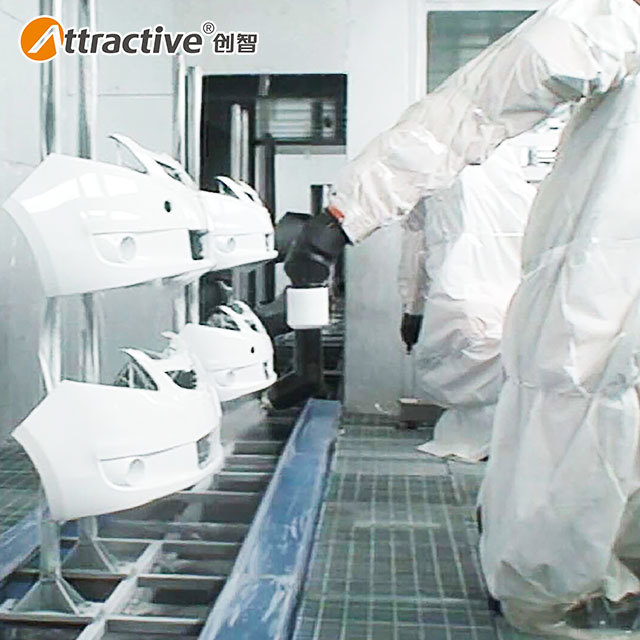
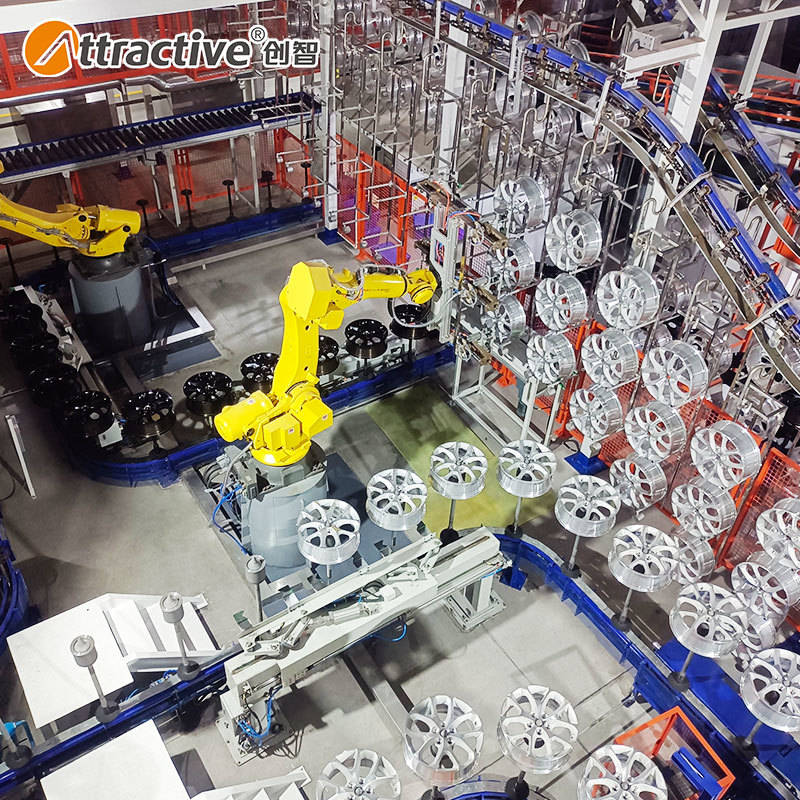
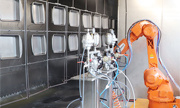
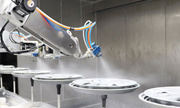
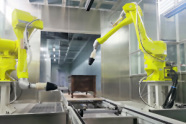
Most non-stick painting lines are integrated with automated systems for application, drying, and curing. Automation not only increases speed but also ensures consistency in paint application, leading to superior results.
3.3 Real-Time Monitoring
Modern non-stick painting lines incorporate real-time monitoring technologies that provide data on performance metrics. These insights allow for immediate adjustments to improve efficiency and output.
4. Implementing Non-Stick Painting Lines in Your Operations
Transitioning to a non-stick painting line involves several critical steps.
4.1 Assessing Your Needs
Conduct a thorough analysis of your current painting operations. Identify bottlenecks, inefficiencies, and specific requirements that a non-stick painting line could address.
4.2 Selecting the Right Equipment
Choosing the appropriate non-stick painting equipment is vital. Consider factors such as production volume, types of materials to be painted, and the specific characteristics of the non-stick coatings.
4.3 Training and Development
Invest in training your workforce on the new equipment and processes. Knowledgeable staff can operate the technology efficiently, ensuring that the transition is smooth.
5. Cost Analysis: Non-Stick Painting Lines vs. Traditional Painting Methods
When considering a switch to non-stick painting lines, a comprehensive cost analysis is essential.
5.1 Initial Investment
The initial costs of non-stick painting lines may be higher than traditional methods. However, it's important to evaluate the return on investment (ROI) over time.
5.2 Long-Term Savings
Analyze operational savings from decreased maintenance and lower paint wastage. These savings can offset the initial investment, making non-stick systems financially viable in the long run.
6. Best Practices for Using Non-Stick Painting Lines
To maximize the benefits of non-stick painting lines, adhere to these best practices.
6.1 Regular Maintenance Checks
Even non-stick systems require maintenance. Schedule regular checks to ensure that all components function optimally and maintain the integrity of non-stick coatings.
6.2 Continuous Staff Training
Regular training sessions keep staff updated on the latest technologies and techniques, fostering a culture of continuous improvement.
6.3 Optimize Paint Formulations
Work closely with paint suppliers to optimize formulations for non-stick applications. The right paint can further enhance performance and reduce issues during the application process.
7. Case Studies: Successful Implementation of Non-Stick Painting Lines
To illustrate the impact of non-stick painting lines, we present several case studies from various industries.
7.1 Automotive Industry
A leading automotive manufacturer implemented a non-stick painting line that reduced paint wastage by 30% and increased throughput by 15%. The result was a significant boost in overall productivity.
7.2 Aerospace Sector
In the aerospace sector, a company adopted non-stick painting technology, leading to a 25% reduction in maintenance costs and improved product quality. The integration of automated systems allowed for more efficient operations.
8. Frequently Asked Questions
8.1 What are non-stick painting lines?
Non-stick painting lines are specialized industrial systems that utilize advanced coatings and technologies to prevent paint adhesion on equipment and components, enhancing workflow and efficiency.
8.2 How do non-stick painting lines improve efficiency?
By reducing downtime associated with maintenance and cleaning, non-stick painting lines allow for continuous operation and faster production cycles.
8.3 Are non-stick painting lines suitable for all industries?
While primarily used in industries such as automotive, aerospace, and consumer goods, non-stick painting lines can be adapted to various sectors depending on the specific requirements.
8.4 What is the lifespan of non-stick coatings?
The lifespan of non-stick coatings varies based on usage and maintenance. However, with proper care, they can last for several years, providing ongoing operational benefits.
8.5 Can traditional painting methods be retrofitted with non-stick technology?
In many cases, traditional painting lines can be retrofitted with non-stick technologies. Consultation with equipment manufacturers can provide insights into feasible modifications.
9. Conclusion
The integration of non-stick painting lines into manufacturing operations is not merely a trend; it is a significant step towards achieving operational excellence. By enhancing workflow efficiency, reducing maintenance costs, and improving quality, these systems empower manufacturers to streamline their operations effectively. Investing in this technology not only yields immediate benefits but also positions companies for long-term success in a competitive market. Embracing non-stick painting lines is a forward-thinking strategy that leads to innovation and sustainability in industrial processes.


Contact Us
No.2 Yingbin Avenue, High-tech District, Zhaoqing City, Guangdong Province, China.
Online Message