



















Related News

28
2024
-
11
Efficiency Redefined: Maximizing Output with Robotic Electrostatic Spraying Lines
Author:
Chuangzhi Coating
Introduction to Robotic Electrostatic Spraying
The industrial landscape is constantly evolving, and one of the most significant advancements in recent years is the integration of robotic systems into traditional manufacturing processes. Robotic electrostatic spraying lines have emerged as a transformative solution in coating applications, providing unparalleled efficiency, consistency, and quality. This article delves into the mechanics, benefits, and applications of these advanced systems, aimed at helping organizations maximize their output and streamline operations.
What is Robotic Electrostatic Spraying?
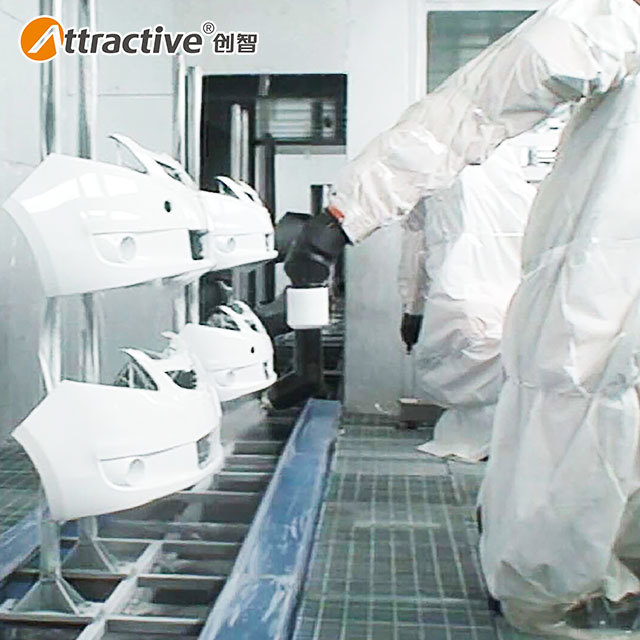
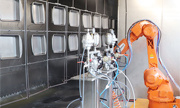
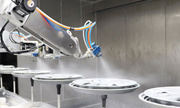
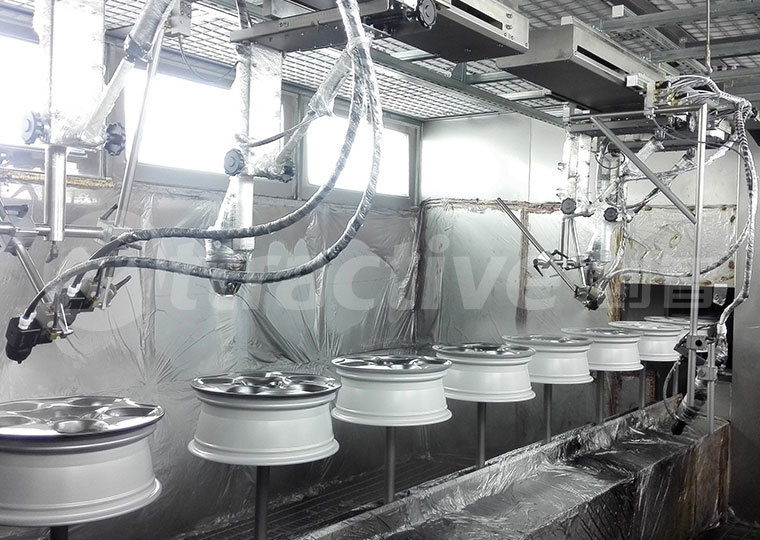
Robotic electrostatic spraying is a sophisticated coating method that utilizes electrically charged paint particles to achieve a superior finish on various surfaces. The process involves a robotic arm equipped with a spray gun that atomizes the paint while applying an electrostatic charge. This charge causes the paint particles to be attracted to the surface being coated, ensuring even coverage and minimal overspray.
How it Works
The core principle behind electrostatic spraying lies in electrostatics, which is the study of stationary electric charges. By charging the paint particles and grounding the object being painted, the particles are drawn to the surface, enhancing adhesion and reducing paint waste. This method not only improves the quality of the coating but also significantly reduces the amount of material used.
Benefits of Robotic Spraying Lines
Integrating robotic electrostatic spraying lines into manufacturing processes offers numerous advantages:
1. Enhanced Efficiency
Robotic systems can operate continuously, reducing downtime associated with manual labor. This increased efficiency translates into higher production rates and the ability to meet growing market demands.
2. Superior Finish Quality
The precision of robotic arms ensures consistent application and uniform coating thickness, leading to superior finish quality and reduced defects.
3. Cost Reduction
By minimizing material waste and improving operational efficiency, companies can achieve significant cost savings. The reduction in paint overspray also leads to decreased cleanup and disposal costs.
4. Improved Worker Safety
Automating the spraying process reduces the exposure of workers to hazardous materials and fumes, thereby improving workplace safety and compliance with health regulations.
5. Flexibility and Customization
Modern robotic systems can be easily programmed to handle various coating tasks, making them adaptable to different products and surfaces. This versatility is particularly beneficial for companies that produce a diverse range of items.

Key Components of Robotic Spraying Lines
To achieve optimal performance, several critical components work in tandem within robotic electrostatic spraying systems:
1. Robotic Arm
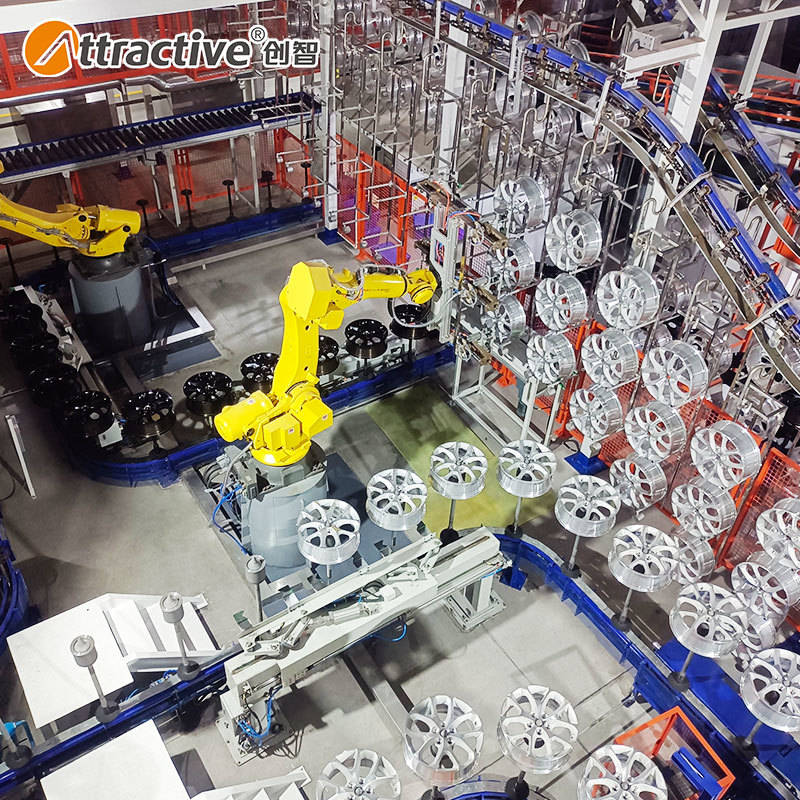
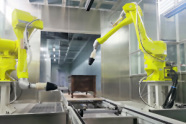
The robotic arm is the heart of the system, providing precise control over the spray gun's movement and positioning. Advanced programming allows for complex patterns and angles to be covered efficiently.
2. Spray Gun
Equipped with electrostatic technology, the spray gun atomizes paint while imparting an electric charge. Various types of spray guns are available, each suited for different materials and applications.
3. Control Systems
Advanced control systems regulate the operation of the robotic arm and monitor parameters such as paint flow, pressure, and electrostatic charge, ensuring consistent performance throughout the coating process.
4. Paint Supply System
The paint supply system delivers the correct type and amount of paint to the spray gun. It is critical for maintaining continuous operation and ensuring that the coating quality remains consistent.
5. Safety Features
Modern systems incorporate various safety features, including emergency stop buttons, safety interlocks, and monitoring systems to protect operators and equipment.
Applications of Robotic Electrostatic Spraying
Robotic electrostatic spraying lines find utility in various industries, including:
1. Automotive Industry
In the automotive sector, robotic spraying is used for coating vehicles, ensuring an even finish and reduced waste. The ability to adapt to different vehicle models enhances production flexibility.
2. Aerospace Manufacturing
Robotic systems are employed to apply coatings that protect aircraft components from corrosion and other environmental factors, meeting stringent aerospace standards.
3. Furniture Coating
The furniture industry benefits from robotic spraying by achieving a uniform finish on products with complex shapes, enhancing aesthetics while minimizing paint use.
4. Appliance Manufacturing
In the production of household appliances, robotic electrostatic spraying provides a durable finish while allowing for quick changes in color and design.
5. Industrial Equipment
Robotic systems are also used in coating industrial machinery and components, ensuring protection against wear and tear while improving the visual appeal of equipment.
Improving Efficiency in Coating Processes
To maximize output with robotic electrostatic spraying lines, organizations can implement several strategies:
1. Optimize Workflow
A well-designed workflow that minimizes movement and bottlenecks will ensure that robotic systems operate at peak efficiency. Analyzing the layout and sequence of operations can reveal areas for improvement.
2. Regular Maintenance
Implementing a preventive maintenance program for robotic systems ensures that equipment remains in optimal condition, reducing unexpected downtime and prolonging the lifespan of components.
3. Employee Training
Investing in comprehensive training for operators and maintenance personnel enhances their understanding of the technology, ensuring that they can troubleshoot issues quickly and effectively.
4. Continuous Improvement
Encouraging a culture of continuous improvement allows companies to adapt to new technologies, processes, and market demands, contributing to ongoing efficiency gains.
The Future of Robotic Spraying Technology
As technology continues to advance, the future of robotic electrostatic spraying lines looks promising. Innovations such as artificial intelligence, machine learning, and advanced robotics are set to further enhance efficiency and output.
1. AI Integration
Artificial intelligence can optimize spraying parameters in real-time, analyzing data from the spraying process to make adjustments that improve quality and reduce waste.
2. Collaborative Robots (Cobots)
The introduction of collaborative robots will enable safer interactions between humans and machines, allowing for more flexible manufacturing environments.
3. Enhanced Customization
Future robotic systems may offer even greater levels of customization, allowing companies to produce bespoke coatings that meet specific client requirements more easily.
4. Sustainability Initiatives
As industries move towards sustainable practices, robotic spraying technology will likely evolve to use eco-friendly materials and methods, reducing the environmental impact of coating processes.
FAQs
1. What industries benefit most from robotic electrostatic spraying lines?
The automotive, aerospace, furniture, appliance, and industrial equipment industries are among the primary beneficiaries of robotic electrostatic spraying technology.
2. How does robotic electrostatic spraying improve safety?
By automating the spraying process, workers have reduced exposure to hazardous materials and fumes, leading to a safer working environment.
3. Are robotic spraying lines customizable for different products?
Yes, modern robotic systems can be programmed to handle various products and coatings, providing flexibility and adaptability within manufacturing processes.
4. What maintenance is required for robotic spraying systems?
Preventive maintenance, including regular inspections, cleaning, and parts replacement, is essential for maintaining the efficiency and longevity of robotic spraying systems.
5. How do robotic systems contribute to cost savings?
By minimizing paint waste and improving operational efficiency, companies can significantly reduce material and labor costs associated with traditional manual spraying methods.
Conclusion
Robotic electrostatic spraying lines represent a significant advancement in the industrial coating sector. By harnessing the power of automation and electrostatics, these systems can maximize output, enhance finish quality, and reduce costs. As technology continues to evolve, organizations that invest in these innovative solutions will position themselves for success in a competitive marketplace, paving the way for a more efficient and sustainable future.


Contact Us
No.2 Yingbin Avenue, High-tech District, Zhaoqing City, Guangdong Province, China.
Online Message