















Related News

18
2025
-
02
How to Treat Exhaust Gas in Painting Production Lines: A Comprehensive Guide
Author:
Chuangzhi Coating
In the painting industry, managing exhaust gas is a critical aspect of ensuring environmental compliance and maintaining a safe workplace. Exhaust gases generated during the painting process often contain volatile organic compounds (VOCs), particulate matter, and other harmful substances. If not properly treated, these emissions can harm the environment and human health. In this article, Iwill explores effective methods for treating exhaust gas in painting production lines, helping businesses meet regulatory standards and improve sustainability.
1. Understanding the Sources of Exhaust Gas
Exhaust gas in painting production lines primarily comes from:
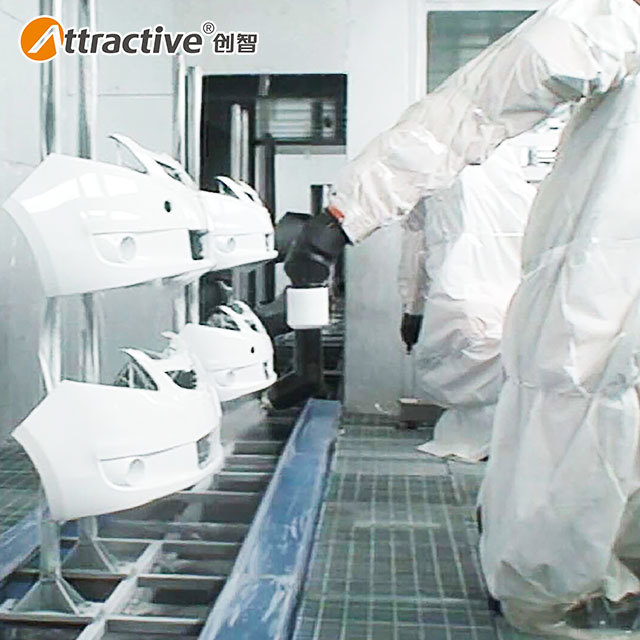
- Spray Booths: Where overspray and VOCs are released.
- Curing Ovens: Emitting gases during the drying and curing process.
- Pre-treatment Processes: Such as cleaning and degreasing, which may release chemicals.

2. Common Methods for Exhaust Gas Treatment
Several technologies are widely used to treat exhaust gas in painting production lines:
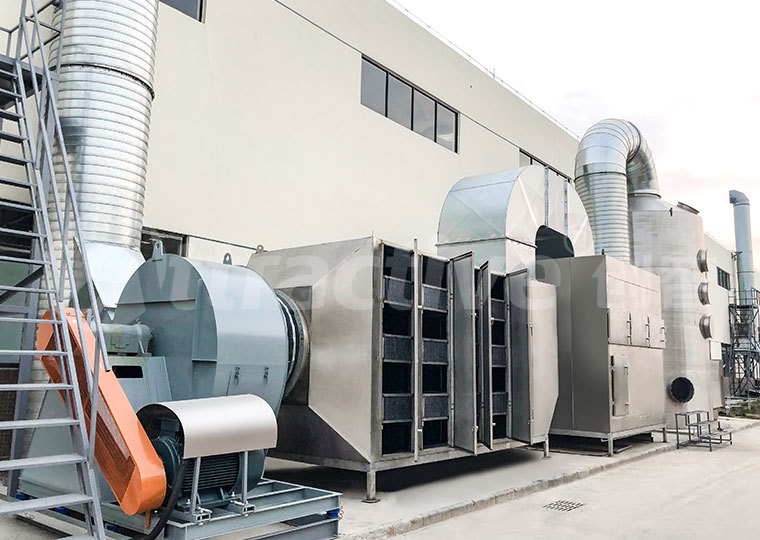
a. Activated Carbon Adsorption
Activated carbon filters are highly effective in capturing VOCs and odors. The exhaust gas passes through a bed of activated carbon, where pollutants are adsorbed. This method is cost-effective and suitable for low to moderate VOC concentrations.
b. Thermal Oxidizers
Thermal oxidizers burn VOCs at high temperatures, converting them into carbon dioxide and water. This method is ideal for high VOC concentrations and ensures high removal efficiency. Regenerative Thermal Oxidizers (RTOs) are particularly energy-efficient.
c. Catalytic Oxidation
Catalytic oxidizers use a catalyst to break down VOCs at lower temperatures compared to thermal oxidizers. This method is energy-efficient and effective for treating exhaust gases with moderate VOC levels.
d. Wet Scrubbers
Wet scrubbers use water or chemical solutions to remove particulate matter and soluble gases from the exhaust stream. They are particularly useful for capturing dust and water-soluble pollutants.
e. Biofiltration
Biofilters use microorganisms to degrade VOCs and other pollutants. This eco-friendly method is suitable for low-concentration exhaust gases and offers a sustainable solution.
3. Choosing the Right Solution
Selecting the appropriate exhaust gas treatment method depends on factors such as:
- The type and concentration of pollutants.
- Production volume and operational requirements.
- Regulatory standards and environmental goals.
- Budget and energy efficiency considerations.
4. Benefits of Effective Exhaust Gas Treatment
- Environmental Compliance: Meeting local and international emission standards.
- Improved Air Quality: Reducing harmful emissions for a safer workplace.
- Enhanced Reputation: Demonstrating commitment to sustainability.
- Cost Savings: Reducing waste and potential fines.
5. Conclusion
Treating exhaust gas in painting production lines is essential for environmental protection and regulatory compliance. By implementing the right technologies, businesses can minimize their environmental footprint, improve operational efficiency, and contribute to a cleaner future. Investing in advanced exhaust gas treatment solutions not only benefits the planet but also enhances your brand's reputation and competitiveness.


Contact Us
No.2 Yingbin Avenue, High-tech District, Zhaoqing City, Guangdong Province, China.
Online Message