



















Related News

25
2025
-
02
Key Requirements for Powder Coating Application Conditions
Author:
Chuangzhi Coating
Powder coating is a popular finishing method known for its durability, environmental benefits, and high-quality finish. However, achieving optimal results requires strict adherence to specific application conditions. This article outlines the essential requirements for powder coating application, helping businesses ensure consistent quality and efficiency in their coating processes.
1. Surface Preparation
Proper surface preparation is critical for powder coating adhesion and performance. Key steps include:
- Cleaning: Remove oil, grease, dirt, and other contaminants using chemical cleaners or degreasers.
- Rust Removal: Use abrasive blasting or chemical treatments to eliminate rust and scale.
- Phosphating or Chromating: Apply a conversion coating to enhance adhesion and corrosion resistance.
2. Environmental Conditions
The environment in which powder coating is applied plays a significant role in the outcome:
- Temperature: Maintain a controlled temperature between 18°C and 25°C (64°F to 77°F) for optimal powder flow and adhesion.
- Humidity: Keep relative humidity below 60% to prevent moisture-related issues, such as poor adhesion or surface defects.
- Ventilation: Ensure proper airflow to remove overspray and maintain a clean workspace.
3. Equipment Setup
Using the right equipment and settings is essential for effective powder coating:
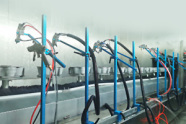
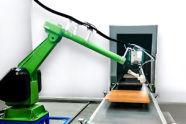
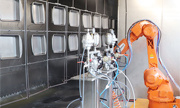
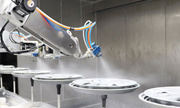
- Spray Gun: Choose a gun suitable for the powder type and application requirements. Electrostatic spray guns are commonly used for their efficiency.
- Voltage and Current: Adjust the electrostatic charge to ensure proper powder adhesion. Typically, 30-100 kV is used, depending on the material and part geometry.
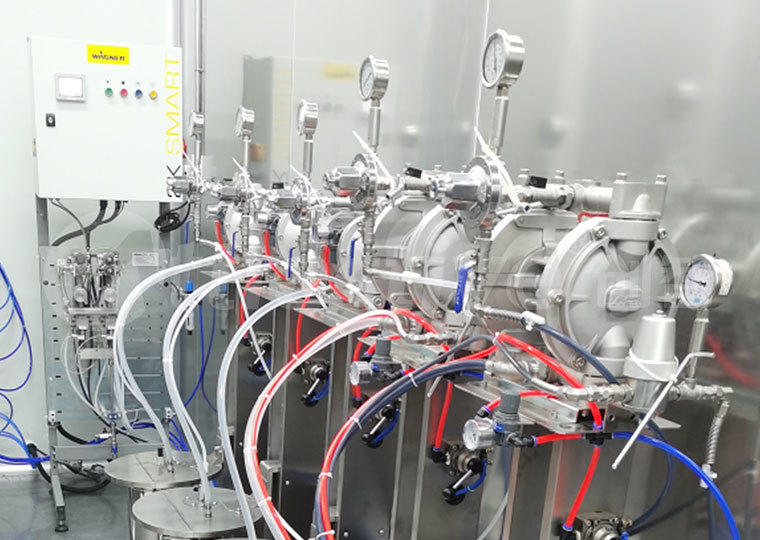
- Powder Delivery System: Ensure consistent powder flow and distribution to avoid uneven coating.
4. Powder Characteristics
The properties of the powder itself must align with the application requirements:
- Particle Size: Use powders with a consistent particle size (typically 30-50 microns) for uniform coverage.
- Storage Conditions: Store powder in a cool, dry place to prevent clumping or moisture absorption.
- Material Compatibility: Select powders that match the substrate material and intended use (e.g., epoxy, polyester, or hybrid powders).
5. Curing Process
Curing is a critical step that ensures the powder coating forms a durable finish:
- Oven Temperature: Follow the manufacturer’s recommended curing temperature, usually between 150°C and 200°C (302°F to 392°F).
- Curing Time: Ensure parts are cured for the specified duration, typically 10-20 minutes, depending on the powder and substrate.
- Uniform Heating: Use ovens with even heat distribution to prevent under-curing or over-curing.

6. Quality Control
Implementing quality control measures ensures consistent results:
- Thickness Measurement: Use a coating thickness gauge to verify the applied thickness meets specifications.
- Adhesion Testing: Perform cross-cut or pull-off tests to confirm proper adhesion.
- Visual Inspection: Check for defects such as orange peel, pinholes, or uneven coverage.
7. Safety Considerations
Powder coating involves handling fine particles and high temperatures, so safety is paramount:
- Personal Protective Equipment (PPE): Provide operators with masks, gloves, and protective clothing.
- Fire Safety: Ensure the workspace is equipped with fire extinguishers and proper ventilation to mitigate fire risks.
- Waste Management: Dispose of overspray and waste powder in accordance with environmental regulations.
8. Conclusion
Powder coating offers numerous advantages, but achieving a flawless finish depends on meeting specific application conditions. By focusing on surface preparation, environmental control, equipment setup, powder characteristics, curing processes, quality control, and safety, businesses can ensure high-quality, durable coatings. Adhering to these requirements not only improves product performance but also enhances operational efficiency and customer satisfaction.


Contact Us
No.2 Yingbin Avenue, High-tech District, Zhaoqing City, Guangdong Province, China.
Online Message