
















Related News

21
2025
-
04
Maximizing Productivity: Streamlining Non-Stick Pan Coating Processes for Enhanced Efficiency
Author:
Chuangzhi Coating
1. Introduction to Non-Stick Pan Coating
In the world of cookware manufacturing, non-stick pan coating line a significant advancement in culinary technology. The non-stick coating process plays a crucial role in determining the performance and longevity of these kitchen staples. As consumer demand for high-quality non-stick cookware continues to rise, manufacturers are tasked with maximizing productivity in their coating processes. This article delves into innovative strategies and technologies that streamline non-stick pan coating, fostering enhanced efficiency and quality.
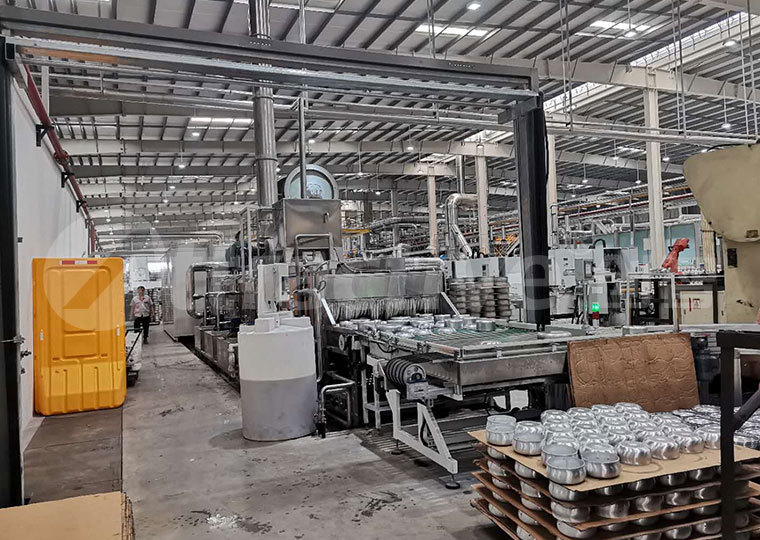
2. Importance of Efficient Coating Processes
Efficiency in non-stick coating processes is paramount for several reasons. Firstly, it directly impacts production throughput, allowing manufacturers to meet growing market demands. Secondly, an optimized coating process reduces material waste and minimizes production costs. Lastly, achieving consistency in coating quality is essential for customer satisfaction and brand reputation. By streamlining these processes, manufacturers can elevate their operational performance and remain competitive in the marketplace.
3. Technologies in Non-Stick Pan Coating
Advancements in technology have significantly transformed non-stick pan coating processes. The following techniques are widely regarded for their efficiency and effectiveness.
3.1. Spray Coating Techniques
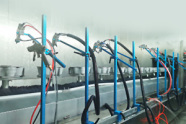
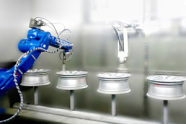
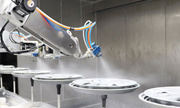
Spray coating is a prevalent method for applying non-stick surfaces to pans. This technique involves atomizing the coating material and spraying it onto the pan's surface. The benefits of spray coating include uniform application and the ability to coat complex geometries. Moreover, advancements in spray technology have led to improved transfer efficiency, which reduces material waste and enhances coating quality.
3.2. Powder Coating Innovations
Powder coating represents another innovative technique in the non-stick coating landscape. This method involves applying a dry powder to the pan's surface, which is then cured under heat to create a durable non-stick layer. Powder coatings offer several advantages, including enhanced durability, resistance to scratches, and reduced environmental impact due to lower VOC emissions. As manufacturers seek to optimize their processes, incorporating powder coating technology can lead to significant improvements in both productivity and sustainability.
4. Materials Used in Non-Stick Coatings
The choice of materials in non-stick coatings is critical for achieving the desired performance characteristics. Traditional materials such as polytetrafluoroethylene (PTFE) have been widely used due to their excellent non-stick properties. However, manufacturers are increasingly exploring alternative materials that offer enhanced durability and sustainability. For instance, ceramic-based coatings are gaining popularity as a more environmentally friendly option, providing effective non-stick properties without compromising performance.
5. Optimizing the Coating Process
To maximize productivity in non-stick pan coating processes, manufacturers must focus on optimizing workflows and implementing robust quality control measures.
5.1. Streamlining Workflow
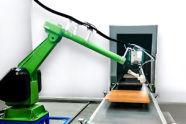
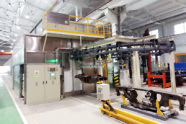
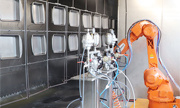
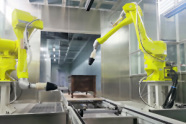
An efficient workflow is essential for minimizing downtime and maximizing output. This involves assessing the entire coating process, from preparation to curing. By implementing lean manufacturing principles, such as reducing unnecessary steps and optimizing equipment layout, manufacturers can enhance their operational efficiency. Additionally, investing in automation technologies, such as robotic arms for coating application, can significantly speed up the process while maintaining consistent quality.
5.2. Quality Control Measures
Quality control is a critical aspect of the coating process. Implementing rigorous inspection protocols at various stages of production can help identify defects early and ensure that only high-quality products reach the market. Utilizing advanced inspection technologies, such as automated vision systems, can provide real-time feedback on coating thickness and uniformity, enabling quick adjustments to the process as needed.
6. Sustainability in Coating Processes
As the manufacturing industry increasingly prioritizes sustainability, the non-stick pan coating process must also evolve. Adopting eco-friendly materials and reducing waste during production are key steps toward a more sustainable future. Manufacturers can explore water-based coatings as an alternative to traditional solvents, thereby lowering VOC emissions and the overall environmental footprint. Additionally, implementing recycling programs for defective or unused materials can further enhance sustainability efforts.
7. Industry Trends in Non-Stick Coating
The non-stick cookware market is continually evolving, influenced by consumer preferences and technological advancements. Trends such as the demand for healthier cooking options and the rise of eco-conscious consumers are shaping the direction of non-stick pan manufacturing. Manufacturers are increasingly focusing on developing coatings that are both non-toxic and environmentally friendly, catering to the growing health and sustainability concerns of consumers.
8. Frequently Asked Questions
What are the main benefits of non-stick coatings?
Non-stick coatings provide several advantages including easier food release, reduced oil usage, and simplified cleaning processes. They enhance the cooking experience by allowing for healthier cooking with less fat.
How can manufacturers improve their coating processes?
Manufacturers can improve their coating processes by investing in advanced technologies, streamlining workflows, and focusing on quality control measures. Implementing automation can also significantly enhance efficiency.
Are there environmentally friendly options for non-stick coatings?
Yes, there are several environmentally friendly options available, such as ceramic-based coatings and water-based formulations, which reduce harmful emissions and are safer for consumers.
What role does technology play in non-stick coating?
Technology plays a crucial role by enabling more efficient application methods, improving coating quality, and allowing for real-time monitoring of production processes to ensure consistency.
How can sustainability be integrated into non-stick pan manufacturing?
Sustainability can be integrated by using eco-friendly materials, minimizing waste, and adopting manufacturing practices that reduce environmental impact, such as recycling programs and energy-efficient equipment.
9. Conclusion
Maximizing productivity in non-stick pan coating processes is essential for manufacturers aiming to meet the demands of a competitive market. By embracing innovative technologies, optimizing workflows, and focusing on sustainability, manufacturers can enhance efficiency and product quality. Understanding the importance of these factors not only elevates operational performance but also aligns with consumer preferences for healthier and more eco-friendly cookware. As the industry continues to evolve, staying ahead of trends and adopting best practices will be vital for success in the non-stick cookware market.
SEO:


Contact Us
No.2 Yingbin Avenue, High-tech District, Zhaoqing City, Guangdong Province, China.
Online Message