






















Related News

05
2025
-
05
Revolutionizing Wheel Hub Coating: A Comprehensive Guide to Advanced Coating Technologies
Author:
Chuangzhi Coating
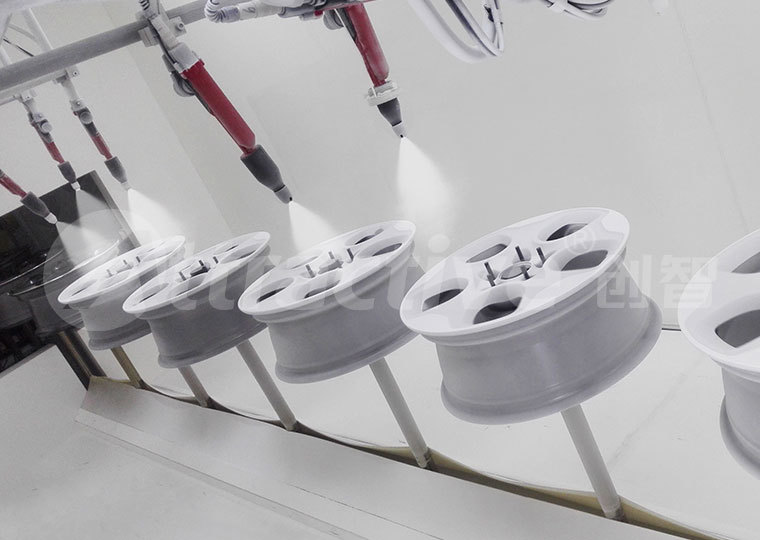
The wheel hub is a critical component in any vehicle, serving as the connection between the wheel and the axle. Ensuring that wheel hubs are adequately coated is vital for enhancing their performance, longevity, and aesthetic appeal. The revolution in wheel hub coating line technologies focuses on employing advanced methods and materials to achieve superior results. In this guide, we will delve into the evolution of these coating technologies, highlighting innovations that are transforming the automotive landscape.
The Importance of Quality Coating for Wheel Hubs
Quality coating of wheel hubs is essential for several reasons:
Durability and Corrosion Resistance
A high-quality coating protects wheel hubs from environmental factors such as moisture, salt, and road grime, which can lead to corrosion and premature failure. Corrosion resistance is key to maintaining the integrity of these components over time.
Aesthetic Appeal
The appearance of wheel hubs can significantly influence the overall look of a vehicle. Innovative coating techniques allow for a variety of finishes that enhance visual appeal while ensuring robustness.
Performance Enhancement
Proper coating contributes to better overall performance by reducing friction and wear. Advanced coatings can also improve heat dissipation, which is vital in high-performance vehicles.
Traditional Coating Methods for Wheel Hubs
Historically, wheel hubs were treated using several conventional coating methods:
Powder Coating
Powder coating involves applying a dry powder that is then cured under heat. This method is popular due to its durability and resistance to chipping and scratching. However, it may not provide the same level of coverage on intricate designs.
Electroplating
Electroplating is a process where a metal coating is applied by using electrical current. This method ensures a uniform layer but can pose issues related to adhesion and thickness control.
Liquid Coating
Liquid coatings, including paints and varnishes, have been used widely due to their ease of application. Nonetheless, they often require multiple layers to achieve sufficient protection.
Innovative Coating Techniques Transforming the Industry
Recent advancements in coating technologies are setting new benchmarks in the industry:
Ceramic Coating
Ceramic coatings, composed of inorganic compounds, offer exceptional resistance to heat and corrosion. These coatings form a hard, protective layer that enhances durability and longevity.
Nano Coatings
Utilizing nanotechnology, nano coatings create a protective barrier at the molecular level. This innovation ensures superior resistance to environmental factors while maintaining a sleek, aesthetic finish.
Hydrophobic Coatings
Hydrophobic coatings repel water and other liquids, preventing corrosion and facilitating easy cleaning. The self-cleaning properties of these coatings are particularly advantageous in harsh environments.
Essential Materials Used in Wheel Hub Coating
The performance of wheel hub coatings is heavily dependent on the materials used:
Polyurethane Resins
Polyurethane resins are widely used for their excellent flexibility, toughness, and resistance to wear and tear. They provide a robust protective layer that can withstand varying temperatures and environmental conditions.
Epoxy Coatings
Epoxy coatings are known for their strong adhesion and chemical resistance. Their durability makes them ideal for protecting wheel hubs, especially in challenging conditions.
Thermoplastic Materials
Thermoplastic materials offer a combination of flexibility and strength. They can be reshaped when heated, making them suitable for intricate designs and applications.
Environmental Considerations in Wheel Hub Coating
As industries evolve, the focus on sustainable practices is gaining momentum. Wheel hub coating technologies are no exception:
Low VOC Coatings
Volatile organic compounds (VOCs) are harmful to the environment and human health. The development of low-VOC coatings reduces emissions and aligns with global sustainability efforts.
Recyclable Materials
The use of recyclable materials in coating production not only minimizes waste but also conserves resources, contributing to a greener future for the automotive industry.
Future Trends in Wheel Hub Coating Technologies
The future of wheel hub coating is promising, with several trends on the horizon:
Smart Coatings
The introduction of smart coatings, which can monitor their condition and repair themselves, represents a significant advancement. These coatings will reduce maintenance and extend the life of wheel hubs.
3D Printing in Coating Applications
3D printing technology is revolutionizing manufacturing processes, including coatings. The ability to create customized coatings that cater to specific requirements presents exciting opportunities.
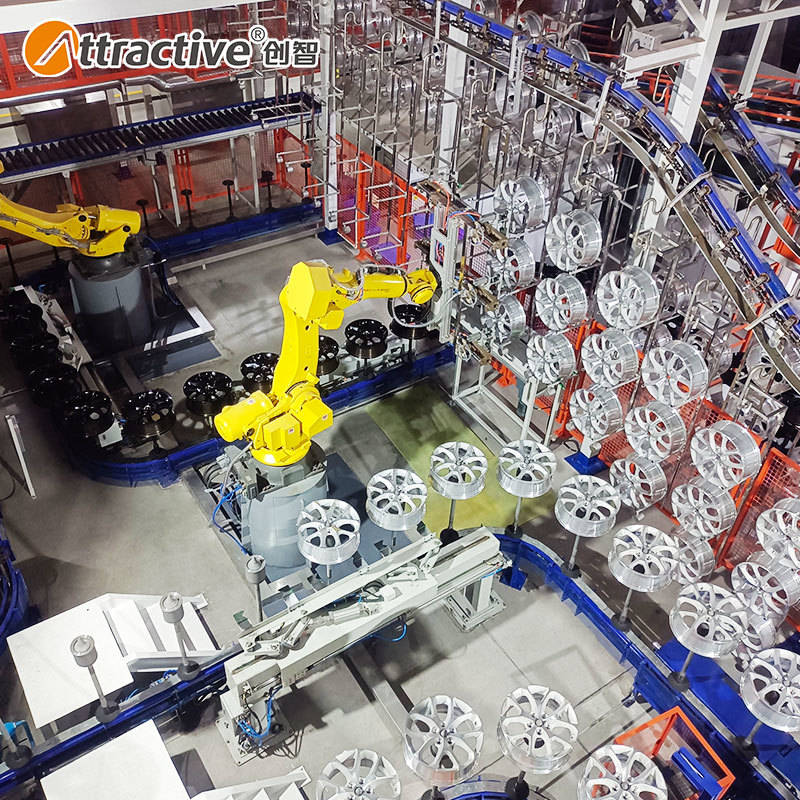
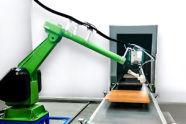
Automation in Coating Processes
Advancements in automation are streamlining coating processes, enhancing efficiency, and reducing human error. This trend is likely to lead to faster production times and lower costs.

Frequently Asked Questions (FAQs)
What is the best coating method for wheel hubs?
The best coating method depends on specific needs, but ceramic and nano coatings are gaining popularity for their durability and performance.
How long does a wheel hub coating last?
The longevity of a wheel hub coating varies based on the type used, environmental conditions, and maintenance, but high-quality coatings can last several years.
Are there eco-friendly options for wheel hub coating?
Yes, low VOC coatings and those made from recyclable materials are considered eco-friendly options in the industry.
Can I apply coating to my wheel hub myself?
While some coatings can be applied at home, professional application is recommended for optimal results and adherence, especially for advanced coatings.
What factors impact the choice of coating for wheel hubs?
Factors include environmental exposure, desired aesthetics, performance requirements, and budget considerations.
Conclusion
The advancement of wheel hub coating technologies is revolutionizing the automotive industry, leading to enhanced performance, durability, and aesthetics. By employing innovative methods and materials, manufacturers are now able to produce wheel hubs that not only withstand harsh environments but also offer sustainable solutions that align with modern environmental standards. As we continue to explore these innovations, it is clear that the future of wheel hub coating is bright, filled with potential for further advancements that will benefit both vehicles and the planet.


Contact Us
No.2 Yingbin Avenue, High-tech District, Zhaoqing City, Guangdong Province, China.
Online Message