























02
2025
-
06
Driving Performance: Strategies for Success with Electrostatic Powder Coating Lines
Author:
Chuangzhi Coating
1. Introduction to Electrostatic Powder Coating
Electrostatic powder coating is a revolutionary finishing process widely adopted in various manufacturing sectors. Unlike traditional liquid paints, this method utilizes electrically charged powder particles, which adhere to the grounded surfaces of components. The process involves several stages including application, curing, and inspection, making it a multifaceted approach to surface finishing.
The efficiency of electrostatic powder coating lines can significantly influence production outcomes. Therefore, understanding and implementing effective strategies is essential for manufacturers seeking to leverage the advantages of this technology.
2. Benefits of Electrostatic Powder Coating Lines
Electrostatic powder coating offers several benefits that contribute to its growing popularity:
- Environmental Sustainability: Powder coating is free from volatile organic compounds (VOCs), making it a more environmentally friendly option.
- Cost-Effectiveness: The process minimizes waste and allows for the recycling of unused powder, reducing material costs.
- Durability and Quality: Coatings applied through this method are known for their toughness, resistance to chipping, and exceptional finish quality.
- Versatility: A wide array of materials and finishes can be achieved, catering to various industry requirements.
3. Key Components of Electrostatic Powder Coating Lines
To maximize the performance of electrostatic powder coating lines, it is crucial to understand the key components involved:
- Pretreatment Systems: Before coating, surfaces must be cleaned and treated to ensure optimal adhesion.
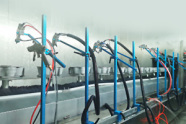
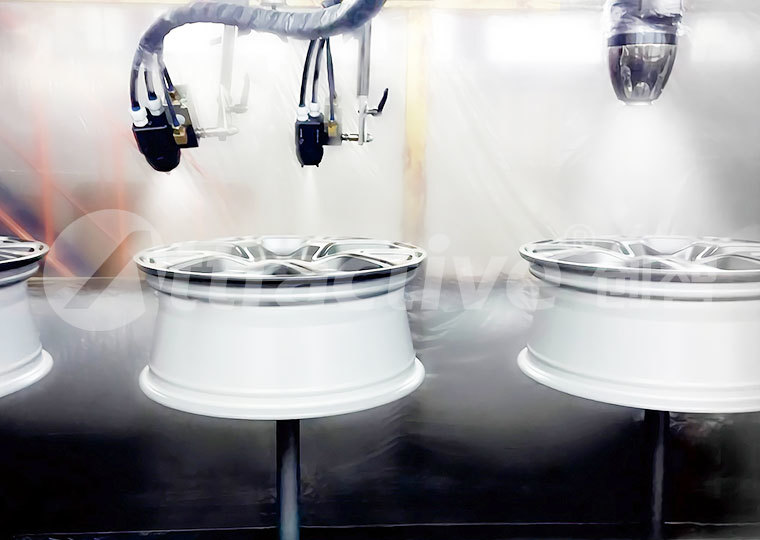
- Powder Application Equipment: This includes electrostatic spray guns and manual or automatic applicators designed for uniform coverage.
- Curing Ovens: Proper curing is vital for achieving the desired properties of the coating, ensuring durability and finish.
- Quality Control Stations: These are essential for inspecting the application process and the final product quality.
4. Strategies to Enhance Performance
To achieve the best results from electrostatic powder coating lines, manufacturers should adopt the following strategies:
4.1 Regular Equipment Maintenance
Maintaining equipment is crucial for consistent performance. Regular checks and servicing of spray guns, curing ovens, and other machinery can prevent unexpected downtimes. Implementing a robust maintenance schedule ensures that all equipment operates at peak efficiency, reducing the likelihood of defects in the coating process.
4.2 Operator Training and Skill Development
Investing in the training of operators is vital. Skilled workers are more adept at managing the complexities of the electrostatic powder coating process. Training programs should cover everything from equipment handling to troubleshooting common issues, enhancing both performance and productivity.
4.3 Process Optimization Techniques
Optimizing the coating process can lead to significant improvements in quality and efficiency. This can involve:
- Adjusting Powder Coating Thickness: Finding the right balance in thickness can prevent overuse of materials while ensuring adequate coverage.
- Monitoring Environmental Conditions: Temperature and humidity can affect the powder coating quality. Maintaining optimal conditions helps ensure repeatable results.
- Automating Processes: Where feasible, automation can enhance precision and speed, ultimately leading to increased throughput.

5. Implementing Quality Control Measures
Quality control is an integral part of the electrostatic powder coating process. Implementing strict measures can ensure that each product meets the required standards. This includes:
- Regular Inspections: Conducting inspections at various stages of the coating process helps identify problems early.
- Testing Coating Adhesion: Using standardized tests to measure adhesion strength can prevent future failures.
- Final Product Testing: A thorough assessment of the finished product ensures that it meets customer and industry requirements.
6. Environmental Considerations in Powder Coating
Manufacturers must be mindful of environmental regulations when operating electrostatic powder coating lines. This includes:
- Waste Management: Proper disposal and recycling of materials used in the coating process are essential for compliance.
- Energy Efficiency: Choosing energy-efficient ovens can minimize carbon footprints and reduce operational costs.
- Sustainable Materials: Utilizing eco-friendly powders contributes to a more sustainable manufacturing process.
7. Future Trends in Electrostatic Powder Coating Technology
The electrostatic powder coating industry is constantly evolving. Some emerging trends include:
- Advanced Powder Formulations: Research into new formulations that enhance performance and expand color options is ongoing.
- Smart Coating Technologies: Integration of IoT devices for real-time monitoring and analytics can revolutionize the process.
- Customized Coatings: There is a growing trend toward personalized coatings that meet specific customer needs.
8. Conclusion
In summary, driving performance in electrostatic powder coating lines requires a multifaceted approach that encompasses maintenance, training, optimization, and adherence to quality standards. By investing in these areas, manufacturers can not only enhance the efficiency and quality of their coating processes but also position themselves ahead of the competition. As the industry continues to evolve, staying abreast of new technologies and practices will be crucial for sustained success.
9. Frequently Asked Questions
- What is electrostatic powder coating?
Electrostatic powder coating is a finishing process that uses charged powder particles to coat surfaces, offering a durable and environmentally friendly alternative to traditional liquid paints. - How does the curing process work?
The curing process involves heating the coated item in an oven, which causes the powder to melt and form a solid, continuous film on the surface. - What are the main advantages of using electrostatic powder coating?
This method offers several benefits including environmental sustainability, cost-effectiveness, durability, and versatility in finishes. - How can I improve the efficiency of my powder coating line?
Implementing regular maintenance, investing in operator training, and optimizing the coating process are key strategies to enhance efficiency. - What trends should I watch for in the electrostatic powder coating industry?
Future trends include advancements in powder formulations, smart technologies for monitoring, and a shift towards customized coatings.


Contact Us
No.2 Yingbin Avenue, High-tech District, Zhaoqing City, Guangdong Province, China.
Online Message