

















Related News

09
2025
-
06
Understanding Aluminum Spraying Lines: Key Insights for Industry Professionals
Author:
Chuangzhi Coating
In the realm of industrial equipment and component manufacturing, aluminum spraying lines play a pivotal role in the coating and surface treatment processes. These specialized production lines are designed for the application of aluminum coatings, which offer enhanced durability, corrosion resistance, and aesthetic appeal to various substrates. Understanding the components and functioning of aluminum spraying lines is crucial for professionals in the coating industry.
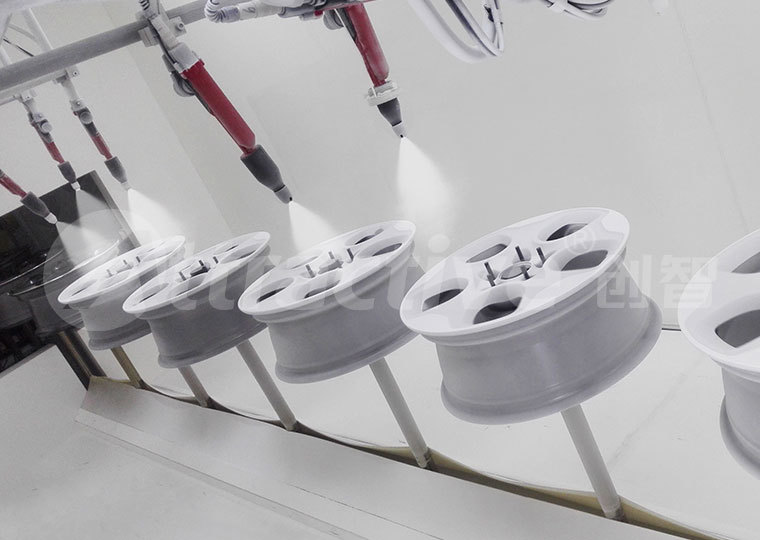
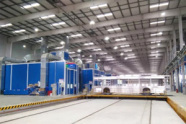
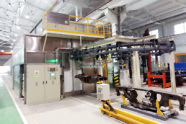
An aluminum spraying line typically consists of several key components, including pre-treatment stations, spray booths, curing ovens, and finishing areas. The pre-treatment phase is essential, as it prepares the substrate by removing contaminants and creating an optimal surface for adhesion. This step often involves cleaning, degreasing, and sometimes etching the surface to enhance the bond between the aluminum coating and the substrate.
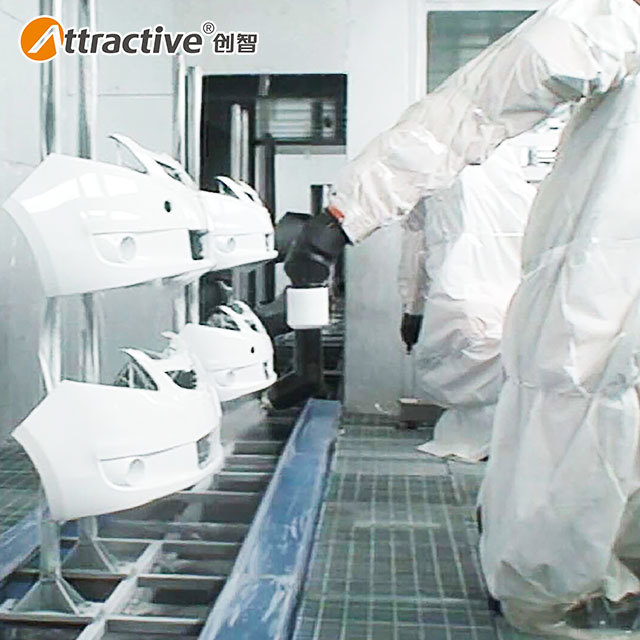
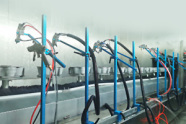
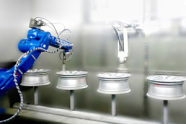
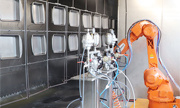
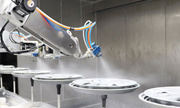
The heart of the aluminum spraying line is the spray booth, where the actual application of aluminum occurs. There are various methods for spraying aluminum, including thermal spraying, cold spraying, and plasma spraying. Thermal spraying is the most common method, where aluminum particles are heated and propelled onto the surface at high speeds. Each method has its advantages and specific applications based on the desired coating thickness, adhesion strength, and surface finish.
Post-spray curing is another critical aspect of the process. Curing ovens are used to ensure that the aluminum coating adheres properly to the substrate and develops the necessary mechanical properties. Proper curing can significantly affect the longevity and performance of the coating, making it vital for industry professionals to monitor temperature and time parameters closely during this stage.
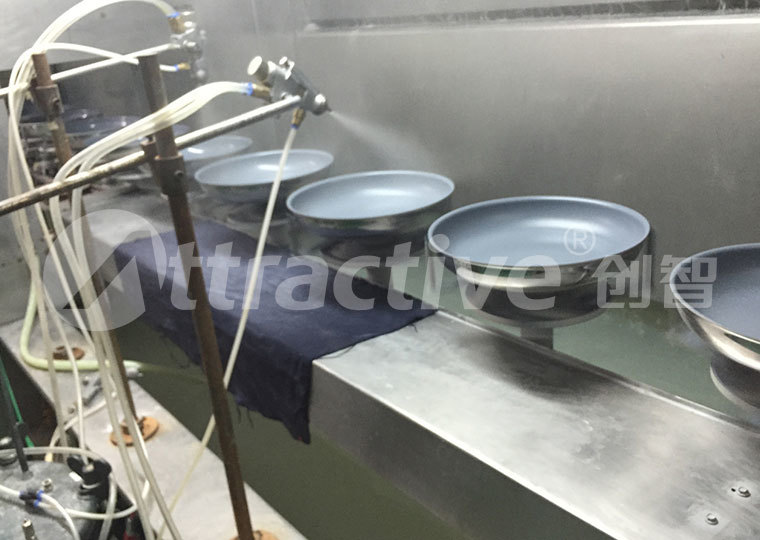
In addition to the technical processes, it's important to consider the environmental and safety aspects associated with aluminum spraying lines. Implementing effective ventilation systems and monitoring air quality is essential to minimize exposure to airborne particles and fumes. Additionally, selecting the right personal protective equipment (PPE) for operators can enhance workplace safety.
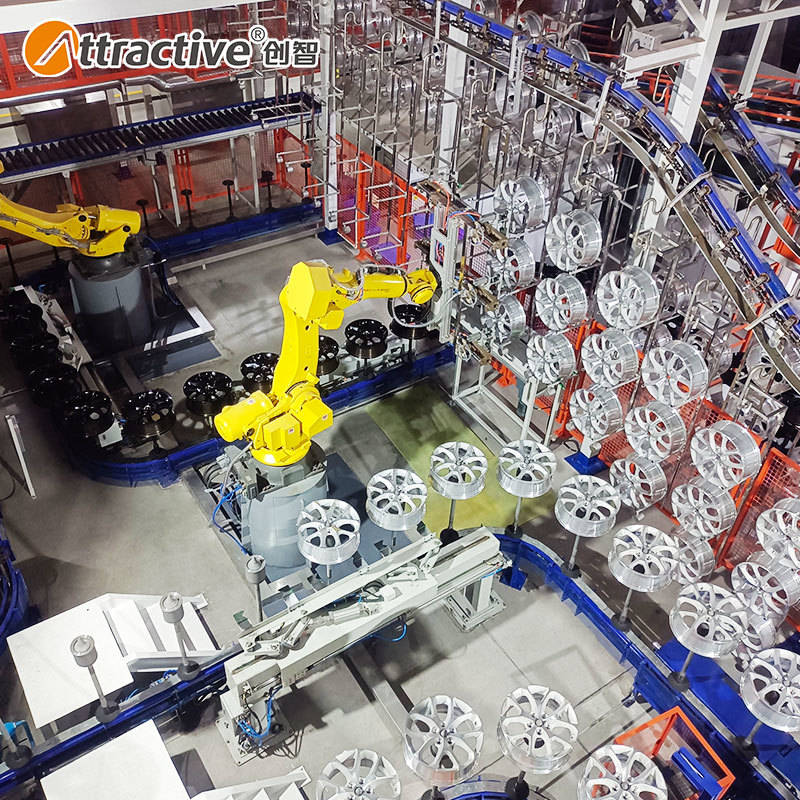
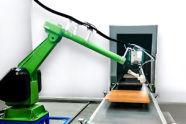
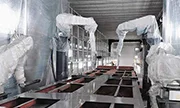
As the market evolves, innovations in coating technologies are shaping the future of aluminum spraying lines. Advancements include automated systems for increased precision and efficiency, as well as eco-friendly practices that reduce waste and energy consumption. Industry professionals must stay informed about these trends to remain competitive and ensure compliance with environmental regulations.
In conclusion, aluminum spraying lines are integral to the coating and surface treatment processes in industrial applications. By understanding their components, processes, and the latest innovations, professionals can enhance their operational efficiency and product quality, ultimately leading to greater success in the competitive landscape of industrial manufacturing.


Contact Us
No.2 Yingbin Avenue, High-tech District, Zhaoqing City, Guangdong Province, China.
Online Message