











Related News

14
2025
-
07
Unleashing the Power of Electricity in Powder Coating Line
Author:
Chuangzhi Coating
In today's fast-paced industrial environment, enhancing production efficiency and product quality is paramount. One significant development in this realm is the use of electricity in powder coating lines. This article delves into how electrical innovations are transforming powder coating processes, providing detailed insights into technologies, benefits, and future trends.
1. Introduction to Powder Coating and Electricity
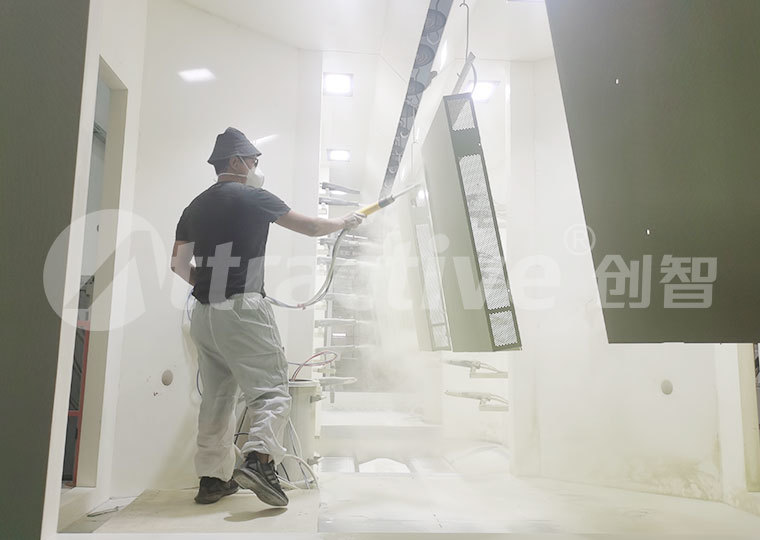
Manual electrostatic powder coating line is a widely accepted method for finishing metal surfaces, providing durability and resistance against corrosion, heat, and chipping. Traditionally, the process has relied on various chemical and mechanical methods, but with the integration of electricity, a new era of precision and efficiency has emerged. Electrical techniques enhance the powder coating process, allowing for a smoother finish, reduced waste, and greater energy efficiency.
2. The Role of Electricity in Powder Coating
Electricity plays a crucial role in powder coating through the following mechanisms:
2.1 Electrostatic Charging
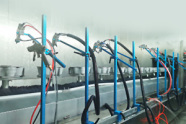
Electrostatic charging is fundamental to powder coating. The powder particles are charged as they pass through the spray gun, which enables them to adhere to the grounded surfaces of the objects being coated. This process minimizes overspray and maximizes transfer efficiency, leading to a more uniform coating.
2.2 Improved Adhesion and Coverage
The electric charge not only ensures better adhesion but also helps in achieving better coverage in hard-to-reach areas. By manipulating the voltage and current, operators can fine-tune the electrostatic process, optimizing the coating thickness and finish quality.
3. Benefits of Electrified Powder Coating Processes
The integration of electricity into powder coating lines offers numerous advantages, including:
3.1 Enhanced Efficiency
Electric-powered systems have shown increased operational efficiency. They require less manual intervention, reducing labor costs and improving throughput.
3.2 Cost-Effectiveness
By reducing powder waste through better transfer efficiency and minimizing energy consumption, electrified powder coating lines can significantly lower operational costs.
3.3 Superior Finish Quality
The consistency in electrostatic processes leads to a superior finish quality. This ensures that the final product meets stringent industry standards and customer expectations.
3.4 Environmental Benefits
With reduced emissions and lower energy consumption, electric powder coating lines align with environmental sustainability goals, making them an attractive option for eco-conscious manufacturers.
4. Technological Advancements in Powder Coating Lines
Recent innovations in powder coating technology are revolutionizing the industry:
4.1 High-Voltage Systems
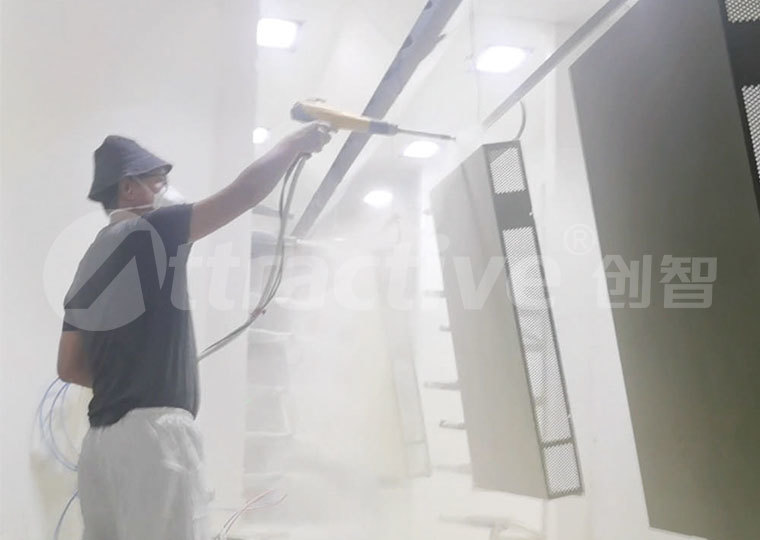
High-voltage systems enhance the electrostatic charging process, improving powder atomization and distribution. This results in better coverage and reduced wastage.
4.2 Automated Systems
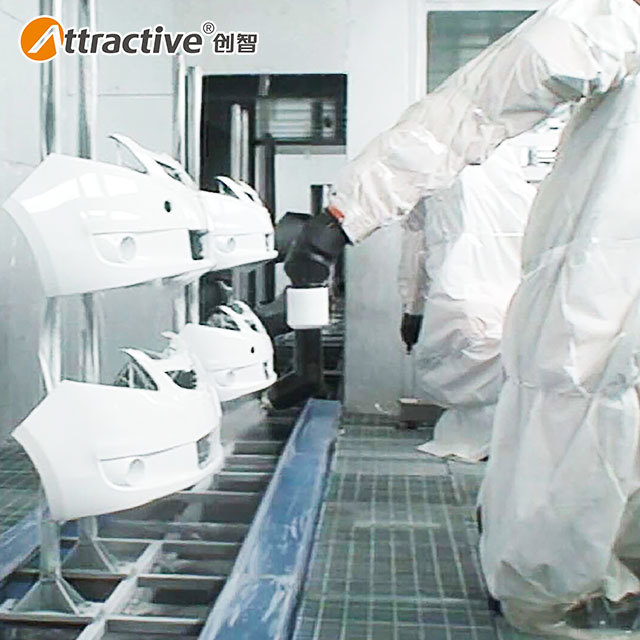
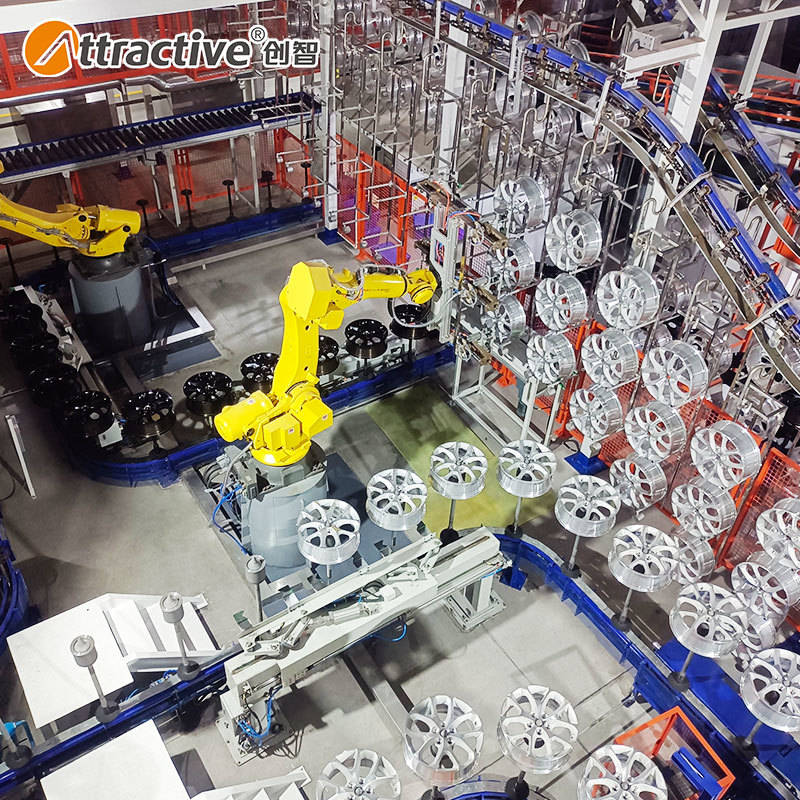
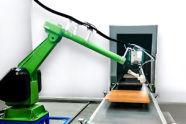
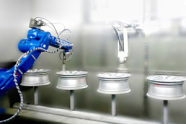
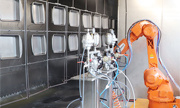
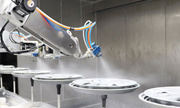
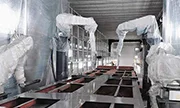
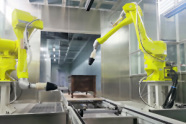
Automated powder coating systems facilitate precise control over application parameters. These systems can adjust the powder flow, voltage, and spray patterns in real-time, ensuring optimal performance.
4.3 Advanced Curing Techniques
Modern curing techniques, including infrared and LED curing, are more energy-efficient compared to traditional ovens. These methods utilize electricity to rapidly cure the applied powder, speeding up production cycles.
5. Electric Curing Systems: An Overview
Electric curing systems are pivotal in the powder coating process:
5.1 Types of Electric Curing Systems
There are two primary types of electric curing systems:
- Infrared (IR) Curing: This method uses infrared lamps to cure powder quickly, promoting a quicker turnaround time.
- Electric Oven Curing: Electric ovens provide controlled environments for curing, ensuring uniform heat distribution and consistent results.
5.2 Benefits of Electric Curing
Electric curing systems offer:
- Faster Curing Times: Faster curing results in higher production rates.
- Energy Efficiency: Electric systems consume less energy than gas-fired systems, contributing to lower operational costs.
6. Sustainability Aspects of Electric Powder Coating
As industries face increasing pressures to reduce their carbon footprints, electric powder coating lines are emerging as a sustainable alternative:
6.1 Reduced VOC Emissions
Powder coating is inherently low in volatile organic compounds (VOCs), and the addition of electric systems further minimizes emissions associated with curing processes.
6.2 Energy Conservation
Electric systems are designed to be energy-efficient, reducing overall energy consumption. This not only lowers costs but also minimizes environmental impact.
6.3 Waste Reduction
The efficacy of electrostatic application leads to less waste, as more powder adheres to the surface rather than being lost to overspray.
7. Future Trends in Powder Coating Technology
The future of powder coating technology looks promising due to several emerging trends:
7.1 Smart Coating Technologies
Integrating IoT devices into powder coating lines will allow for real-time monitoring and adjustments, optimizing performance and reducing waste.
7.2 Advanced Materials
New formulations of powder coatings that incorporate nanotechnology will offer improved durability, heat resistance, and aesthetic qualities.
7.3 Industry 4.0 Integration
The adoption of Industry 4.0 principles will lead to fully automated, data-driven powder coating lines that enhance efficiency and reduce downtime.
8. Conclusion
The integration of electricity into powder coating lines is transforming the industry, leading to enhanced efficiency, cost savings, and superior product quality. With ongoing advancements in technology and a strong emphasis on sustainability, electrified powder coating processes will continue to push the boundaries of what is achievable in surface finishing. Embracing these innovations not only benefits manufacturers but also contributes positively to the environment.
9. Frequently Asked Questions
9.1 What is powder coating?
Powder coating is a dry finishing process that uses finely ground particles of pigment and resin, which are electrostatically charged and sprayed onto a surface. The coated object is then heated to cure the powder, forming a hard finish.
9.2 How does electricity improve the powder coating process?
Electricity enhances the powder coating process through electrostatic charging, which improves adhesion and coverage, reduces waste, and increases efficiency.
9.3 What are the benefits of using electric curing systems?
Electric curing systems provide faster curing times, energy efficiency, and consistent quality in the finished product.
9.4 Are electric powder coating lines environmentally friendly?
Yes, they are designed to minimize VOC emissions, reduce energy consumption, and decrease waste, making them a sustainable choice for manufacturers.
9.5 What future trends should we expect in powder coating technology?
We can expect advancements in smart technologies, new material formulations, and greater automation through Industry 4.0 principles, leading to enhanced efficiency and reduced environmental impact.


Contact Us
No.2 Yingbin Avenue, High-tech District, Zhaoqing City, Guangdong Province, China.
Online Message