





















Related News
08
2026
-
06
Reducing Coating Waste with Electrostatic Coating Systems
Author:
Chuangzhi Coating
In industrial coating production, coating costs often constitute a significant portion of total manufacturing expenses. Traditional spraying methods frequently result in high material waste due to low atomization efficiency, substantial bounce-back losses, and excessive overspray. As the manufacturing sector shifts toward precision and green production, electrostatic coating systems have emerged as a vital technological solution for minimizing coating waste.
The core principle of electrostatic coating systems involves using a high-voltage electrostatic field to charge coating particles, which are then attracted to the surface of a grounded workpiece. This "electrostatic attraction effect" significantly enhances adhesion efficiency, ensuring that more coating material deposits onto the target surface rather than dissipating into the air as mist, thereby reducing waste at the source.

In practical applications, material utilization rates with electrostatic spraying can often reach 1.5 times—or even higher—that of traditional methods. This is particularly advantageous for complex workpieces or high-volume production; the electrostatic effect ensures more uniform coverage, including on edges and in recessed areas. This reduces the need for re-spraying and indirectly lowers overall coating consumption.
Optimizing spraying parameters is another crucial factor in minimizing waste. By precisely controlling voltage, spray distance, atomization pressure, and flow rate, coating particles can maintain an optimal charge state, enhancing their directional attraction. When system parameters are matched to the workpiece characteristics, coating uniformity improves, and losses due to bounce-back and overspray drift are effectively reduced.
The integration of recovery systems further boosts resource efficiency. In enclosed spraying environments, unattached coating particles can be collected and reused, thereby cutting down on raw material waste. This recycling mechanism is especially effective in electrostatic powder coating, leading to a significant increase in overall material utilization.
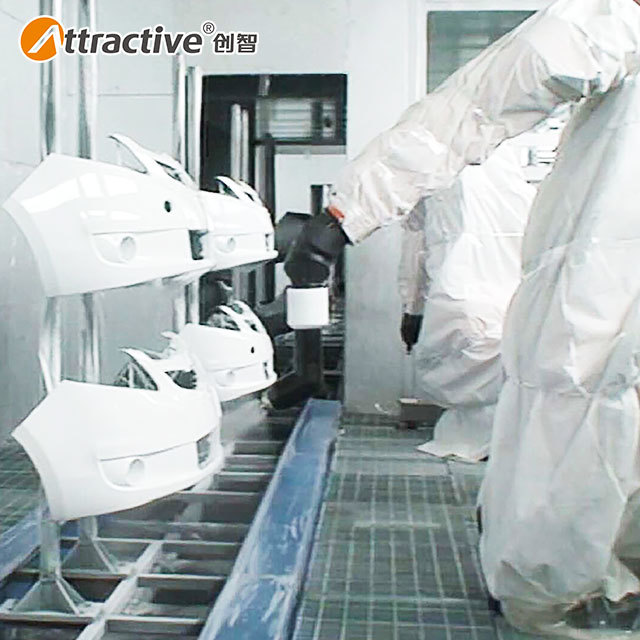
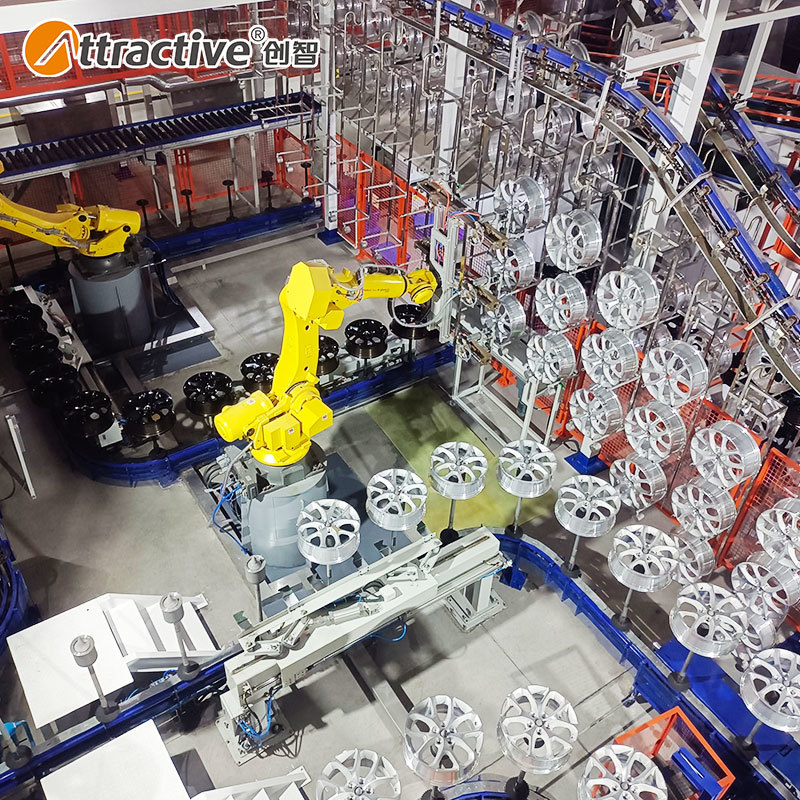
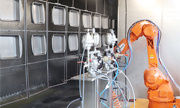
Furthermore, automated electrostatic coating systems minimize uneven application caused by human error through precise control of spray trajectories and volumes. On standardized production lines, this ensures consistent coating thickness across all workpieces, preventing material waste associated with over-spraying.
As environmental regulations tighten and pressures regarding production costs mount, the value of electrostatic coating systems in industrial manufacturing has become increasingly significant. Through technological optimization and system integration, enterprises can effectively reduce coating waste while enhancing product quality and production efficiency, thereby achieving a dual improvement in both economic and environmental performance.
SEO:


Contact Us
No.2 Yingbin Avenue, High-tech District, Zhaoqing City, Guangdong Province, China.
Online Message