













Related News
25
2026
-
06
The Ultimate Buyer's Guide to Selecting a Powder Coating Line for Your Manufacturing Business
Author:
Chuangzhi Coating
In the world of industrial finishing, selecting the right coating technology is one of the most critical decisions a manufacturer can make. Among the various options available, powder coating has emerged as a preferred choice for many industries due to its superior durability, environmental benefits, and cost-effectiveness. However, choosing the right powder coating line—and the right supplier—requires careful evaluation of multiple factors.
This comprehensive buyer's guide is designed to walk you through the essential considerations when selecting a powder coating line. We will explore key system components, critical performance parameters, industry-specific applications, and the crucial criteria for evaluating potential suppliers. Leveraging over 30 years of industry experience and a track record of delivering more than 2,000 automated coating lines globally, Guangdong Chuangzhi Intelligent Equipment Co., Ltd. (Attractivechina) provides this expert analysis to support your informed decision-making.

1. Understanding Your Production Needs
Before diving into technical specifications, the foundational step is to clearly define your production objectives and constraints. This initial assessment will shape all subsequent choices.
- Product Mix and Geometry: What are the primary workpieces to be coated? Are they large, bulky items like agricultural machinery parts, or smaller, intricate components such as automotive fasteners? The size, shape, and complexity of your parts will dictate the conveyor system design, gun placement, and booth configuration.
- Material Composition: What is the substrate material? Powder coating is most effective on conductive substrates, primarily various metals (steel, aluminum, cast iron, etc.). Understanding the material properties is essential for proper surface pretreatment and grounding.
- Production Volume and Throughput: What is your required output per hour or shift? This determines the line speed, the number of application booths, and the capacity of the curing oven.
- Coating Specifications: What are the final performance requirements? This includes color, gloss level, corrosion resistance (salt spray hours), impact resistance, and adhesion. Different powder formulations (e.g., epoxy, polyester, hybrid) offer different performance profiles.
2. Key Components of a Powder Coating Line
A complete powder coating line is an integrated system of several critical components. Understanding each one's function and performance parameters is vital for making a sound investment.
| Component | Key Functions & Specifications | Critical Parameters to Evaluate |
|---|---|---|
| Pre-treatment System | Cleaning, degreasing, and etching the metal surface to ensure optimal adhesion and corrosion resistance. | Process type (chemical or mechanical), number of stages, temperature control, wastewater treatment. |
| Application Booth | Enclosed area where powder is applied. Spray booths are designed to contain overspray and facilitate powder recovery. | Booth material (stainless steel is durable), airflow design (for operator safety and recovery efficiency), lighting. |
| Powder Spray Guns | The core application tools. Modern guns use electrostatic charging to attract powder particles to the grounded workpiece. | Transfer efficiency (ideally >80%), kV and μA control (for wrap-around effect), ease of cleaning and color change. |
| Powder Recovery System | Reclaims overspray powder for reuse, maximizing material utilization. | Cyclone systems (high efficiency), filter cartridge systems (fine particle collection), or combination systems. |
| Curing Oven | Transforms the powder coating from a dry powder into a continuous, cross-linked polymer film. | Heating method (gas, electric, infrared, or combination), oven length/temperature profile, and uniformity of heat distribution. |
| Conveyor System | Transports workpieces through the entire line at a controlled speed. | Monorail, power-and-free, or other. Key parameters: line speed, load capacity, and hook/rack design. |
3. Performance Metrics and Quality Assurance
To ensure your investment delivers consistent results, you must define and measure key performance indicators (KPIs). Suppliers like Attractivechina, certified with ISO 9001, ISO 14001, ISO 45001, and EAC, should be able to demonstrate performance based on these metrics.
- Transfer Efficiency (TE): This is the percentage of applied powder that adheres to the workpiece. High TE (>75%) is a hallmark of a well-tuned system and directly reduces material costs and waste. Modern electrostatic systems with optimized parameters achieve superior TE, especially when integrated with our AI-driven intelligent control systems.
- Coating Thickness Uniformity: Consistent film thickness is essential for both appearance and performance. A high-quality system should maintain thickness within a tight tolerance range (e.g., ±5-10μm) across different areas of a part.
- Curing Profile and Cure Degree: The oven must precisely maintain the required temperature-time curve for the specific powder formulation. Undercuring leads to poor adhesion and durability; over-curing can cause discoloration or brittleness.
- Volatile Organic Compounds (VOCs) Emission: One of the primary advantages of powder coating over liquid painting is its negligible VOC content. A properly designed line ensures operator safety and environmental compliance.
4. Industry-Specific Applications
Powder coating's versatility makes it suitable for a vast array of industries. Here is how the technology is applied across key sectors:
| Industry | Common Applications | Key Coating Requirements |
|---|---|---|
| Automotive | Wheels, bumpers, chassis components, seat frames, brake calipers. | Outstanding corrosion resistance (salt spray >1000h), excellent chip resistance, and high aesthetic quality. |
| Home Appliances | Refrigerator panels, washing machine drums, oven cavities, microwave outer shells. | High gloss, stain resistance, scratch resistance, and durability for daily use. |
| Metal Furniture | Office furniture, filing cabinets, outdoor seating, shelving systems. | Good abrasion resistance, color consistency, and cost-effective production. |
| Architectural | Window frames, aluminum extrusions, fencing, railings. | Extreme weather resistance (UV stability), excellent adhesion to aluminum, and a wide color range (including textures). |
| General Industrial | Agricultural machinery, electrical enclosures, pipes and fittings, industrial racks. | High film build for heavy protection, impact resistance, and corrosion protection in harsh environments. |
5. Evaluating a Powder Coating Line Supplier
Choosing the right partner is as critical as choosing the right equipment. A supplier's capability, reliability, and long-term support structure directly impact your project's success.
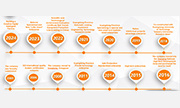
- Company Experience and Track Record: How long has the company been in business? What is their global footprint? A supplier with a long history, like Guangdong Chuangzhi, established in 2005, demonstrates market stability and accumulated expertise.
- Technical and R&D Capabilities: Does the company invest in innovation? A significant R&D team (we have a team of 55 engineers) and a portfolio of over 200 patents (with 79 invention patents) are strong indicators of a company's ability to provide cutting-edge, reliable solutions.
- Manufacturing and Quality Control: Does the supplier manufacture core components in-house? Having its own manufacturing facility (like our 35548 sqm plant) with advanced equipment (laser cutters, CNC machines) allows for better quality control and shorter lead times.
- Project Management and Delivery: Can they provide a detailed project timeline and a proven track record of on-time delivery? Our commitment to integrated design and manufacturing ensures project milestones are met.
- After-Sales Support and Service: What is the structure of their service team? Do they offer training, remote diagnostics, and rapid on-site support? We maintain a dedicated service team to support our clients globally, with projects successfully delivered in countries including Thailand, Mexico, Russia, and India.
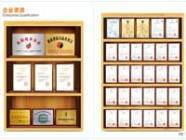
- Certifications and Standards Compliance: Verify their certifications. Our certifications to ISO 9001, ISO 14001, ISO 45001, and EAC attest to our commitment to quality, environment, and occupational health and safety. Our recognition as a National "Little Giant" Enterprise and National Intellectual Property Demonstration Enterprise further validates our standing.
6. Return on Investment (ROI) Considerations
Investing in a powder coating line should be viewed as a strategic, long-term investment. While initial capital expenditure is significant, the operational savings and quality improvements often lead to an attractive ROI.
- Material Savings: High transfer efficiency systems drastically reduce powder waste. Even a 10-15% improvement in TE over a competing system can translate to hundreds of thousands of dollars in annual material savings.
- Energy Efficiency: Modern ovens with efficient insulation and burner systems, combined with optimized airflow designs, minimize energy consumption. Our intelligent systems monitor and adjust energy use in real-time.
- Labor and Throughput: Automated systems reduce manual intervention, lower labor costs, and increase production throughput. Faster cycle times and reduced rejection rates directly boost profitability.
- Reduced Rework and Rejects: Superior coating uniformity and cure control minimize defects, reducing the cost associated with stripping and recoating parts.
7. Frequently Asked Questions (FAQ)
Q: Can powder coating be applied to all metals?
A: Yes, powder coating can be applied to most conductive metals, including steel, aluminum, galvanized steel, and cast iron. Proper surface pre-treatment is essential for adhesion. Non-conductive substrates like plastics require specialized coatings and processes.
Q: Is powder coating environmentally friendly?
A: Significantly more so than liquid painting. Powder coatings contain negligible to zero VOCs, reducing harmful emissions. Overspray powder can be recovered and reused, approaching a nearly 100% material utilization rate in closed-loop systems.
Q: How long does a powder coating line last?
A: With proper maintenance, a well-engineered powder coating line can operate efficiently for 15-20 years or more. Choosing a reliable supplier who provides high-quality components and supports with spare parts and service is key to longevity.
Q: What is the typical lead time for a custom powder coating line?
A: The lead time varies depending on the system's complexity and customization level. From design and engineering to manufacturing and installation, a project typically takes several months. A supplier with integrated manufacturing capabilities can often offer more competitive and reliable timelines.
Conclusion
Selecting a powder coating line is a complex but rewarding process. By carefully assessing your production needs, understanding the key components and performance metrics, and rigorously evaluating potential suppliers based on their experience, technology, and support capabilities, you can make a decision that enhances your operational efficiency and product quality for decades.
At Guangdong Chuangzhi Intelligent Equipment Co., Ltd. (Attractivechina), we are committed to guiding you through this journey. Our expertise is not just in manufacturing equipment, but in engineering comprehensive, intelligent, and sustainable powder coating solutions tailored to your specific industrial needs. With over 30 years of experience, a strong commitment to R&D, and a proven international track record, we are the partner you can trust for your powder coating line investment.
For a detailed discussion on your specific project requirements or to receive a customized proposal, please contact our engineering sales team.
Previous
Next Page


Contact Us
No.2 Yingbin Avenue, High-tech District, Zhaoqing City, Guangdong Province, China.
Online Message