











Related News

21
2026
-
10
Spray Painting System: An Integrated Solution for Industrial Surface Finishing
Author:
Chuangzhi Coating
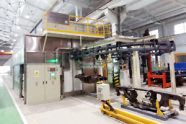
A spray painting system is an essential solution for manufacturers seeking consistent coating quality, efficient production, and reliable surface protection. Designed for a wide range of industrial applications, a well-planned spray painting system integrates surface preparation, paint application, drying or curing, and material handling into a coordinated production process. It helps businesses improve finishing results while maintaining stable output and effective use of labor and materials.

What Is a Spray Painting System?
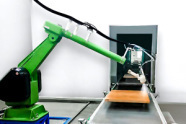
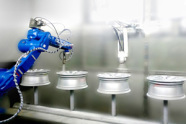
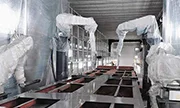
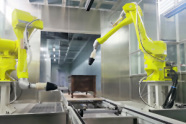
A spray painting system is a combination of equipment designed to apply liquid coatings evenly to product surfaces. Depending on the workpiece, coating material, production volume, and factory layout, the system can be configured as a manual, semi-automatic, or fully automated solution.
In industrial production, spray painting systems are commonly used for metal components, machinery parts, automotive accessories, furniture, and other products that require a uniform appearance and durable surface finish. By coordinating spraying equipment with conveying and drying processes, manufacturers can establish a more controlled and repeatable finishing workflow.
Key Components of an Industrial Spray Painting System
Surface Preparation Equipment
Proper surface preparation is essential for coating adhesion and long-term performance. Cleaning, degreasing, dust removal, and other pretreatment operations help remove contaminants that may affect the final finish. The appropriate preparation process depends on the substrate material and coating requirements.
Spray Booth and Application Equipment
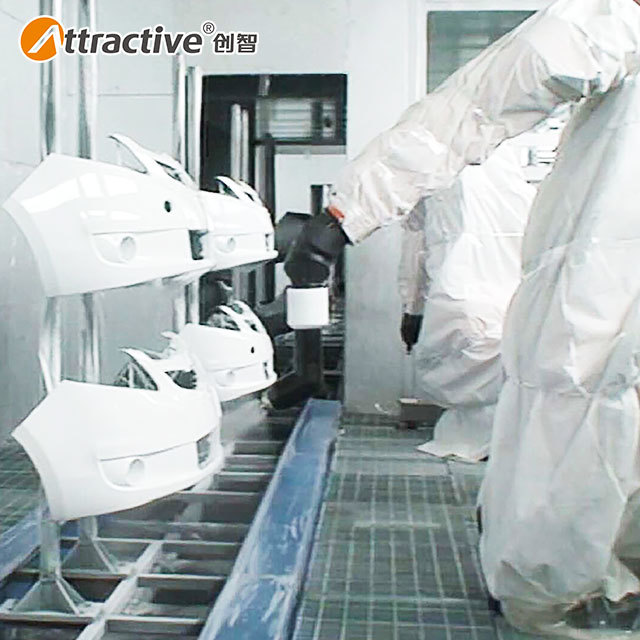
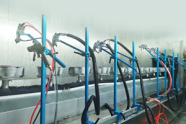
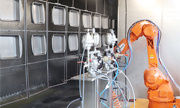
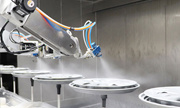
The spray booth provides a designated environment for coating application. Spray guns, pumps, paint supply systems, and related equipment are selected according to the coating type and workpiece geometry. A suitable spray configuration helps improve coverage, reduce uneven application, and support consistent coating thickness.
Conveyor and Workpiece Handling
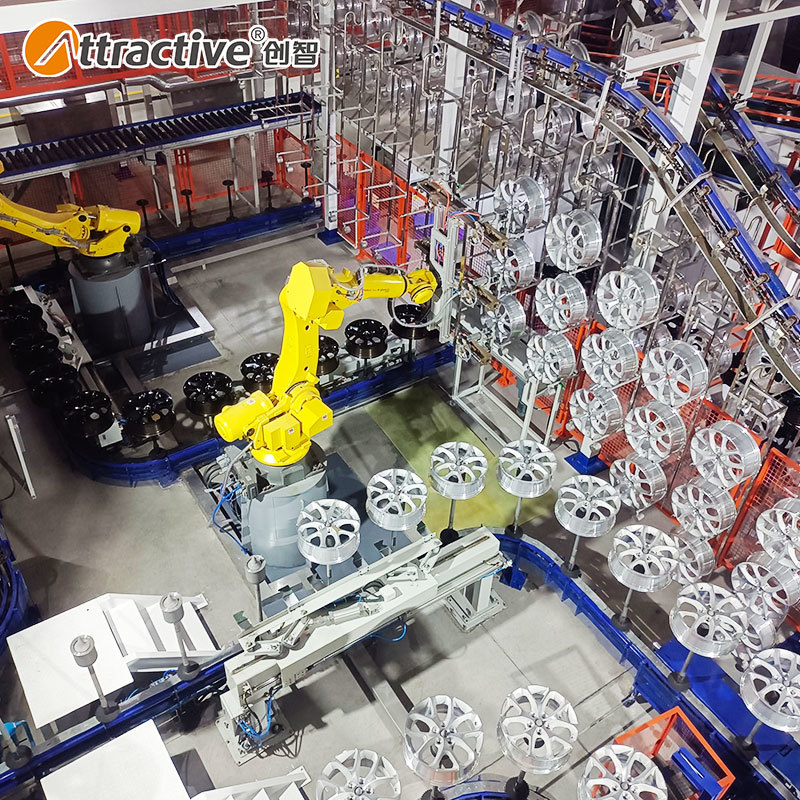
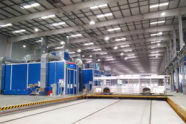
A conveyor system moves workpieces through different production stages at a controlled speed. Overhead conveyors, floor conveyors, or customized handling arrangements can be selected according to product dimensions, weight, and factory conditions. Coordinated material handling helps reduce unnecessary manual movement and maintain production continuity.
Drying and Curing Equipment
After spraying, coated workpieces may require a drying or curing stage to achieve the desired surface properties. The equipment configuration depends on the paint formulation, required curing conditions, and production cycle. Proper coordination between spraying and drying helps reduce bottlenecks and improve overall line efficiency.
Environmental and Process Control
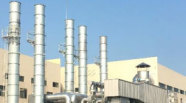
Industrial spray painting requires appropriate ventilation, overspray collection, and management of coating-related emissions. Depending on the application, the system may incorporate filtration, temperature monitoring, and process control equipment to support stable operation and compliance with applicable environmental and workplace safety requirements.

Benefits of a Customized Spray Painting System
Consistent Coating Quality
A coordinated spray painting process helps reduce variations in color, coverage, and film thickness. Consistent application is particularly important for manufacturers producing multiple workpieces with similar appearance and performance requirements.
Improved Production Efficiency
Integrating spraying, conveying, and drying into one production line reduces unnecessary handling between operations. A properly balanced system can shorten production cycles, improve workflow organization, and support higher output.
Better Material Utilization
Appropriate spray parameters, equipment selection, and operator training can help reduce overspray and coating waste. The actual savings depend on the paint material, application method, workpiece shape, and operating conditions.
Flexible Production Configuration
Different industries have different requirements for coating performance, product dimensions, and production capacity. A customized spray painting system can be planned around existing factory space, product mix, and future production needs.
How to Select the Right Spray Painting System
Before selecting equipment, manufacturers should evaluate the materials being coated, workpiece dimensions, coating specifications, required production capacity, and available installation space. Paint type and curing requirements should also be considered when determining the equipment layout.
It is equally important to assess ventilation, filtration, energy consumption, maintenance accessibility, and operator safety. A system that matches actual production conditions is generally more practical than equipment selected solely on the basis of initial purchase price.
Working with an experienced coating line supplier can help manufacturers coordinate equipment selection, production layout, and process requirements. Clear communication about the target finish, product range, and expected output also makes it easier to develop a suitable technical proposal.
Applications Across Industrial Manufacturing
Spray painting systems are used in many manufacturing sectors, including automotive components, metal fabrication, industrial machinery, furniture, and general metal products. Each application may require a different combination of pretreatment, spray application, conveying, and drying equipment.
For manufacturers looking to improve surface finishing, an integrated spray painting system offers a practical way to organize coating operations and maintain repeatable production standards. With a configuration tailored to the workpiece and manufacturing process, businesses can balance finish quality, production efficiency, and operating costs while preparing their coating operations for future development.
Next Page


Contact Us
No.2 Yingbin Avenue, High-tech District, Zhaoqing City, Guangdong Province, China.
Online Message