














Related News

18
2026
-
07
How to Choose a Spray Painting System for Woodworking and Furniture Manufacturing
Author:
Chuangzhi Coating
What Is a Spray Painting System?
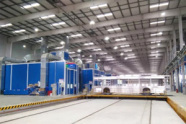
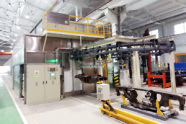
A spray painting system is an integrated solution designed to apply paint or other surface coatings evenly to workpieces. It can combine spraying equipment, conveying systems, drying units, UV curing ovens, and process control components to create a continuous and efficient production workflow. For manufacturers of wooden furniture, cabinets, doors, musical instruments, and decorative panels, a well-designed system helps improve coating consistency while reducing repetitive manual work.
Different products require different coating processes. A system for flat wooden panels may focus on uniform coverage and high throughput, while a production line for guitars, pianos, and other complex wooden products requires more precise spraying and careful surface finishing.

Key Components of an Industrial Spray Painting System
A complete spray painting system can be configured according to the workpiece material, coating type, production volume, and required finish.
Surface Preparation and Conveying
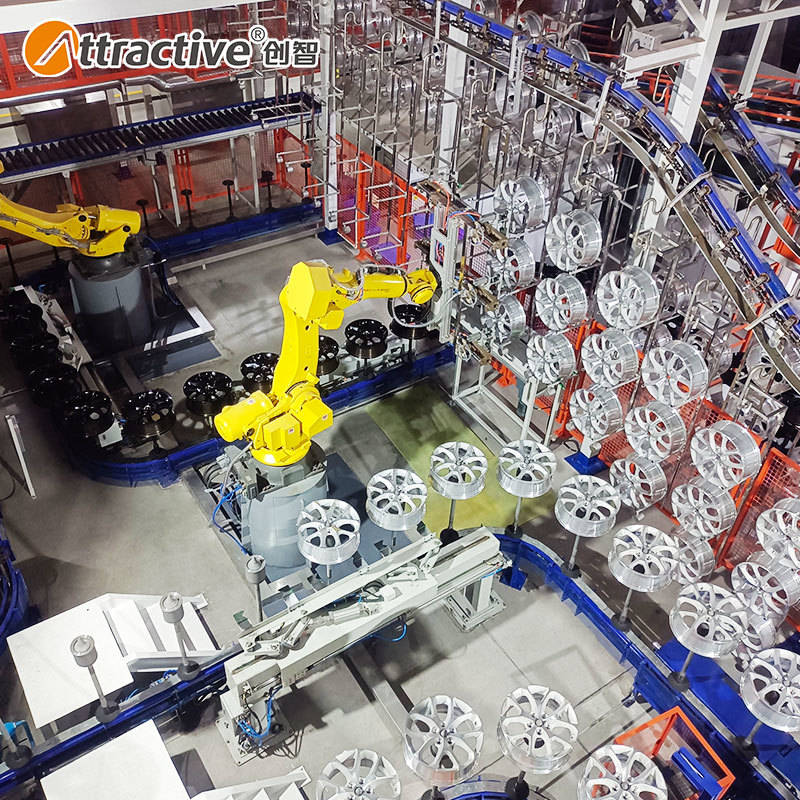
Before spraying, workpieces should be properly cleaned and prepared. Conveyors and dedicated fixtures help move products through each processing stage in an orderly manner. A suitable conveying layout reduces unnecessary handling and supports a stable production rhythm.
Automatic or Robotic Spraying
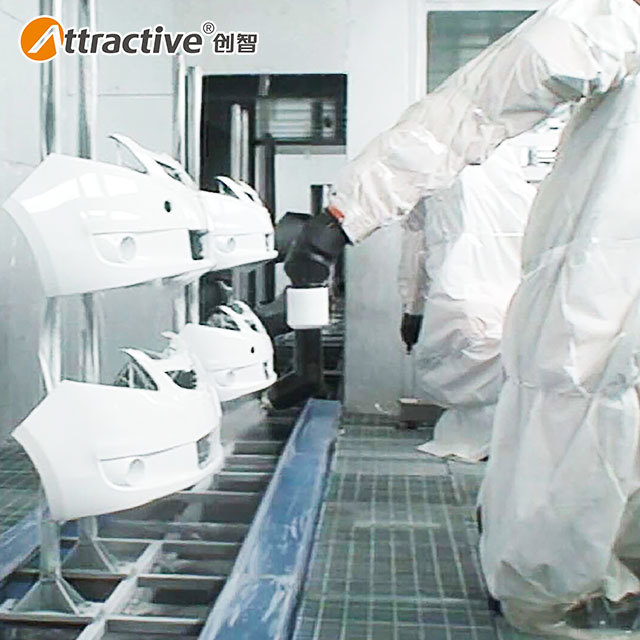
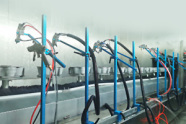
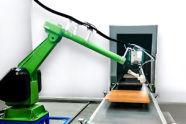
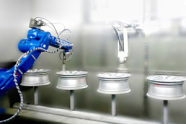
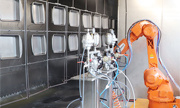
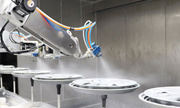
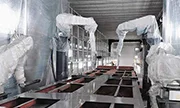
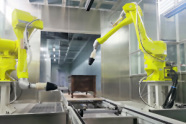
Automatic spraying equipment helps maintain repeatable coating paths and consistent application. Robotic spraying can be suitable for products with complex contours, while manual spraying may remain practical for customized products or operations requiring frequent changes. The choice depends on product geometry, coating specifications, and investment requirements.
Drying and UV Curing
Drying and curing equipment allows coatings to reach the required condition before the next production stage. For suitable UV-curable coatings, a UV curing oven can shorten curing time and support continuous production. The actual curing parameters depend on the coating formulation, film thickness, and workpiece characteristics.
Applications in Woodworking and Furniture Production
A customized spray painting system can serve various woodworking applications, including solid wood furniture, medium-density fiberboard products, veneer panels, particleboard furniture, beds, dining tables, chairs, guitars, and pianos.
Musical instruments require particular attention to surface appearance. Uneven coating, visible spray marks, and inconsistent color can affect the final product quality. A properly configured spraying and curing process helps create a smooth, uniform finish while supporting the appearance and durability requirements of the instrument.
For furniture manufacturers, an integrated line can connect primer spraying, intermediate treatment, color application, topcoat spraying, inspection, and drying. The exact process should be adjusted to the coating system and the required decorative effect.

How to Improve Production Efficiency and Coating Quality
Selecting the right equipment is only one part of building an efficient coating operation. Manufacturers should also consider the following factors.
Control the Spraying Environment
Temperature, humidity, airflow, and dust control can influence coating quality. Maintaining suitable workshop conditions helps reduce common defects such as poor leveling, surface contamination, and uneven film formation.
Optimize Paint Utilization
Correct spray parameters, suitable gun positioning, and appropriate coating viscosity help reduce overspray and material waste. Automated equipment can improve repeatability, although actual paint savings depend on the product design and production process.
Plan for Different Workpieces
Workpiece dimensions, weight, shape, and daily output all affect equipment selection. A flexible system should accommodate the manufacturer's product range without creating excessive changeover time or unnecessary handling.
Integrate Quality Inspection
Inspection stations allow operators to identify surface defects before products move to subsequent processes or final packaging. Consistent inspection standards also help manufacturers evaluate process performance and identify opportunities for improvement.
Customized Spray Painting System Solutions
A spray painting system should be designed around actual production requirements rather than selected solely by equipment capacity. Important considerations include available factory space, coating materials, required finish, production rhythm, energy supply, and environmental protection requirements.
Attractivechina provides customized coating line solutions for woodworking and other industrial applications. Its wood painting equipment integrates precision spraying with UV curing options and can be configured for products such as guitars, pianos, and furniture. Automatic and manual spraying arrangements can be considered according to the production process.
When evaluating a system, manufacturers should confirm the required workpiece range, coating sequence, curing conditions, conveyor layout, and maintenance arrangements with the equipment supplier. A properly planned solution can help improve production organization, maintain consistent surface quality, and support long-term manufacturing efficiency.
Conclusion
Choosing a suitable spray painting system helps manufacturers balance coating quality, production efficiency, material utilization, and operating costs. By integrating spraying, conveying, drying, and curing processes, businesses can establish a more consistent workflow for wooden furniture and other products. A customized configuration based on real production needs provides a practical foundation for reliable and scalable coating operations.


Contact Us
No.2 Yingbin Avenue, High-tech District, Zhaoqing City, Guangdong Province, China.
Online Message