












Related News

19
2026
-
07
Industrial Coating System for Efficient Surface Treatment and Automated Production
Author:
Chuangzhi Coating
What Makes an Industrial Coating System Suitable for Modern Manufacturing?
An industrial coating system plays an important role in improving product appearance, surface protection, and production consistency. For manufacturers processing metal components, cookware, aluminum products, and other industrial workpieces, selecting the right coating equipment can help reduce manual handling, improve coating quality, and maintain stable output.
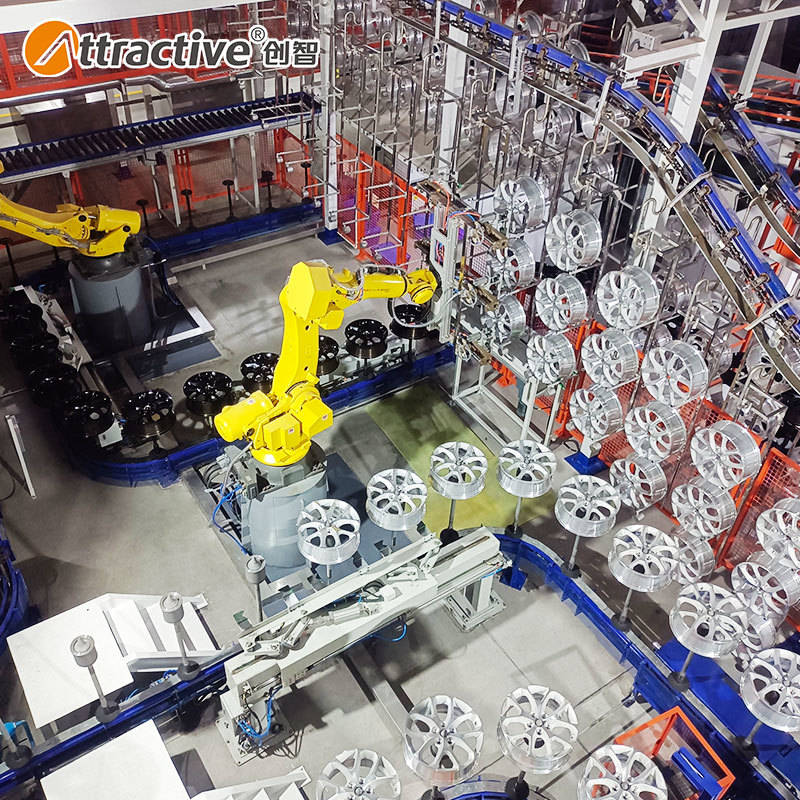
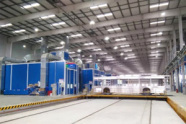
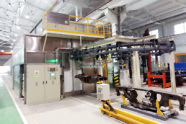
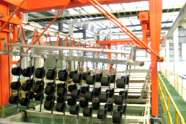
A complete industrial coating solution may integrate surface pretreatment, automatic loading and unloading, spraying equipment, drying ovens, curing systems, cooling stations, and conveyor equipment. These units work together to create a continuous production process that can be adjusted according to the workpiece material, shape, coating requirements, and expected capacity.

Integrated Pretreatment for Better Coating Adhesion
Surface preparation is a critical step before painting or spraying. Oil, dust, oxide layers, and other contaminants can affect coating adhesion and lead to uneven finishes or premature coating failure.
Depending on the application, an industrial coating system can incorporate degreasing, rinsing, sandblasting, surface conditioning, drying, and cooling processes. For aluminum cookware and similar products, pretreatment may also include alkaline treatment, neutralization, anodizing, or other specialized operations.
A properly designed pretreatment process creates a more suitable surface for subsequent coating. The exact sequence should be selected according to the substrate, coating material, and required surface performance.
Automated Spraying and Precise Process Control
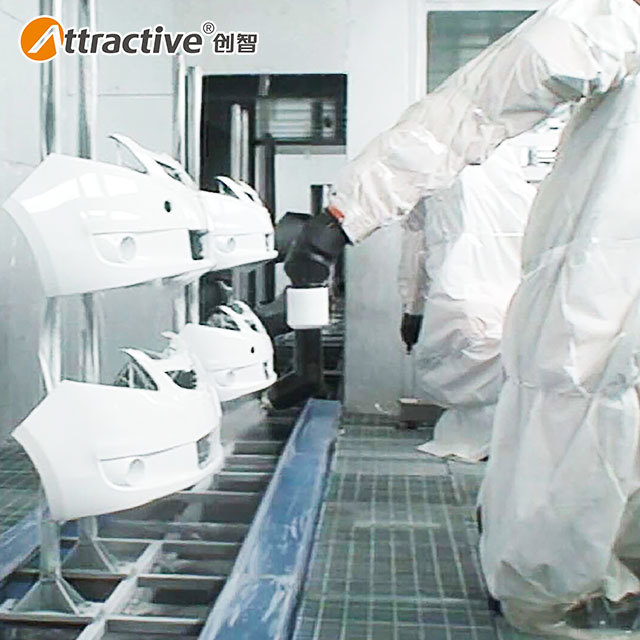
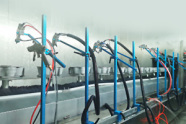
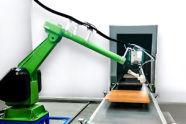
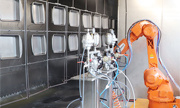
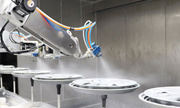
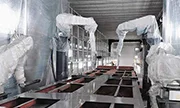
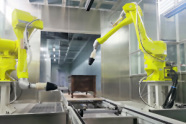
Automated spraying helps manufacturers achieve more consistent coating coverage across repeated production cycles. Depending on the product and process, the system can use fixed spray guns or robotic spraying equipment. Automatic handling can also reduce unnecessary manual intervention and improve production flow.
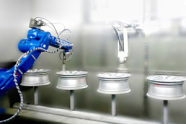
For cookware applications, the process may include automatic dedusting, preheating, primer spraying, primer drying, topcoat spraying, high-temperature curing, and cooling. Different procedures can be arranged for the inner and outer surfaces of a workpiece to meet their specific functional and decorative requirements.
Stable spray conditions are equally important. Temperature, humidity, compressed-air quality, spraying distance, and coating parameters should be controlled according to the selected coating material. Appropriate process control helps reduce coating defects, unnecessary material consumption, and rework.
Flexible Configuration for Different Production Requirements
An industrial coating system should be designed around the manufacturer's actual production needs rather than a standard equipment layout. Important considerations include workpiece dimensions, product variety, target output, available factory space, energy supply, and future capacity expansion.
The referenced equipment solution is designed for aluminum cookware and related products, including non-stick pans, kettles, rice cooker inner pots, enamel cookware, and bakeware. Its configuration can incorporate pretreatment, spraying, drying, and curing operations to support an integrated manufacturing workflow.
The product page lists a reference capacity of up to 800 pieces per hour for the specified application. Actual output depends on workpiece specifications, coating procedures, line configuration, and operating conditions. A customized assessment is therefore necessary before confirming production targets.

Improving Energy Efficiency and Operating Costs
Energy consumption, coating utilization, labor requirements, and equipment maintenance all influence the long-term cost of operating a coating line. An optimized industrial coating system can help manufacturers manage these factors through coordinated production stages and appropriate automation.
For example, efficient conveyor arrangements can reduce unnecessary transfers, while well-designed curing ovens and heat-management measures can support more effective energy use. Automatic spraying and handling may also help reduce repetitive manual work and improve process consistency.
However, the actual savings depend on the existing production process, equipment configuration, coating material, and factory operating conditions. Manufacturers should evaluate total operating costs alongside initial equipment investment when comparing different solutions.
Choosing a Customized Industrial Coating Solution
Before purchasing an industrial coating system, manufacturers should clarify the workpiece material, dimensions, coating type, required finish, production capacity, and available installation space. It is also important to confirm the pretreatment sequence, oven temperature requirements, conveyor speed, environmental protection equipment, and maintenance arrangements.
A qualified equipment supplier can use these details to develop a suitable line layout and process configuration. Installation support, operator training, spare parts availability, and technical assistance should also be considered to help maintain stable production after commissioning.
With more than 30 years of experience in coating line integration, Attractivechina provides customized coating equipment and turnkey solutions for different manufacturing applications. Its equipment range covers pretreatment, spraying, curing, conveying, and related systems.
A well-planned industrial coating system helps manufacturers build a more consistent, efficient, and adaptable surface finishing process. By matching equipment design with actual production requirements, businesses can improve coating quality, manage operating costs, and prepare their production facilities for changing market demands.


Contact Us
No.2 Yingbin Avenue, High-tech District, Zhaoqing City, Guangdong Province, China.
Online Message