














Related News

23
2024
-
10
Unleashing Performance: Advanced Non-Stick Coating Line Solutions for Industrial Applications
Author:
Chuangzhi Coating
1. Introduction to Non-Stick Coating Technologies
The industrial landscape is continuously evolving, demanding innovative solutions to enhance manufacturing processes. Among these innovations, non-stick pan coating line have gained significant attention. These coatings not only improve the performance of various components but also streamline production workflows, making them essential in many industrial applications.
Non-stick coatings are designed to minimize friction and reduce the adhesion of products to surfaces, ensuring a smoother production process. In this article, we will delve into the advanced non-stick coating line solutions that can maximize performance and efficiency in industrial settings.
2. Understanding the Importance of Non-Stick Coatings in Industrial Applications
The importance of non-stick coatings cannot be overstated. In industries such as automotive, aerospace, and food processing, these coatings play a crucial role in enhancing product quality and operational efficiency.
Non-stick coatings help to prevent product build-up, which can lead to defects and increased cleaning times. By reducing friction, these coatings also contribute to lower energy consumption during production. Ultimately, implementing non-stick coatings can lead to significant cost savings and improved product life cycles.
3. Key Components of Non-Stick Coating Line Systems
To fully leverage the benefits of non-stick coatings, it is essential to understand the key components of coating line systems. These components work in synergy to deliver optimal results.
3.1 Coating Materials and Their Properties
The choice of coating material is pivotal in determining the effectiveness of non-stick solutions. Common materials include PTFE (Polytetrafluoroethylene), PFA (Perfluoroalkoxy), and FEP (Fluorinated Ethylene Propylene). Each of these materials offers unique properties, such as high-temperature resistance, chemical resistance, and low friction coefficients, making them suitable for various applications.
3.2 Equipment and Machinery Used in Coating Lines
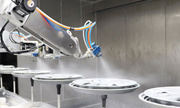
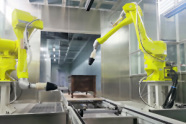
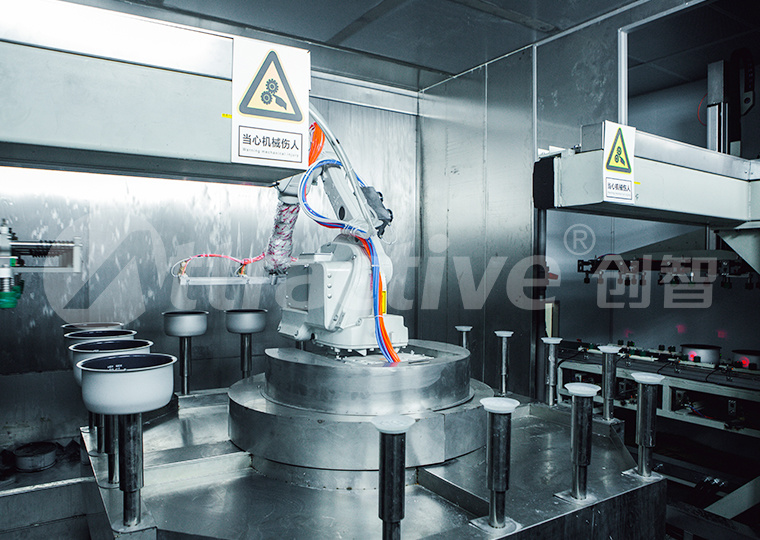
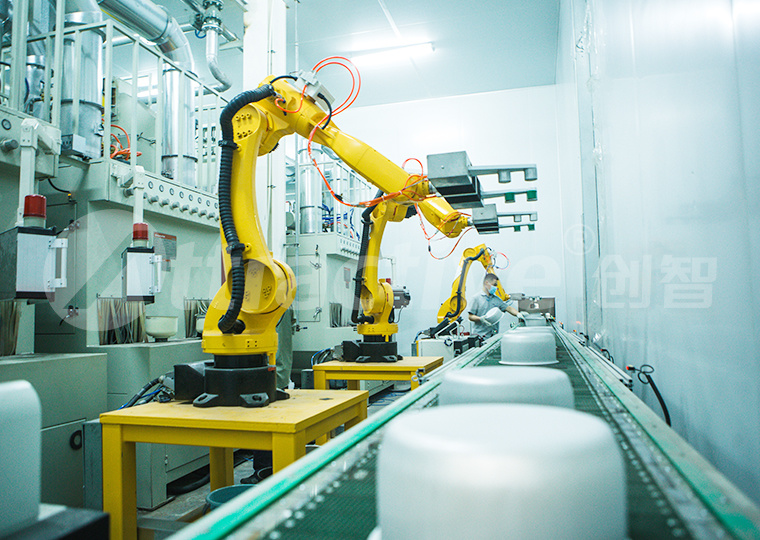
The machinery employed in non-stick pan coating line is designed for precision and efficiency. Key equipment includes:
- Spray Guns: For even application of coatings, ensuring consistency across surfaces.
- Ovens: For curing the applied coatings, which is essential for achieving the desired hardness and durability.
- Conveyor Systems: To streamline the movement of components through the coating process, enhancing productivity.
Understanding the function of each component allows manufacturers to optimize their coating operations effectively.
4. Advanced Techniques for Non-Stick Coating Application
The application of non-stick coatings involves various techniques that can significantly impact the quality of the final product. Some advanced techniques include:
- Electrostatic Spraying: This method utilizes electric charges to attract the coating material to the surface, resulting in an even layer with minimal overspray.
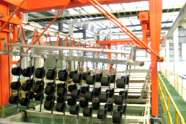
- Dip Coating: In this technique, components are submerged in a coating solution, allowing for even coverage, especially on complex shapes.
- Roll Coating: Ideal for large flat surfaces, this method provides a quick and efficient way to apply coatings.
By exploring these techniques, manufacturers can select the most suitable methods for their specific applications.
5. Benefits of Implementing Non-Stick Coating Solutions
The implementation of non-stick pan coating line comes with a multitude of benefits that can enhance both product quality and production efficiency.
5.1 Enhanced Product Durability and Quality
Non-stick coatings significantly improve the durability of components by providing a protective layer against wear and tear. This leads to longer product life and reduced maintenance costs. Additionally, these coatings can enhance the aesthetic appeal of products, making them more marketable.
5.2 Improved Process Efficiency and Cost Reduction
By minimizing material waste and reducing cleaning times, non-stick coatings contribute to improved operational efficiency. This results in lower production costs and higher output rates, allowing businesses to operate more competitively.
6. Challenges and Solutions in Non-Stick Coating Production
Despite the advantages of non-stick coating technologies, manufacturers may face several challenges, including:
- Adhesion Issues: Ensuring the coating adheres effectively to various substrates can be a common challenge. Implementing surface preparation techniques, such as cleaning and abrasion, can improve adhesion.
- Process Control: Maintaining consistent quality throughout the coating process requires precise control over variables such as temperature, humidity, and application speed. Utilizing automated systems can help in monitoring and controlling these factors.
Addressing these challenges is critical for maximizing the benefits of non-stick coatings.
7. Future Trends in Non-Stick Coating Technologies
As technology continues to advance, the future of non-stick coatings looks promising. Trends to watch include:
- Eco-Friendly Coating Solutions: There is a growing demand for sustainable materials in industrial applications. Non-toxic, environmentally friendly non-stick coatings are becoming increasingly available.
- Smart Coatings: The integration of sensors and smart technologies into coatings could allow for real-time monitoring of wear and performance, leading to more informed maintenance decisions.
Staying ahead of these trends can provide a competitive advantage in the market.
8. Conclusion
Advanced non-stick coating line solutions present a transformative opportunity for industries looking to enhance performance and efficiency. By understanding the key components, application techniques, and benefits of these coatings, manufacturers can significantly improve their production processes and product quality. As technology continues to evolve, embracing non-stick coating solutions will be crucial for staying competitive in an ever-changing industrial landscape.
9. FAQs about Non-Stick Coating Line Solutions
Q1: What are the main benefits of non-stick coatings?
A1: Non-stick coatings enhance product durability, reduce friction, lower energy consumption, and minimize cleaning time, leading to cost savings and improved product quality.
Q2: How do non-stick coatings affect energy efficiency?
A2: By reducing friction and preventing material build-up, non-stick coatings lower energy consumption during production processes.
Q3: What materials are commonly used for non-stick coatings?
A3: Common materials include PTFE, PFA, and FEP, each offering unique properties suitable for various industrial applications.
Q4: What are the common techniques for applying non-stick coatings?
A4: Electrostatic spraying, dip coating, and roll coating are common techniques used to apply non-stick coatings effectively.
Q5: How can adhesion issues be addressed in non-stick coating production?
A5: Ensuring proper surface preparation through cleaning and abrasion techniques can significantly improve adhesion of non-stick coatings.
By understanding these aspects of non-stick pan coating line solutions, your business can fully harness the potential of these advanced technologies to drive success and innovation in your industrial operations.


Contact Us
No.2 Yingbin Avenue, High-tech District, Zhaoqing City, Guangdong Province, China.
Online Message