Complete Coating Line Solutions from Design to Implementation
Author:
Chuangzhi Coating
In today's highly competitive manufacturing environment, investing in a new coating line or undertaking a major upgrade of an existing one is a complex systems engineering project fraught with technical and managerial challenges. The pain point for enterprises is often not a lack of individual equipment but how to seamlessly integrate disparate processes, equipment, control, and environmental requirements into an efficient, stable, and compliant complete production system. Therefore, choosing a partner capable of providing Complete Coating Line Solutions from Design to Implementation, rather than a simple assembler of equipment, has become the decisive factor for project success. This Turnkey Coating Project model consolidates responsibility for the entire project lifecycle with a single supplier possessing general contracting capabilities, providing clients with certainty, peace of mind, and long-term value assurance.
Phase 1: In-Depth Requirement Analysis & Conceptual Design – Laying the Foundation for Success
The starting point of any outstanding engineering project stems from a deep understanding of client needs. In this phase, a professional solution provider acts not merely as a receiver of specifications but as a consultant engaging deeply:
Process & Product Analysis: Jointly confirm substrate characteristics, target capacity, coating quality standards (e.g., film thickness, adhesion, appearance), coating types (water-based, solvent-based, powder), and possibilities for future product expansion.
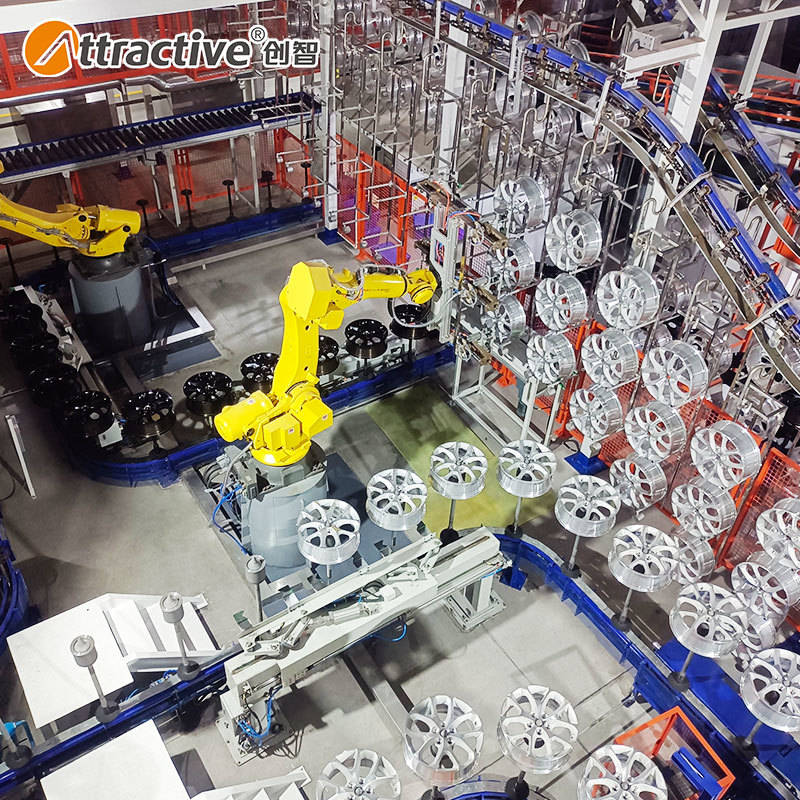
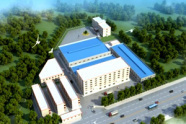
Layout & Flow Planning: Develop preliminary line layouts based on actual factory space and logistics flow, optimizing the movement path of workpieces from loading, pre-treatment, spraying, curing to unloading, eliminating bottlenecks.
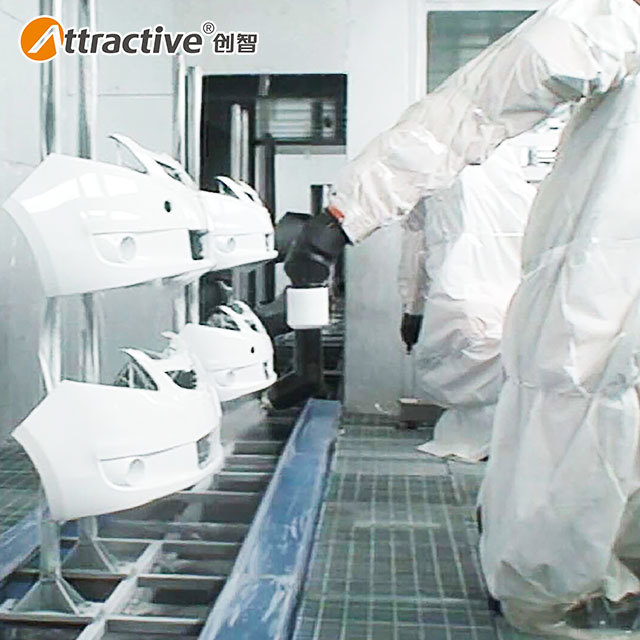
Technology Route Selection: Determine key process technologies (e.g., robotic spraying vs. automatic reciprocators, electrocoating vs. powder, RTO vs. RCO exhaust treatment) and conduct preliminary investment and operational cost analyses.
The deliverable of this phase is not a simple equipment list but a Project Conceptual Design Document containing process flow diagrams, preliminary layout drawings, technical specifications, and a budget framework, ensuring precise alignment between both parties on project objectives.
Phase 2: Detailed Engineering Design & Core Equipment Integration – Building the System Blueprint
Once the concept is approved, the project moves into the detailed engineering design phase. This is the critical process of transforming ideas into manufacturable, installable construction blueprints and a concentrated demonstration of the technical prowess behind an Integrated Coating System:
Mechanical & Electrical Design: Complete detailed design drawings for all non-standard equipment, conveyor systems, and structural platforms; design electrical schematics and control panel layouts encompassing all sensors, actuators, robots, and safety circuits.
Process Detailed Design: Precisely calculate spray booth airflow and pressure balance, oven heat balance and energy consumption, pipeline flow rates and pressures, ensuring every process detail is backed by scientific calculation and simulation.
Software & Control System Design: Plan the overall control system architecture from field PLCs and robot workstations to the central SCADA/MES monitoring layer, defining data acquisition points and human-machine interfaces.
In this stage, an experienced engineering team performs 3D dynamic simulations to identify and resolve potential issues like equipment interference or insufficient maintenance space in advance, minimizing on-site construction risks to the greatest extent.
All equipment undergoes modular manufacturing and Pre-Assembly Testing at the supplier's factory prior to shipment. This is the core quality assurance link within a Complete Coating Line Solution:
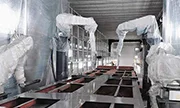
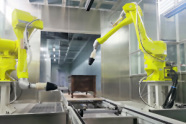
Key subsystems, such as robotic spray stations, control cabinets, and incinerators, are tested individually and in coordinated operation under simulated working conditions.
The client can witness and participate in the Factory Acceptance Test, verifying that equipment functions, process sequences, and control logic meet design requirements, resolving issues before shipment, which significantly reduces on-site commissioning time and uncertainty.
Phase 4: Professional Installation, Commissioning & Process Optimization – Realizing the Transformation from "Equipment" to "Production Line"
Upon the equipment's arrival at the client's factory, the project enters the intensive on-site implementation phase:
Systematic Installation & Construction Management: A professional project management team coordinates civil works and utility interfaces (water, electricity, gas), guides equipment positioning, piping, and cabling, ensuring construction quality and safety.
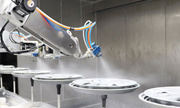
Systematic Commissioning & Process Parameter Setting: This is the technical core. Engineers will debug mechanical equipment, electrical controls, and safety interlocks step-by-step, culminating in Full-Line Integrated Test Runs. Utilizing professional expertise and databases, they set and optimize spray parameters, curing temperature profiles, etc., for the client's specific products and coatings, ensuring the production of the first qualified sample.
Performance Verification & Final Acceptance: After a period of stable operation, both parties will conduct a formal performance test against the contractual technical specifications, verifying key performance indicators like production capacity, first-pass yield, material utilization, and energy consumption, leading to final acceptance.
Phase 5: Comprehensive Training & Long-Term Support – Empowering the Client, Securing the Future
The delivery of a responsible project does not end at acceptance but when the client can operate the production line completely independently and efficiently. Therefore, a complete solution must include:
Multi-Level Training: Provide systematic training tailored to different roles—operators, maintenance engineers, process engineers—covering safety procedures, daily operation, troubleshooting, and process optimization.
Documentation Delivery: Provide complete technical drawings, operation manuals, preventive maintenance plans, and spare parts lists.
Long-Term Service & Upgrade Support: Establish a responsive after-sales service network offering preventive maintenance, spare parts supply, remote diagnostics, and, aligned with the client's evolving process needs, provide proposals for line upgrades and retrofits.
Conclusion
Choosing Complete Coating Line Solutions from Design to Implementation is, in essence, choosing predictable success and a long-term value partnership. It liberates the client from the complexities of multi-party coordination, technical interface risks, and uncertain outcomes, entrusting a professional team with turnkey capabilities to deliver a technologically advanced, performance-compliant, and operationally economical production line through a systematic, project-based approach. In today's manufacturing landscape moving towards intelligence and green production, this deeply integrated Turnkey Coating Project capability is not only the touchstone of a supplier's comprehensive strength but also the wise choice for manufacturing enterprises seeking sound investment and building core production capabilities. It ensures not just a one-time project delivery but also stable, productive output for years, even decades, to come.