


























Related News

16
2025
-
06
Exploring Precision: The Science Behind Robotic Electrostatic Spraying Lines
Author:
Chuangzhi Coating
1. Introduction to Robotic Electrostatic Spraying
Robotic electrostatic spraying lines have transformed the painting landscape in various industries, from automotive to aerospace. These advanced systems leverage technology to achieve unparalleled accuracy, efficiency, and consistency. By utilizing electrostatic principles, these systems allow for uniform coating applications, reducing waste and enhancing product quality.
2. What is Electrostatic Spraying?
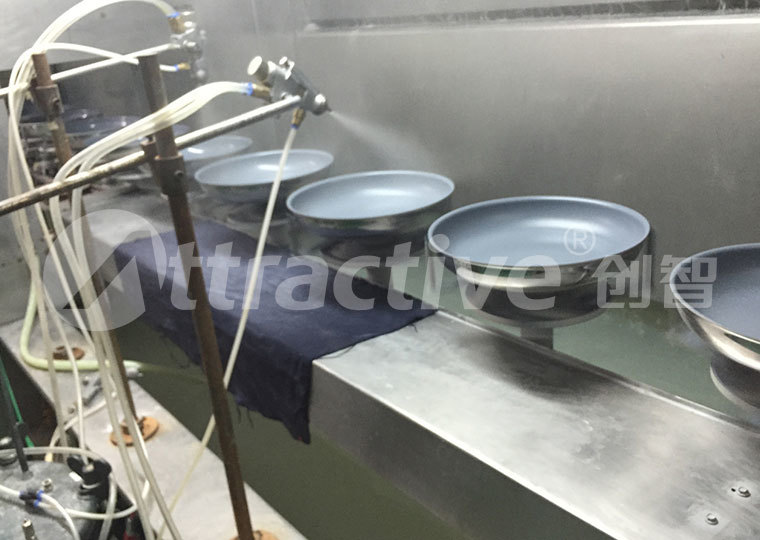
Electrostatic spraying is a technique where charged paint particles are attracted to a grounded surface, ensuring complete coverage and minimal overspray. This method provides several advantages over traditional spraying techniques, including reduced paint consumption and improved surface adherence. The process can be utilized for various coating materials, such as paint, powder coatings, and other liquid materials.
Understanding the Electrostatic Principle
The fundamental principle behind electrostatic spraying involves the use of an electric charge to facilitate the painting process. The spray gun imparts a positive or negative charge to the paint particles, while the target surface is grounded. This electrostatic attraction ensures that the paint particles are evenly distributed across the surface, leading to a high-quality finish with minimal waste.
3. Benefits of Robotic Electrostatic Spraying Lines
Utilizing robotic electrostatic spraying lines offers numerous advantages that significantly enhance production quality and efficiency.
Improved Coating Quality
Robotic systems ensure consistent application thickness and coverage, leading to a superior finish. The precision of robotic arms allows for intricate designs and complex geometries to be coated effectively.
Increased Efficiency and Productivity
Robotic lines can operate continuously, maximizing throughput while minimizing downtime. Their rapid application speeds mean that production schedules can be met more effectively, allowing companies to respond quickly to market demands.
Reduced Material Waste
The electrostatic process minimizes overspray and waste, making it an environmentally friendly choice. Companies can achieve significant savings in material costs while also reducing their ecological footprint.
Enhanced Workplace Safety
By automating the spraying process, robotic systems reduce the risks associated with manual painting, such as exposure to harmful chemicals and the potential for accidents. This improvement leads to a safer working environment for employees.
4. How Electrostatic Spraying Works
Understanding how robotic electrostatic spraying lines function involves examining the various steps and technologies employed in the process.
Preparation of Surfaces
Before spraying, surfaces must be properly prepared to ensure optimal adhesion. This preparation may include cleaning, sanding, or priming the surfaces to remove contaminants and create a suitable substrate.
Application Process
Once the surfaces are ready, the robotic arm equipped with an electrostatic spray gun begins applying the coating. The paint particles are charged and propelled towards the workpiece, where they adhere due to the electrostatic attraction.
Curing and Drying
Following application, the coated surfaces undergo a curing process, which may involve heat, UV light, or air drying. This step ensures that the paint adheres properly and achieves the desired finish characteristics.
5. Key Components of Robotic Spraying Systems
Robotic electrostatic spraying lines consist of several critical components that work together to achieve efficient and effective coating.
Robotic Arm
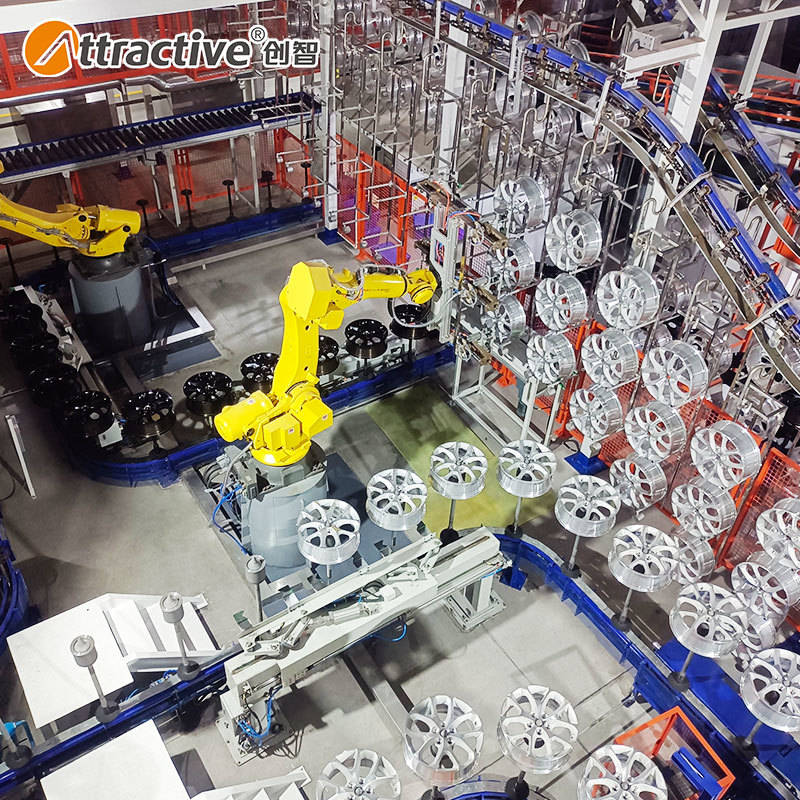
The robotic arm is the centerpiece of the system, equipped with advanced motion control to navigate complex geometries and apply coatings uniformly. Its precision and agility are crucial in achieving a high-quality finish.
Electrostatic Spray Gun
The spray gun is designed to charge paint particles, ensuring they are attracted to the workpiece. Various types of spray guns are available, each suited for different applications and materials.
Control Systems
Modern robotic systems incorporate sophisticated control systems that monitor and adjust parameters such as spray speed, distance, and application thickness in real-time. These controls enhance performance and optimize coating quality.
Material Supply Systems
Efficient material supply systems are essential for maintaining a continuous flow of paint to the spray gun, ensuring that the application process remains uninterrupted.
6. Applications in Various Industries
Robotic electrostatic spraying lines are versatile and find applications across multiple industries, each benefiting from the precision and efficiency they provide.
Automotive Industry
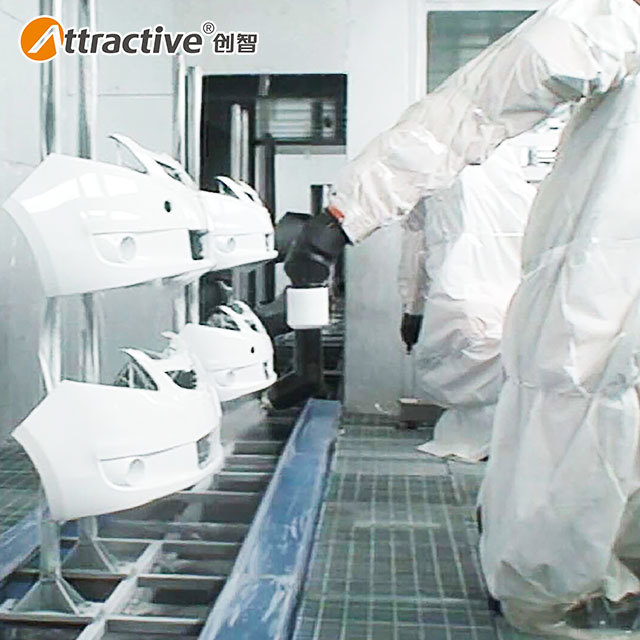
In automotive manufacturing, robotic spraying lines are employed to coat vehicles with paint and protective finishes. The ability to achieve smooth, even coatings is vital for aesthetics and durability.
Aerospace Sector
Aerospace components require coatings that can withstand extreme conditions. Robotic electrostatic spraying lines deliver high-quality finishes that meet stringent industry standards.
Consumer Goods Manufacturing
From furniture to appliances, consumer goods manufacturers utilize robotic spraying to enhance product appearance and durability. The ability to cater to various materials ensures flexibility in design and production.
Electronics Coating
Electronics manufacturers apply coatings that protect sensitive components from environmental factors. Robotic spraying lines provide the precision needed for these intricate applications.
7. Challenges and Solutions in Electrostatic Spraying
While robotic electrostatic spraying lines offer numerous benefits, they are not without challenges.
Initial Investment Costs
The upfront costs of implementing robotic systems can be significant. However, companies can typically recover these costs through increased efficiency and reduced material waste over time.
Maintenance Requirements
Robotic systems require regular maintenance to ensure optimal performance. Implementing a proactive maintenance schedule can mitigate downtime and enhance system longevity.
Training and Skills Development
Employees may require training to operate sophisticated robotic systems effectively. Investing in comprehensive training programs can empower staff and enhance overall production capabilities.

8. Future Trends in Coating Technology
The future of robotic electrostatic spraying lines is promising, with advancements expected to drive further innovation.
Integration of AI and Machine Learning
The integration of AI and machine learning in robotic systems will enable adaptive learning, allowing machines to optimize their spraying processes based on real-time feedback and historical performance data.
Environmentally Friendly Coating Solutions
As environmental regulations become stricter, the development of eco-friendly coating materials and processes will be essential. Robotic systems will likely evolve to accommodate these new materials without compromising efficiency.
Enhanced Customization
Future advancements may lead to increased customization capabilities, allowing manufacturers to tailor coating processes to specific product requirements on-the-fly, enhancing flexibility in production.
9. Frequently Asked Questions
What is the main advantage of robotic electrostatic spraying over traditional methods?
The primary advantage lies in the precision and efficiency of paint application. Robotic systems minimize waste through electrostatic attraction, ensuring a uniform finish and reducing overspray.
How does electrostatic spraying reduce material waste?
Electrostatic spraying uses charged particles that are attracted to the grounded surface, minimizing overspray and ensuring more paint adheres to the target area.
Can robotic electrostatic spraying be used for all types of paints?
While robotic electrostatic spraying is compatible with various coatings, it's essential to select the appropriate spray gun and settings based on the specific paint type.
What industries can benefit from robotic electrostatic spraying?
Robotic electrostatic spraying has applications in numerous industries, including automotive, aerospace, consumer goods, and electronics, each requiring high-quality finishes.
Are robotic systems expensive to maintain?
While the initial investment can be significant, ongoing maintenance costs are generally manageable and can be offset by increased productivity and reduced waste.
10. Conclusion
Robotic electrostatic spraying lines represent a significant advancement in industrial coating processes, offering unparalleled precision, efficiency, and quality. As industries continue to evolve, the integration of cutting-edge technology and environmentally friendly practices will further enhance the value of these systems. Embracing robotic electrostatic spraying can position manufacturers for success in a highly competitive market, driving innovation and ensuring high-quality results for years to come.


Contact Us
No.2 Yingbin Avenue, High-tech District, Zhaoqing City, Guangdong Province, China.
Online Message